Choosing the perfect cornice for your home requires careful consideration of designs, materials, and quality to ensure you make the right investment. This guide will walk you through the essential steps to compare cornice designs and find the best option for your needs.
Why Comparing Cornice Designs Matters
Cornices are more than decorative elements—they shape the aesthetics of your space and influence the overall vibe of your interior. Proper comparison ensures:
- You align the design with your home’s style.
- You get the best value for your budget.
- You avoid buyer’s remorse by making an informed decision.
Step 1: Define Your Style and Preferences
Begin by identifying the style of your home and the atmosphere you want to create. Ask yourself:
- Is my interior modern, traditional, or transitional?
- Do I want a bold statement piece or a subtle design?
- What role will the cornice play—decorative or functional?
Popular Cornice Styles
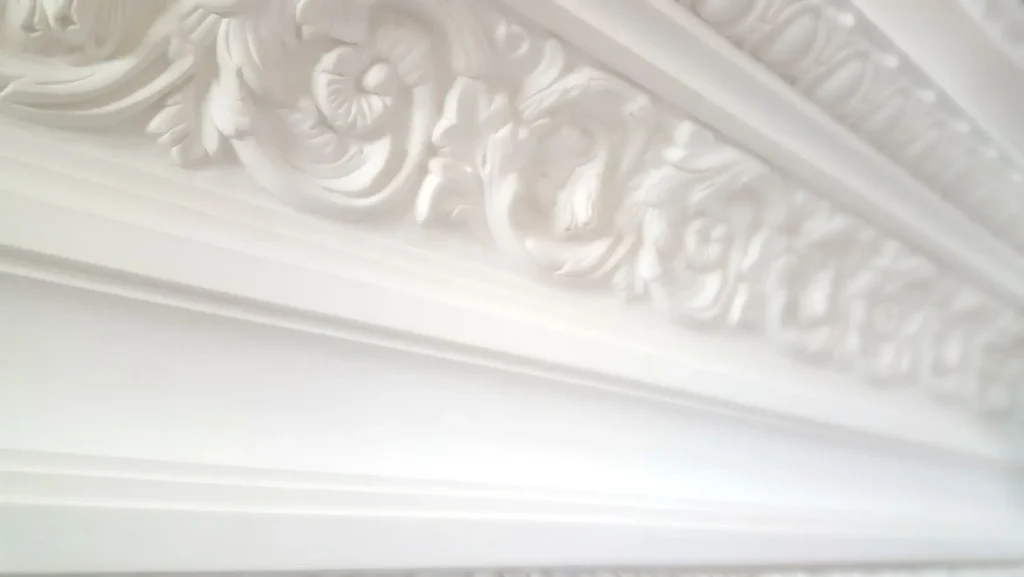
- Classic Ornate: Perfect for traditional homes, featuring intricate patterns.
- Minimalist Linear: Best for modern interiors, with sleek, simple lines.
- Transitional: A blend of traditional elegance and contemporary simplicity.
Step 2: Evaluate Materials and Durability
Cornices come in a variety of materials, each suited to different needs and budgets. Consider:
- Plaster: Durable and ideal for detailed designs but may be heavier.
- Polyurethane: Lightweight, affordable, and easy to install, offering versatility.
- Wood: Adds warmth and a natural touch but may require more maintenance.
Tip:
For humid environments, opt for polyurethane or moisture-resistant options to avoid warping or damage.
Step 3: Consider Room Dimensions and Cornice Size
The size of your cornice should be proportional to your room’s dimensions.
- In large rooms, opt for wide and detailed cornices to make a statement.
- In smaller rooms, choose narrow or subtle designs to avoid overwhelming the space.
Key Measurements:
- Ceiling height
- Room width and length
- Existing architectural elements
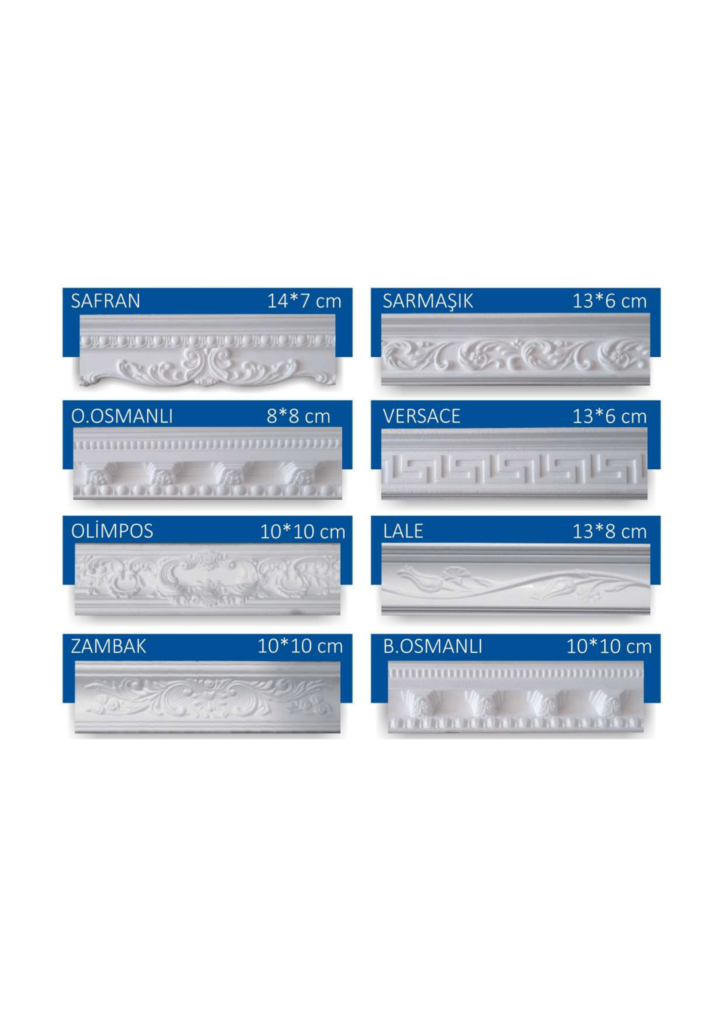
Step 4: Compare Design Details
When comparing designs, look for features that align with your preferences:
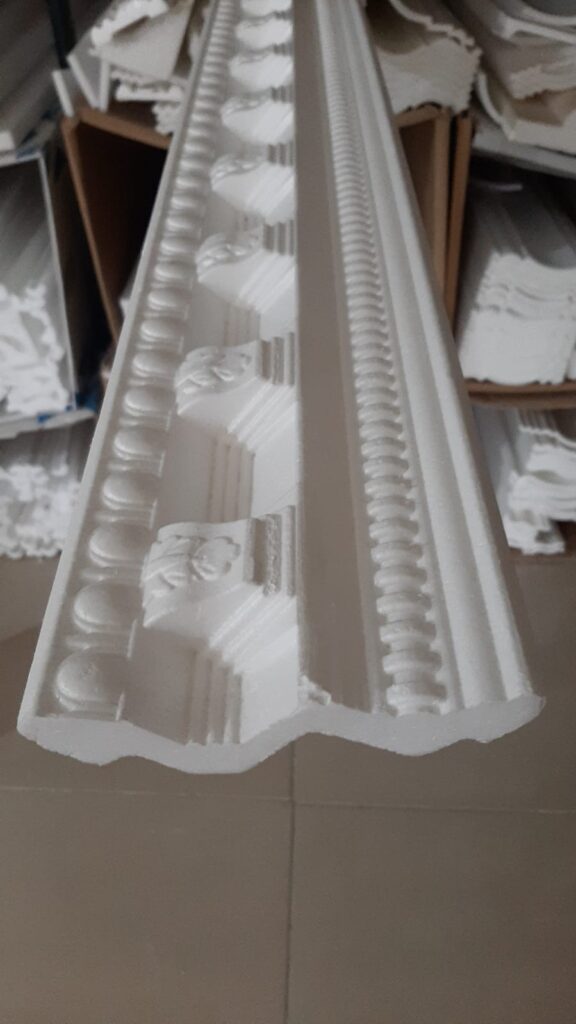
- Edge Details: Rounded, angular, or beveled finishes.
- Patterns: Intricate carvings for a dramatic effect versus plain designs for simplicity.
- Color Options: Neutral tones are versatile, but bold colors can create focal points.
Pro Tip:
Request physical or digital samples to visualize how the cornice will look in your space.
Step 5: Assess Costs and Supplier Reputation
Your chosen cornice should balance quality with affordability. To ensure the best purchase:
- Compare prices across multiple suppliers.
- Read customer reviews to evaluate product quality and service.
- Check for warranties or guarantees to safeguard your investment.
Budgeting Tip:
Don’t forget to factor in installation costs if you’re hiring a professional.
Step 6: Visualize Before Finalizing
Before making a final decision, visualize the design in your space. Many suppliers offer virtual mock-ups or design tools to help you see how the cornice will complement your room.
Call to Action
Looking for the perfect cornice that matches your style and budget? Explore our diverse collection of high-quality designs, crafted to suit every home. Contact our expert team today for personalized recommendations and assistance in making your decision!