Cornices are a popular design feature used to enhance the aesthetic appeal of ceilings and walls by creating a seamless transition between the two. While they add a touch of elegance and sophistication to a room, the cost of installing a cornice can vary greatly depending on several factors. In this blog, we’ll provide a detailed cost breakdown of cornices, explore whether they are expensive, and discuss affordable options for those looking to incorporate this decorative feature into their homes.
What Affects the Cost of Cornice Installation?
The price of cornice plaster or any other type of cornice is determined by a combination of factors, which can significantly influence the overall cost of installation. These factors include:
- Material Type
Cornices come in different materials, and the cost of each material varies. The most common types of cornices include plaster, polyurethane, polystyrene, and wood. Each of these materials has different properties and price points:- Plaster Cornices: Traditional plaster cornices are often more expensive due to the materials used and the craftsmanship required for installation. Plaster is heavier and more labor-intensive to install, which can drive up costs.
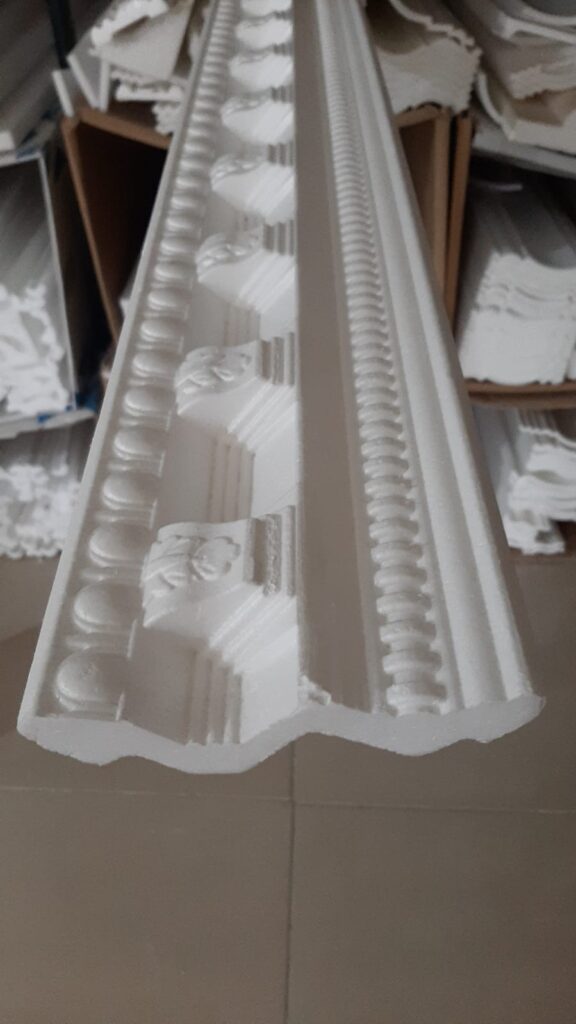
- Polyurethane Cornices: Polyurethane is a lighter, more affordable alternative to plaster. These cornices are easy to install, and their cost is generally lower than that of plaster, but they still offer a similar decorative finish.
- Polystyrene Cornices: Polystyrene cornices are one of the most affordable options. They are lightweight and easy to install, which helps keep labor costs down. However, they may not provide the same level of detail or durability as plaster or polyurethane.
- Wood Cornices: Wooden cornices are another option, especially for traditional or rustic homes. They can be more expensive than polyurethane and polystyrene options due to the cost of the wood material, but they may offer a higher-end look that some homeowners desire.
- Design Complexity
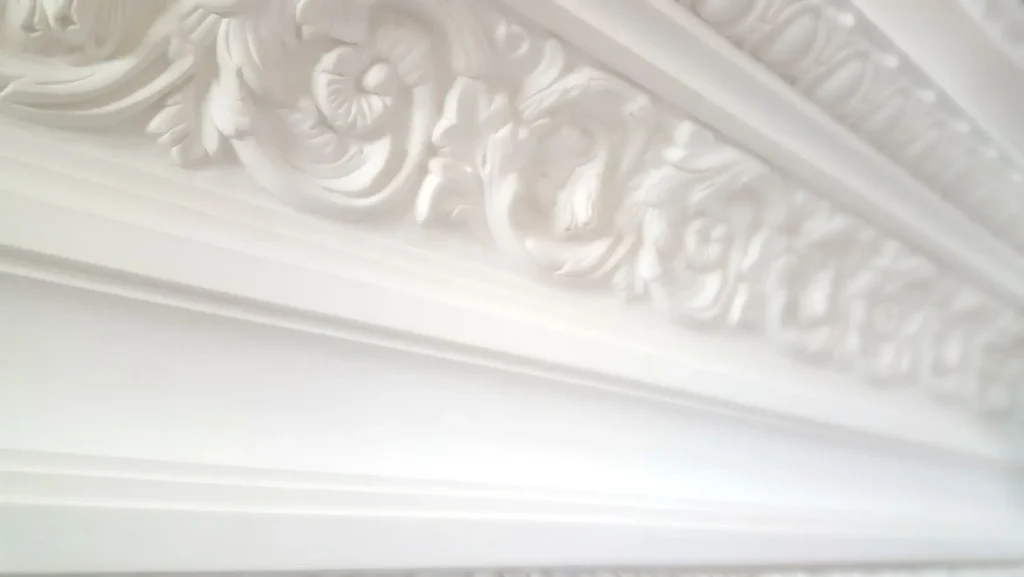
The complexity of the design also impacts the cost of the cornice. Simple, straight cornices are generally more affordable than intricate, detailed mouldings with floral motifs or other elaborate patterns. The more detailed the design, the higher the cost of both materials and labor. - Size of the Room
The larger the room or the more extensive the ceiling, the more cornice material you will need. If you are installing cornices in multiple rooms or along extensive wall areas, the cost of the materials and installation will increase accordingly. - Installation Labor Costs
Labor costs can also vary significantly depending on the complexity of the installation. For example, plaster cornices often require skilled craftsmen who are experienced in working with this material. This expertise can increase labor costs. On the other hand, lighter materials like polyurethane or polystyrene can be installed more easily, leading to lower labor costs. - Customization
Custom cornices, made to fit specific room dimensions or to match unique designs, will often come at a premium price. Standard, pre-made cornices are typically more affordable, but if you’re looking for a highly customized piece, be prepared for a higher cost.
Cost Breakdown for Different Types of Cornices
Here is a general cost breakdown for installing cornices in a standard 10×10 room. These prices are estimates and may vary depending on your location, the contractor you hire, and other factors.
- Plaster Cornices
- Material Cost: $3 to $8 per linear foot
- Installation Cost: $5 to $10 per linear foot
- Total Cost (for a room with 40 linear feet): $320 to $720
Plaster cornices are generally considered high-end due to their detail and craftsmanship. They provide a luxurious, timeless finish but can be quite costly both in terms of material and labor.
- Polyurethane Cornices
- Material Cost: $2 to $6 per linear foot
- Installation Cost: $3 to $6 per linear foot
- Total Cost (for a room with 40 linear feet): $200 to $480
Polyurethane cornices are a more affordable option than plaster, with a relatively quick installation process. They still offer an elegant finish without breaking the bank.
- Polystyrene Cornices
- Material Cost: $1 to $4 per linear foot
- Installation Cost: $2 to $4 per linear foot
- Total Cost (for a room with 40 linear feet): $120 to $320
Polystyrene cornices are the most budget-friendly option, offering a lightweight and easy-to-install alternative. However, they may lack the detail and durability of plaster or polyurethane options.
- Wood Cornices
- Material Cost: $4 to $10 per linear foot
- Installation Cost: $5 to $8 per linear foot
- Total Cost (for a room with 40 linear feet): $360 to $720
Wood cornices provide a natural, rustic look and are ideal for certain design aesthetics. They can be more expensive than polyurethane or polystyrene options due to the cost of the wood material.
Affordable Cornice Options for Your Budget
If you’re looking to install cornices but are concerned about the cost, there are several ways to make the process more affordable without compromising on quality or design.
- Consider Polystyrene or Polyurethane
While plaster cornices are elegant, they can be costly. Polystyrene and polyurethane options provide a similar aesthetic at a fraction of the cost. Both materials are lightweight, easy to install, and come in various styles, from simple designs to intricate patterns. Choosing these materials can save you money on both materials and labor. - Opt for Standard Designs
Custom cornices are expensive due to their unique nature and the extra work involved in their creation. If you’re on a budget, choosing pre-made cornices with standard designs can significantly reduce the overall cost. You can still find many attractive options in both traditional and modern styles without going for customization. - DIY Installation
If you’re confident in your DIY skills, consider installing the cornices yourself. Materials like polyurethane and polystyrene are easy to cut and fit, making them a good choice for DIY projects. While there is an upfront time investment, you can save considerably on labor costs. - Shop Around for Deals
Prices for cornices can vary widely between retailers and contractors. Take the time to compare prices from different suppliers, and look out for sales or discounts. Many home improvement stores also offer cornice products at lower prices, especially during promotional periods. - Mix and Match Materials
Another cost-saving strategy is to mix different materials. For example, you could use polystyrene or polyurethane for the majority of the cornice design and use plaster accents or highlights in more prominent areas. This approach allows you to enjoy the elegance of plaster while keeping costs manageable.
Conclusion
Cornices can be an expensive addition to a room, but there are many factors that influence their cost. Plaster cornices offer a luxurious finish but come at a higher price, while materials like polyurethane, polystyrene, and wood can be more affordable alternatives. By considering the material type, design complexity, and labor costs, you can make an informed decision that fits your budget. Whether you opt for high-end plaster or a budget-friendly polystyrene, cornices are a great way to elevate the look of your home without breaking the bank.