Cornices are more than just decorative moldings; they’re a subtle way to elevate your interior design and add a touch of sophistication. With a variety of styles, materials, and finishes available in 2025, cornices can transform a room from ordinary to extraordinary. Whether you’re aiming for classic elegance or modern chic, here are some inspiring ideas on how to use cornices to infuse artistic flair into your space.
1. Create a Focal Point with Intricate Cornices
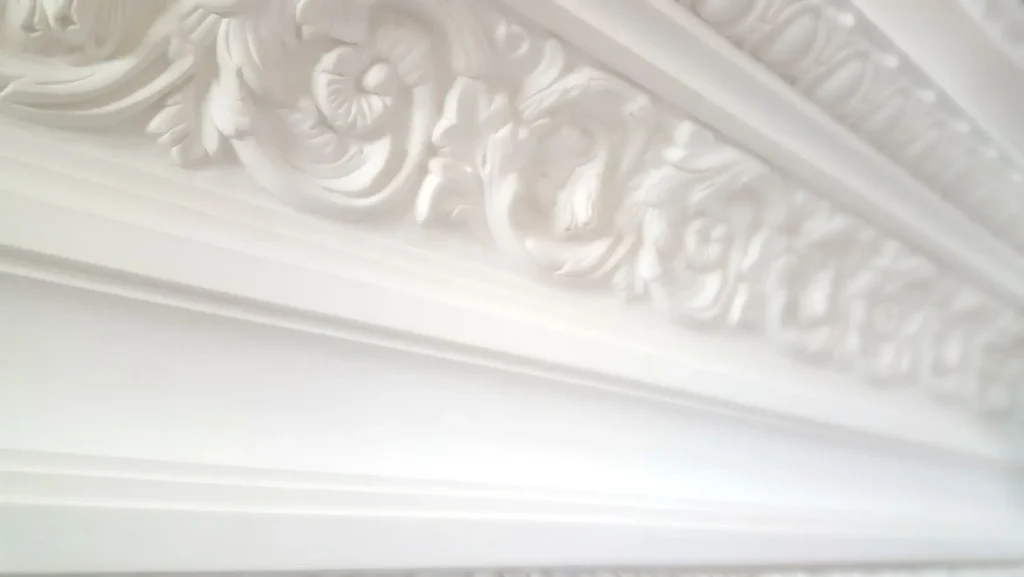
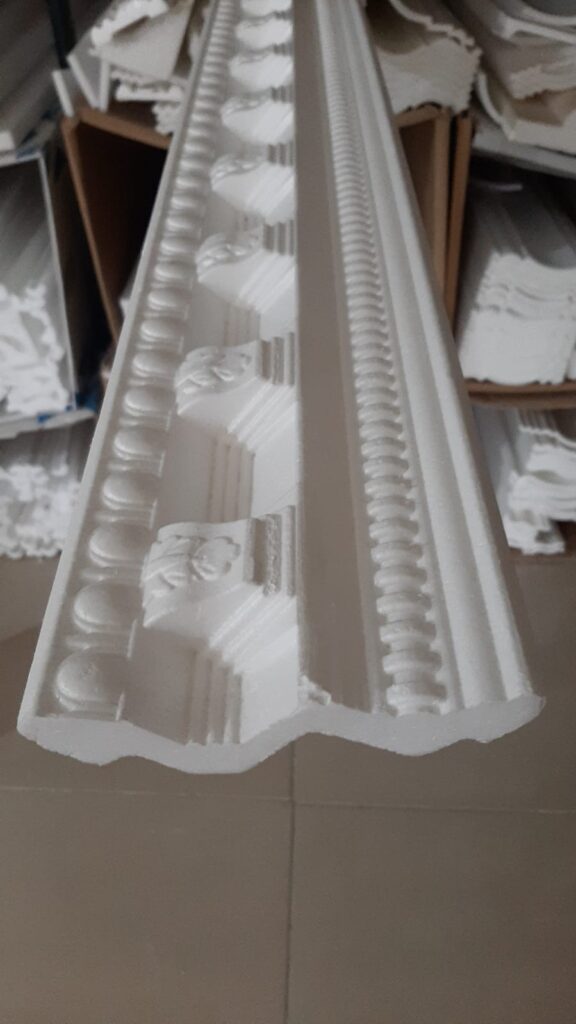
One of the easiest ways to add an artistic touch to your room is by using detailed and intricate cornices. Cornices with floral patterns, geometric designs, or even custom-made art features can become the focal point of your space.
- Where to Use: Ideal for living rooms, dining rooms, or bedrooms where the ceiling can be an area of focus.
- How to Incorporate: Choose bold designs in high-contrast colors to create a visual statement. For a more subtle look, opt for light colors and simple patterns to complement the overall design.
Example: A room with dark walls and a simple neutral-colored cornice can add a soft, artistic frame to the ceiling without overwhelming the space.
2. Integrate Lighting into Your Cornices
Cornices aren’t just for visual decoration; they can also be used to enhance the ambiance of your space with integrated lighting. LED lights can be mounted behind cornices to create a soft, glowing effect around the perimeter of the room.
- Where to Use: Hallways, living rooms, or kitchens, where ambient lighting can highlight features or artwork.
- How to Incorporate: Install LED strip lights behind the cornice to create an indirect lighting effect that highlights the ceiling and walls.
Example: A modern living room with a simple polyurethane cornice paired with hidden LED lighting will create a cozy, elegant atmosphere, perfect for both relaxation and entertainment.
3. Use Cornices to Highlight Architectural Features
If you have stunning architectural details in your home—like arches, vaulted ceilings, or exposed beams—cornices can help accentuate these features, drawing attention to their beauty.
- Where to Use: Above windows, doorways, or along the edges of an arched ceiling.
- How to Incorporate: Use curved or angular cornices to complement the shape of the room. Cornices with a subtle design can help highlight the architectural elements without overpowering them.
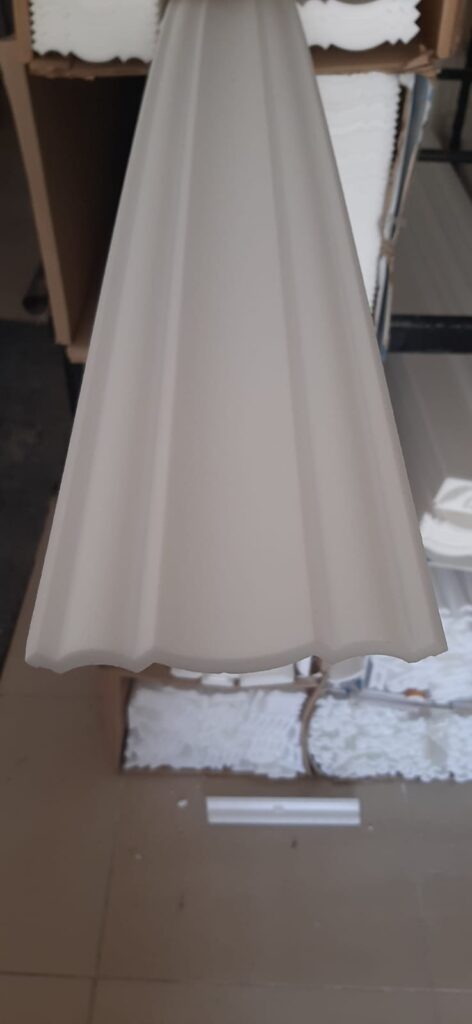
Example: If your space has a high vaulted ceiling, use plain white cornices that highlight the slope of the ceiling without taking away from the grandeur of the architecture.
4. Experiment with Contrasting Colors and Textures
Cornices provide an excellent opportunity to experiment with contrasting colors and textures. If you’re looking to add a modern twist, opt for a bold, colorful cornice that contrasts with the rest of the room’s decor.
- Where to Use: Any room that needs an unexpected pop of color—living rooms, home offices, or entryways.
- How to Incorporate: Consider using a different material for the cornices, such as wood or metal, for added texture. Alternativ
Example: In a minimalist white room, dark wood or matte black cornices can add an artistic contrast, creating a bold visual statement while maintaining a sleek and modern aesthetic.
5. Combine Cornices with Wall Art for a Gallery Effect
Another way to use cornices artistically is by incorporating them with wall art or framed photos. Cornices can be used to frame the space around your art pieces, creating a gallery-like effect that enhances the overall design.
- Where to Use: Around artwork or wall-mounted mirrors, creating a cohesive look.
- How to Incorporate: Install cornices above or below the artwork to frame it, just like you would use a picture frame. Opt for subtle cornices that don’t overpower the art, or bold designs that complement the artwork’s theme.
Example: A room with large framed artwork on the walls could benefit from cornices in a color that complements the artwork, adding a polished touch to the gallery wall.
6. Create a Vintage or Retro Look with Traditional Cornices
For those who love the charm of vintage or retro design, traditional cornices made from wood or plaster can add an old-world feel to a room. These cornices evoke the elegance of classic interiors while still being adaptable to contemporary homes.
- Where to Use: Traditional dining rooms, vintage-style living rooms, or study areas.
- How to Incorporate: Pair wooden cornices with antique furniture pieces and soft textiles like velvet curtains or rich upholstery. You can also use painted cornices to replicate the look of gilded edges found in classical palaces.
Example: A vintage-inspired living room featuring wood cornices with subtle gold accents can transform the space into a sophisticated, timeless environment.
7. Add Artistic Flair to Small Spaces
Even in smaller rooms, cornices can make a big impact. Use them to create the illusion of height or depth, or to enhance the room’s proportions with elegant detailing.
- Where to Use: Small living rooms, bedrooms, or bathrooms.
- How to Incorporate: In smaller spaces, choose lighter-colored cornices with simple designs to avoid making the room feel cramped. For height, use vertical cornices or designs that draw the eye upward.
Example: In a small bedroom, light-colored cornices that contrast with the ceiling color can make the space feel more open and airy, while intricate patterns can add artistic detail without overwhelming the room.
Conclusion
Cornices are not just a functional addition to your home; they’re an artistic tool that can dramatically change the look and feel of any room. By experimenting with different materials, colors, and designs, you can transform your space and infuse it with elegance, charm, and personality. From hidden lighting to intricate traditional designs, cornices offer endless possibilities for enhancing the aesthetics of your home.
Are you ready to add a touch of artistry to your space with cornices? Start exploring ideas that match your style and enjoy the artistic transformation!