When it comes to enhancing the aesthetics of your home, both cornices and plasterboards are popular options. However, each offers different advantages based on the style, function, and needs of the space. In this guide, we’ll compare cornices and plasterboards, helping you decide which is the best choice for your home décor.
What Are Cornices?
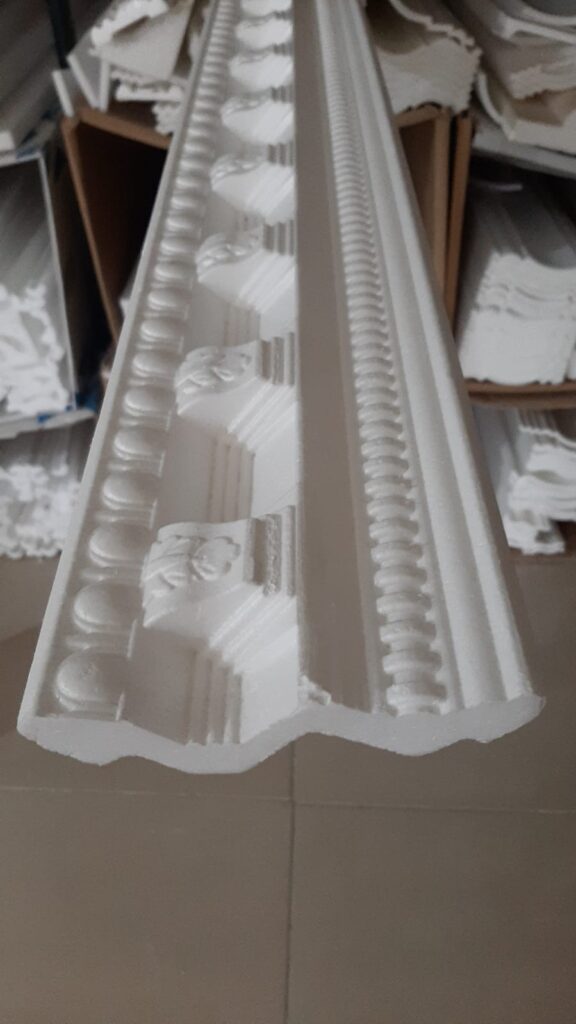
Cornices are decorative moldings that are installed where the wall meets the ceiling. They are typically made from materials like polyurethane, gypsum, or wood and come in various styles, from simple and modern to intricate and traditional.
- Materials: Polyurethane, gypsum, wood, or PVC.
- Function: Primarily used for decoration, concealing imperfections, and adding elegance to the room.
- Installation: Often applied directly to the ceiling or walls using adhesive or nails.
What Are Plasterboards?
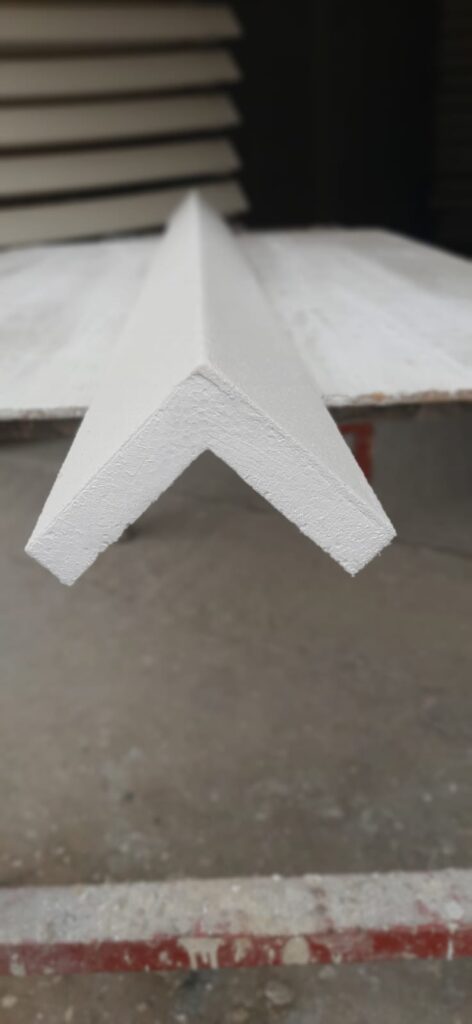
Plasterboards (also known as drywall or gypsum boards) are large panels used to cover interior walls and ceilings. They provide a smooth surface that can be painted or finished with wallpaper. Plasterboards are commonly used in new construction or renovation projects to create smooth, even surfaces.
- Materials: Gypsum plasterboard (drywall).
- Function: Used to create smooth surfaces for ceilings and walls, often as a base for further decoration.
- Installation: Installed in large panels, typically screwed or nailed into the wall studs or ceiling joists.
Cornice vs. Plasterboard
- Aesthetic Appeal
- Cornices: They add an instant touch of elegance and style. Perfect for creating a polished look and offering a sense of grandeur, especially in living rooms, dining rooms, or hallways. Cornices are ideal for both traditional and modern interiors, depending on the design.
- Plasterboard: While plasterboards can be finished to a smooth surface, they are not inherently decorative. They provide a functional base for decoration, often requiring additional elements (like paint or wallpaper) to achieve a finished aesthetic look.
- Functionality
- Cornices: Primarily decorative, cornices enhance the visual appeal of a room by providing a clean transition between the wall and ceiling. They can also help conceal imperfections, such as gaps, cracks, or wiring.
- Plasterboard: Plasterboards serve a structural function by covering large areas of walls and ceilings. They provide a smooth surface for further decoration, insulation, and soundproofing. Plasterboards can also hide plumbing, electrical wires, or HVAC systems within walls and ceilings.
- Ease of Installation
- Cornices: Relatively easy to install, especially for lightweight materials like polyurethane or PVC. However, more intricate designs in materials like gypsum or wood may require professional installation. Installation typically involves cutting, measuring, and gluing or nailing the cornices in place.
- Plasterboard: Installation requires more preparation and can be more labor-intensive. Plasterboards need to be measured, cut, and secured to the studs or joists of the ceiling or wall. For ceilings, it may also require the use of special tools and techniques to ensure proper support.
- Durability and Maintenance
- Cornices: Generally durable, especially for materials like polyurethane or wood, though they may need touch-ups if damaged. Wood cornices require periodic maintenance to prevent wear and tear.
- Plasterboard: Quite durable for everyday use, though plasterboard can be prone to dents or cracks if struck. It’s easier to repair than cornices, but it may need to be repainted or refinished after damage.
- Price Comparison
- Cornices: The cost of cornices varies based on material and design. Lightweight options like PVC are more affordable, while premium materials like wood or intricate gypsum designs can be more expensive. On average, cornices range from $5 to $50 per meter depending on material and complexity.
- Plasterboard: Plasterboards are generally more affordable when used to cover large surfaces, costing between $10 to $30 per panel. However, the overall price will depend on the size of the room, installation complexity, and additional materials like joint compound or tape.
Which One is More Suitable for You?
- For Budget-Friendly Decor
- Cornices: PVC or polyurethane cornices are affordable yet provide an elegant finish. These options are ideal if you want to enhance the ceiling without breaking the bank.
- Plasterboard: If you need to cover large surface areas, plasterboard may be a cost-effective option. It’s perfect for creating a smooth, clean surface for further decoration.
- For High-End, Detailed Designs
- Cornices: For those aiming for a luxurious or classical look, wood or intricate gypsum cornices are excellent choices. These materials can add a high-end touch to formal spaces.
- Plasterboard: If you want a modern, minimalist look, plasterboard provides a clean slate for sleek, contemporary finishes.
- For Practical, Multi-Functional Spaces
- Cornices: While cornices add beauty, they may not be necessary in rooms where functionality and storage are more important, such as kitchens or bathrooms.
- Plasterboard: Ideal for creating walls and ceilings that conceal electrical wiring, pipes, or other installations, plasterboard is perfect for both aesthetic and practical purposes in areas such as bedrooms, offices, and bathrooms.
- For DIY Projects
- Cornices: Lighter materials like PVC cornices are easier to install yourself. They require less skill and can be a rewarding DIY project for adding a touch of style to your home.
- Plasterboard: DIY plasterboard installation requires more skill and tools, especially for ceilings. It’s better suited for larger projects and may require professional assistance for a flawless finish.
Conclusion
Both cornices and plasterboards serve unique purposes in home decoration. If you want a decorative touch with minimal effort, cornices are the ideal choice. On the other hand, if you need to cover large areas, create a smooth surface, or install functional elements behind the walls or ceiling, plasterboard is your go-to option.
Ultimately, your decision will depend on your budget, the complexity of the space, and the aesthetic you want to achieve. Consider combining both elements in different parts of the room to create a balanced, functional, and beautiful design.