Cornice plaster is a versatile and decorative material commonly used to create ornamental mouldings at the junction of walls and ceilings. Originating in ancient architectural styles, cornice plaster continues to play a significant role in modern interior design, offering both aesthetic beauty and functional benefits. In this blog, we’ll explore the key features of cornice plaster, its uses, and how it can enhance the look of your home.
What Is Cornice Plaster?
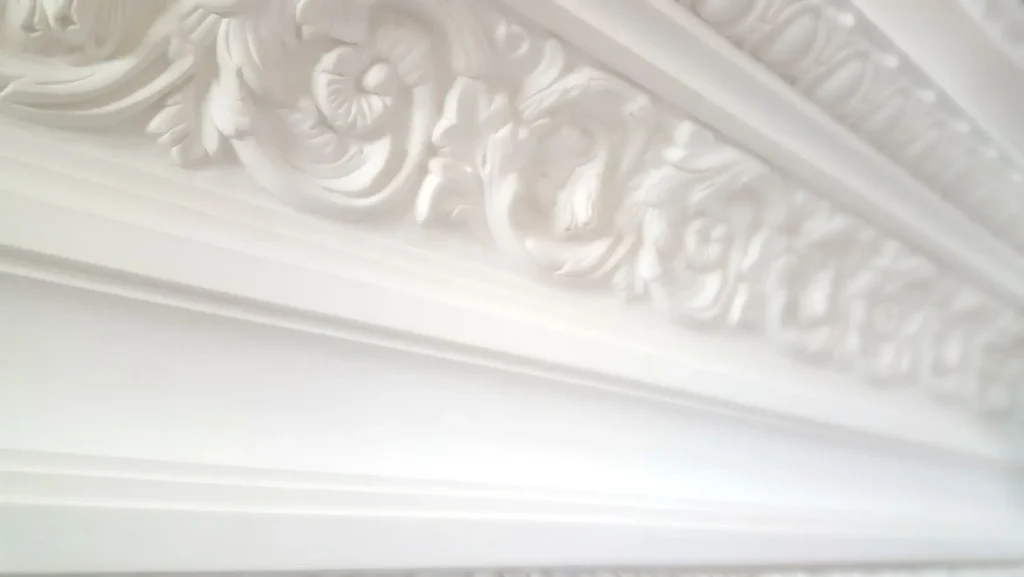
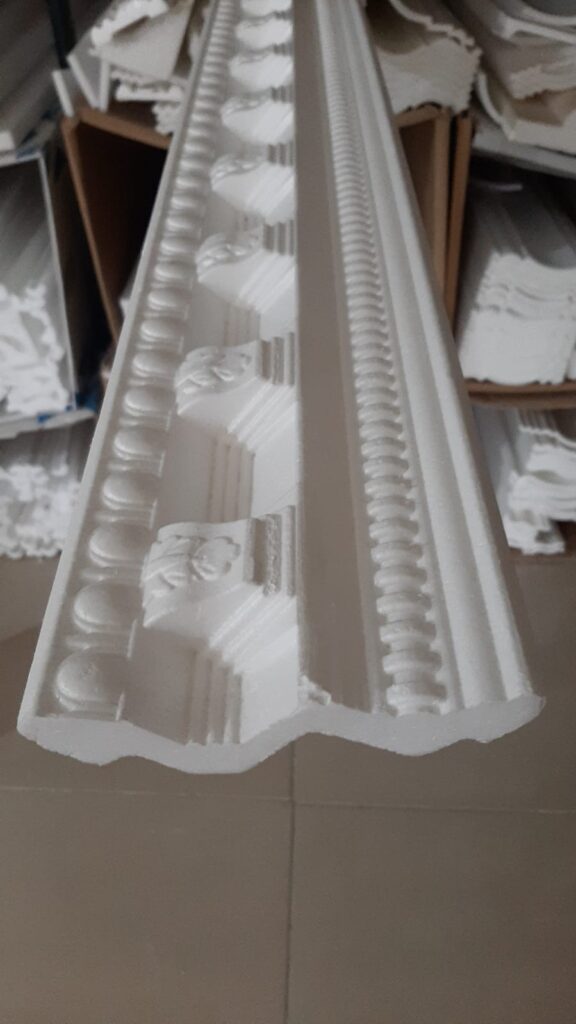
Cornice plaster is a type of decorative plaster that is typically applied to the upper edges of walls and ceilings, where the two meet. It serves both as a design element and a way to hide imperfections where the wall and ceiling connect. Cornices come in various shapes and sizes, from simple, straight lines to intricate, sculptural designs featuring florals, motifs, or geometric patterns. Cornice plaster is often used in conjunction with other materials like wood, polyurethane, or fiberglass for enhanced durability and aesthetic appeal.
Cornice plaster is traditionally made from a mixture of gypsum, lime, and sand, but modern versions can also include synthetic materials like polystyrene or polyurethane, which are lighter and easier to work with. The use of plaster allows for intricate detailing, making it ideal for creating high-end decorative finishes in residential and commercial spaces.
Key Features of Cornice Plaster
- Decorative Versatility
Cornice plaster offers a wide range of design options, making it suitable for both traditional and contemporary interiors. You can choose from a variety of finishes, including smooth, textured, or patterned. Intricate designs featuring motifs such as leaves, flowers, or scrollwork can add sophistication to any room, while more modern, simple designs provide a clean and minimalist look. - Durability
While lighter materials such as polyurethane or polystyrene cornices are increasingly popular, cornice plaster is a durable option known for its long-lasting qualities. When applied correctly, plaster cornices can stand the test of time, offering not only beauty but also structural integrity. It’s a great choice for adding classic appeal to a room that will maintain its charm for years. - Customization
One of the greatest benefits of using cornice plaster is the ability to customize it to suit the specific needs and design preferences of a space. Cornices can be made to fit any room size, from compact areas to expansive ceilings. They can also be molded into different shapes, allowing for more flexibility in terms of style. Custom plaster cornices can be crafted to match any architectural theme or personal style, from sleek modern lines to classical, opulent curves. - Seamless Integration
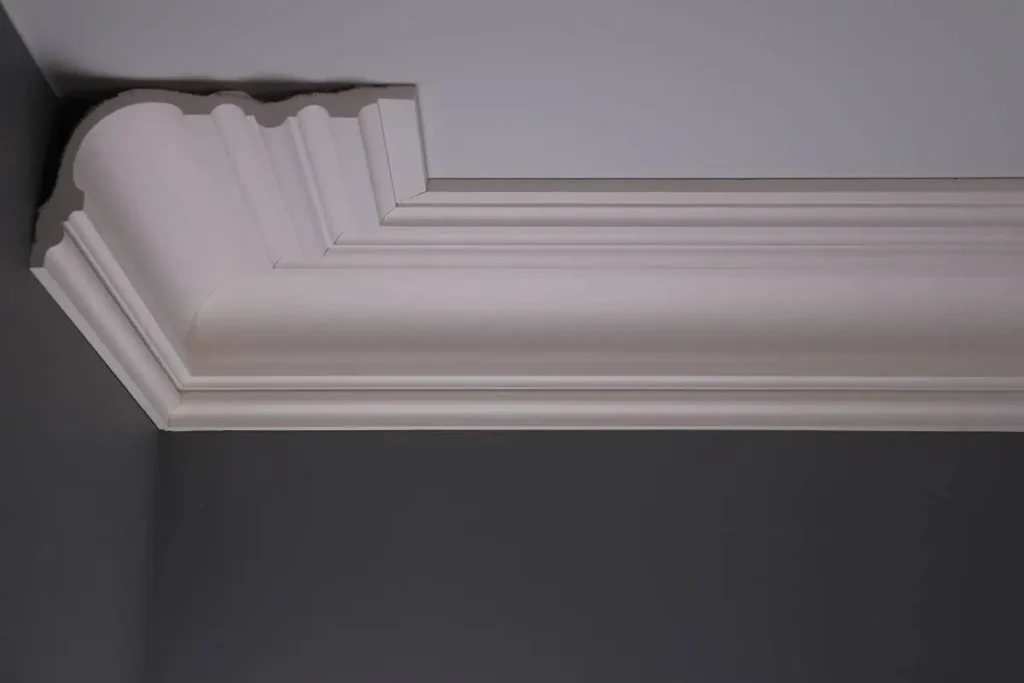
Cornice plaster creates a seamless transition between the walls and ceiling, helping to hide any gaps or imperfections where the two meet. It can make a room appear more cohesive, especially when the ceiling is not perfectly level. Cornice plaster also hides unsightly joints between the wall and ceiling, making it a practical and aesthetic solution for homes with uneven surfaces. - Lightweight and Easy to Handle (for Some Varieties)
While traditional cornice plaster can be heavy and require skilled labor for installation, modern plaster-based options are lighter and easier to install. Some versions, like lightweight cornices made of polyurethane, have the same detailed look as traditional plaster but with a fraction of the weight, making them easier to handle and install.
Common Uses of Cornice Plaster
- Ceiling and Wall Decoration
The primary use of cornice plaster is to create decorative borders at the junction of walls and ceilings. Cornice plaster can transform a plain room into a luxurious space by adding depth, texture, and detail. In both residential and commercial settings, cornices can create an air of elegance, whether in a classic living room, a sophisticated dining area, or an ornate hall. - Hiding Imperfections
In older homes or buildings with uneven walls and ceilings, cornice plaster serves as an excellent way to conceal imperfections. Gaps, cracks, and joints where the wall meets the ceiling can be disguised with a beautifully moulded cornice, providing a smooth, continuous look that enhances the overall aesthetics. - Architectural Focal Points
Cornice plaster can also act as a focal point in a room. Larger, more intricate cornices or those combined with other design elements like recessed lighting can draw the eye and become a feature of the room. For example, a coffered cornice plaster ceiling can create a stunning visual effect, adding a sense of grandeur to the space. - Lighting Integration
A common trend in modern cornice designs is to integrate lighting into the plaster moulding. Plaster cornices can house recessed lighting or LED strips to provide indirect lighting. This adds ambiance to the room while keeping the light source discreet. It’s a popular feature in living rooms, bedrooms, and hallways where a soft, glowing effect is desired. - Enhancing Traditional or Period Interiors
In homes with traditional, period, or Victorian-style interiors, cornice plaster is an essential element in maintaining authenticity. Intricate plaster cornices are synonymous with historic homes and can be found in period rooms such as parlors, formal dining rooms, and ballrooms. For those restoring or renovating an older home, cornice plaster is crucial in preserving the charm and elegance of the original design. - Commercial Spaces
Cornice plaster is not only popular in residential homes but also in commercial spaces like hotels, offices, theaters, and museums. In these settings, cornice plaster helps create a luxurious and refined environment, enhancing the interior architecture. For example, cornices in a hotel lobby or theatre space can add a touch of glamour, contributing to the overall ambiance of the space.
Benefits of Using Cornice Plaster
- Timeless Elegance
The use of plaster in cornices offers a timeless appeal. Whether you’re decorating a traditional home or incorporating classical design elements into a modern room, cornice plaster adds an elegant touch that never goes out of style. The intricate detailing of plaster cornices can bring a sense of grandeur, making the room feel more spacious and sophisticated. - Improved Room Aesthetics
Cornice plaster can elevate the overall look of a room, making it feel more complete and polished. Whether you’re working with a high-ceilinged space or a smaller room, cornices provide a polished look that enhances the design of the room. In spaces where architectural features are limited, cornice plaster can be used to add dimension and interest. - Customizable and Unique
Because cornice plaster can be molded into virtually any design, it provides endless opportunities for customization. This allows homeowners, designers, and architects to create a unique look tailored to the specific room or building style. From minimalist and modern to ornate and classical, there’s a cornice plaster design for every taste and need. - Increased Property Value
For homeowners considering a renovation or restoration, installing cornice plaster can increase the property value. Adding intricate, decorative features to a home—especially in the living room, dining area, or entryway—can boost the visual appeal of the property and make it more attractive to potential buyers.
Conclusion
Cornice plaster is an invaluable design feature for anyone looking to enhance the aesthetics and functionality of their space. With its ability to conceal imperfections, add character, and elevate the overall design, it is a choice material for homeowners and designers alike. Whether you’re aiming for traditional opulence, modern elegance, or a blend of both, cornice plaster offers a flexible, customizable solution for every interior design need.