Cornice ceilings can bring a sense of grandeur and sophistication to any room, enhancing the aesthetic appeal of both modern and traditional interiors. Whether you’re looking to add elegance to your living room or a decorative touch to your bedroom, cornice ceilings can make a significant impact. In this blog, we’ll explore various cornice ceiling design ideas and provide a step-by-step guide for their installation.
What is a Cornice Ceiling?
A cornice ceiling refers to a decorative moulding or architectural feature placed at the junction where the ceiling meets the walls. Traditionally made from plaster, cornice ceilings were often used in royal or high-society homes to signify wealth and luxury. Today, cornice ceilings are available in a wide range of materials, designs, and finishes, offering a stylish way to enhance the look of any room.
While a traditional cornice typically focuses on decorative moulding around the perimeter of a room, a cornice ceiling can also include more elaborate designs like recessed lighting, curved edges, or multi-layered finishes. Whether used to create a more classic or modern vibe, cornice ceilings are a versatile and timeless design feature.
Design Ideas for Cornice Ceilings
- Traditional Ornate Designs
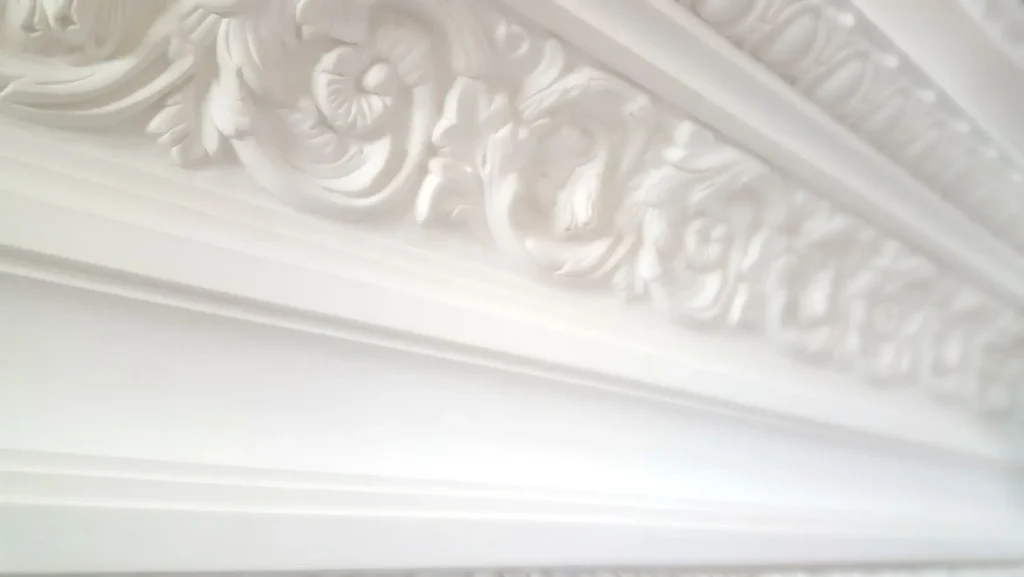
For a more classical look, ornate cornice ceilings are ideal. These designs often feature intricate details such as floral motifs, acanthus leaves, or baroque patterns. Ideal for spaces like living rooms, dining rooms, and entryways, traditional cornice ceilings can transform a simple room into a stately space. Use these in rooms with high ceilings to add a sense of proportion and elegance. - Modern Minimalist Cornice Ceiling
If you prefer a more contemporary look, opt for a simple, modern cornice ceiling design. Instead of the elaborate carvings and flourishes of traditional styles, modern cornices often focus on clean lines and geometric shapes. Flat, thin cornices in neutral tones like white, beige, or gray can create a chic, understated look that complements minimalist décor. These work particularly well in rooms with modern furniture and open-plan spaces. - Cove Cornice Ceiling
Cove cornice ceilings are an excellent choice for a smooth, seamless transition between the walls and ceiling. With their soft, rounded curves, cove designs can make a room feel more inviting and spacious. They are especially effective in smaller rooms or rooms with low ceilings, as they create the illusion of height. Cove cornices can be made from plaster, polyurethane, or polystyrene, making them suitable for a wide variety of budgets and room styles. - Coffered Cornice Ceiling
Coffered ceilings are a sophisticated choice for larger spaces such as dining rooms or foyers. This style features recessed panels in the ceiling, creating a grid-like appearance. The cornice moulding around each panel enhances the design by adding depth and dimension. Coffered cornice ceilings add a sense of luxury and are ideal for making a dramatic statement in a grand space. - Coved Cornice with Integrated Lighting
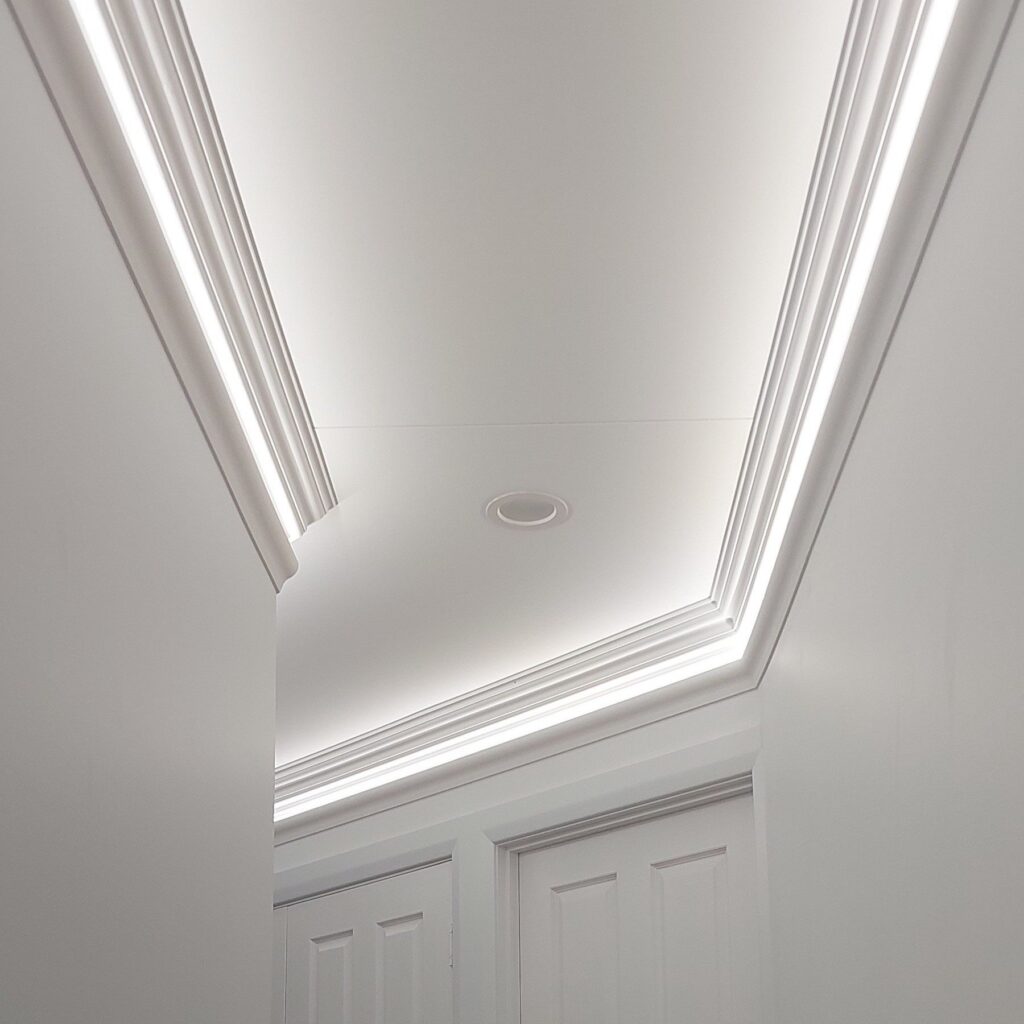
One of the most modern trends in cornice ceiling designs is integrating lighting within the cornice itself. This can be achieved by installing LED strips within the cornice moulding, which illuminates the room in a subtle, ambient way. The lighting can be positioned to shine upwards to create an atmospheric glow or downwards for a more focused effect. This design works especially well in living rooms, bedrooms, and home theaters, where the lighting can enhance the overall ambiance. - Circular or Arched Cornice Ceilings
For a unique touch, consider installing circular or arched cornice designs, especially in rooms with rounded walls or higher ceilings. These designs can add a sense of drama and elegance, breaking up the straight lines of traditional walls and ceilings. Circular cornice ceilings are great for creating a focal point in the room, drawing the eye toward the center. - Dual-Layered Cornice Ceiling
For a truly opulent look, consider a dual-layered cornice ceiling. This design features two layers of cornice moulding, one above the other, creating depth and texture. This is a fantastic choice for larger spaces or rooms where you want to make a bold design statement. The layers can be made from different materials, such as a plaster base with a polyurethane overlay, to create an interesting contrast.
Materials for Cornice Ceilings
The material you choose for your cornice ceiling will affect both the look and durability of the feature. Here are some of the most popular materials used for cornice ceilings:
- Plaster
Plaster is the traditional material for cornice ceilings and offers a high-end, luxurious finish. It can be molded into intricate, detailed designs and is durable, making it suitable for long-term use. Plaster cornices are ideal for period homes and spaces where authenticity is essential. However, plaster can be heavy and may require professional installation. - Polyurethane and Polystyrene
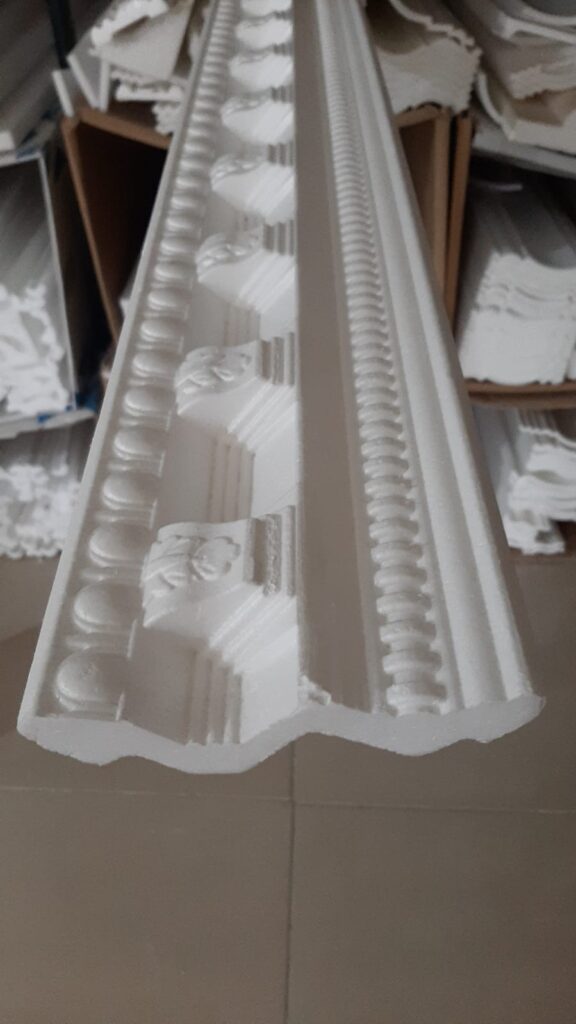
These lightweight materials are more affordable than plaster and are easier to install. Polyurethane and polystyrene cornices come in a variety of designs, including cove, modern, and ornate styles. They are also resistant to moisture, making them suitable for bathrooms and kitchens. These materials are a great option for DIY enthusiasts or anyone working within a budget. - Wood
Wooden cornices can offer a warm, natural look that works well in both rustic and contemporary settings. They are often used in farmhouse-style homes or in spaces where natural materials are a focal point. Wooden cornices can be stained or painted to match the room’s color scheme, adding a personalized touch. - Fiberglass
Fiberglass cornices are highly durable and resistant to moisture, making them an excellent choice for kitchens, bathrooms, and other areas exposed to humidity. Fiberglass is also lightweight and easier to install compared to traditional plaster cornices.
Step-by-Step Guide to Installing Cornice Ceilings
- Measure and Plan
Before you begin installing cornice ceilings, carefully measure the dimensions of the room and determine how much cornice material you’ll need. Measure the perimeter of the room and plan where each piece of the cornice will be installed. It’s important to account for corners and joints in your measurements. - Prepare the Surface
Ensure that the ceiling and wall surfaces are clean, dry, and smooth before installation. Remove any dust, dirt, or old wallpaper. If the surfaces are uneven, use filler or plaster to smooth them out before installing the cornice. - Cut the Cornice to Size
Using a miter saw or handsaw, cut the cornice moulding to the correct lengths. You’ll need to cut the pieces at 45-degree angles to fit neatly into the corners of the room. If you’re working with a flexible cornice, you can use a sharp utility knife for more precise cutting. - Apply Adhesive
For lightweight materials like polystyrene or polyurethane, you can use strong adhesive to fix the cornice in place. For plaster or heavy cornices, you may need to use nails or screws for additional support. Apply the adhesive evenly to the back of the cornice. - Install the Cornice
Start by placing the first section of cornice in one corner of the room. Press it firmly against the wall and ceiling, ensuring it is aligned correctly. Continue this process around the room, ensuring each piece fits snugly against the next. Use a level to ensure the cornice is straight. - Finish and Paint
Once the cornice is in place, fill any gaps between the cornice and the wall with filler. Smooth the filler with a damp cloth and allow it to dry. Once dry, sand the filler smooth and apply paint or a finish to the cornice to match the room’s décor.
Conclusion
Cornice ceilings are a timeless design feature that can significantly elevate the aesthetic of any room. From traditional ornate designs to modern minimalist styles, cornice ceilings can add character, charm, and sophistication to your home. By selecting the right design, material, and installation method, you can create a seamless transition between your walls and ceiling, transforming your space into an elegant and polished environment. Whether you choose to go for a grand, coffered look or a subtle, modern finish, cornice ceilings are a versatile and beautiful addition to any interior.