Cornice coving is a decorative architectural feature that adds a refined touch to interiors by providing a smooth transition between the ceiling and walls. Often used in both traditional and modern designs, cornice coving enhances the look of a room, creating an elegant and polished appearance. But what exactly is cornice coving, and where can you use it? In this blog, we will explore the definition of cornice coving, its various styles, and the ideal spaces where it can be used to make the most significant impact.
What Is Cornice Coving?
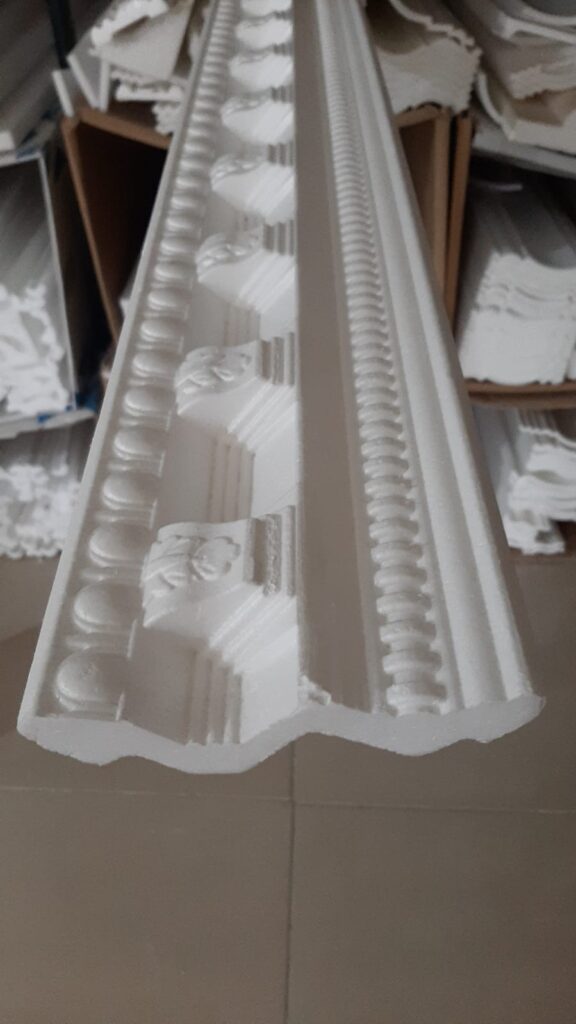
Cornice coving refers to a type of moulding applied along the junction where the ceiling meets the walls. It is typically made from materials such as plaster, polyurethane, or polystyrene, and it can come in a variety of shapes and sizes. The main purpose of cornice coving is to conceal the gap between the ceiling and the walls, creating a seamless transition. In addition to this practical function, cornice coving also serves as a decorative element that can elevate the aesthetic appeal of any room.
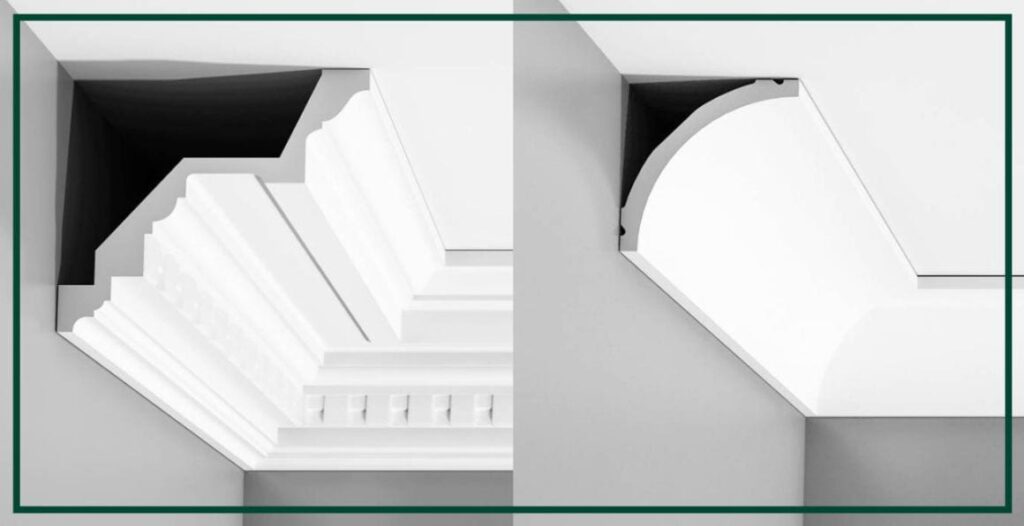
The term “cornice” is often used interchangeably with “coving,” but there are subtle differences. While cornices tend to have a more decorative or ornamental appearance, coving is generally simpler and more subtle, often designed with rounded or curved profiles. However, both cornice and coving serve a similar function and can be used interchangeably in many cases.
Types of Cornice Coving
Cornice coving comes in several different styles, each suited to a specific interior design. Some of the most popular types include:
- Coved Coving
Coved coving is one of the most common types and is characterized by smooth, rounded curves that form a soft, seamless transition between the wall and ceiling. This style is ideal for creating a clean, simple look and works well in both modern and traditional spaces. Coved coving is especially suitable for smaller rooms, as it can help create a sense of height and openness. - Plain or Simple Coving
Plain coving is often used in contemporary designs and offers a minimalist aesthetic. It has straight, angular lines without much decoration, making it a subtle and elegant choice for modern interiors. This type of coving works well in spaces where simplicity and understated design are prioritized. - Ornate or Decorative Coving
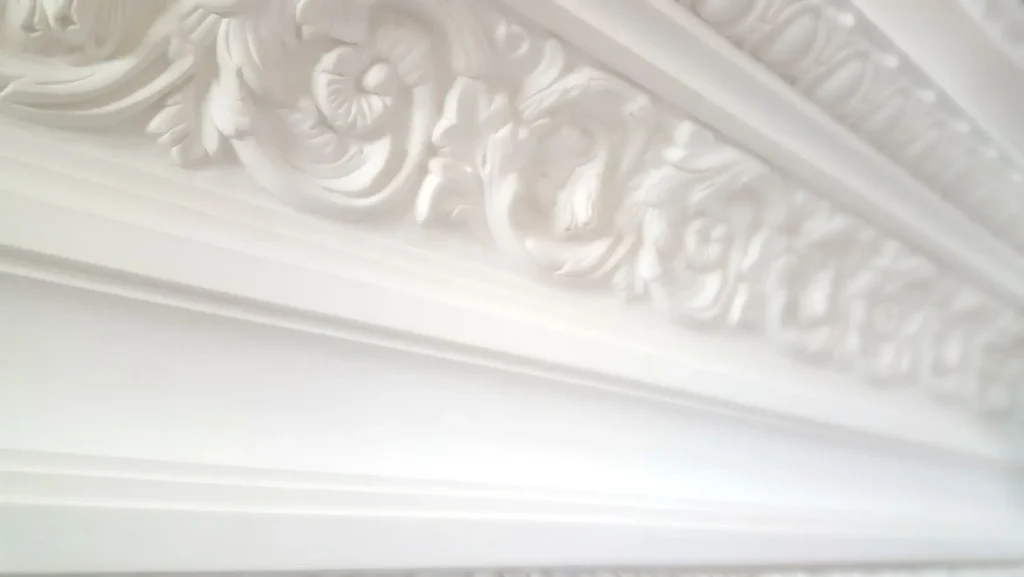
Ornate coving features intricate patterns, floral motifs, or geometric designs. These styles are commonly found in period homes or historical buildings and add a sense of grandeur and elegance to a room. Ornate coving can be used in larger rooms to create a more formal, regal appearance. - Modern or Contemporary Coving
Modern coving designs often include sharp, clean lines, minimal ornamentation, and angular profiles. This type of coving is ideal for contemporary spaces and can complement modern furniture and décor. It creates a fresh, streamlined look that adds sophistication without overwhelming the space. - Flexible Coving
Flexible coving is designed to be used in rooms with curved walls or irregular shapes. Made from flexible materials like rubber or vinyl, flexible coving can bend and adapt to the contours of the walls, providing a smooth, consistent finish in spaces that do not have traditional straight walls. It’s especially useful in older homes or buildings with non-standard architectural features.
Where to Use Cornice Coving
Cornice coving can be used in various rooms throughout the home to enhance both the aesthetic and functional qualities of the space. Below are some of the best places to install cornice coving:
- Living Room
The living room is one of the most common places where cornice coving is used. Whether you’re aiming for a classical look with ornate coving or a modern, minimalist design, coving adds elegance and charm to the room. It works particularly well in spaces with high ceilings, as it can help balance proportions and visually lower the ceiling, creating a more intimate atmosphere. - Dining Room
In dining rooms, cornice coving can add sophistication and grandeur, especially when paired with traditional or vintage furnishings. Ornate coving with intricate patterns is often seen in more formal dining areas, helping to create a refined, opulent atmosphere. In more contemporary dining rooms, simple or coved coving can provide a subtle touch of style. - Hallways and Entryways
Hallways and entryways are prime locations for installing cornice coving, as they often serve as the first impression of the home. Cornice coving in these areas helps create a welcoming and polished appearance, especially in high-traffic areas that may otherwise feel plain or unadorned. A well-chosen coving design can set the tone for the rest of the home’s interior décor. - Bedrooms
In bedrooms, cornice coving adds a touch of elegance and serenity, making the room feel more refined and calming. Simple, rounded coving can soften the lines of the room and provide a cozy, comfortable atmosphere. For more luxurious bedrooms, ornate or decorative coving can add a regal quality, especially when paired with opulent furnishings like chandeliers and antique furniture. - Bathrooms
Although not as commonly used in bathrooms as in other rooms, cornice coving can be an excellent addition in spaces with high ceilings or large windows. In bathrooms, it can create a sense of continuity between the walls and ceiling and prevent the room from feeling too stark or modern. It is particularly effective in vintage-style bathrooms or those designed with a classic aesthetic in mind. - Kitchens
Cornice coving can be used in kitchens to create a smooth, clean transition between the walls and the ceiling. While it’s typically a more subtle feature in kitchens, it can add an elegant touch without being overly decorative. Modern kitchens with sleek finishes can benefit from simple, angular coving, while more traditional kitchen designs may look best with ornate coving. - Offices and Commercial Spaces
Cornice coving isn’t limited to residential spaces—commercial and office spaces can also benefit from the elegance and refinement it provides. Coving helps create a professional, polished look in meeting rooms, lobbies, and hallways, offering a clean, organized aesthetic.
Benefits of Using Cornice Coving
- Aesthetic Appeal
Cornice coving instantly adds a touch of elegance to any room. It can elevate the design of a space, making it feel more polished and sophisticated. - Concealing Imperfections
Coving can hide any imperfections or gaps between the ceiling and walls, giving the room a more seamless and uniform appearance. - Improved Room Proportions
In rooms with high ceilings, cornice coving can help visually lower the ceiling, creating a more balanced and comfortable environment. It also works well in rooms with uneven or curved walls. - Adds Value to the Property
Installing cornice coving is a relatively inexpensive way to add value to a property. It enhances the interior design and can make a home more attractive to potential buyers.
Conclusion
Cornice coving is a versatile and timeless feature that can enhance the beauty and elegance of any room. Whether you choose simple coved coving for a modern feel or ornate, intricate designs for a more traditional or vintage aesthetic, cornice coving provides a seamless transition between the walls and ceiling, improving the overall look of your space. From living rooms and dining rooms to bathrooms and offices, cornice coving is a functional yet stylish addition that can be used in any part of the home. When carefully chosen and installed, it can transform your interiors into a visually appealing and cohesive design.