When looking to enhance the aesthetic appeal of your space, cornice plaster is an excellent option. Whether you’re renovating a classic home or adding a sophisticated touch to a modern room, cornice plaster can elevate your interiors. However, with various styles, materials, and suppliers available, choosing the best cornice plaster for your project can be overwhelming. This blog will guide you through the key factors to consider when purchasing cornice plaster and help you make an informed decision.
What is Cornice Plaster?
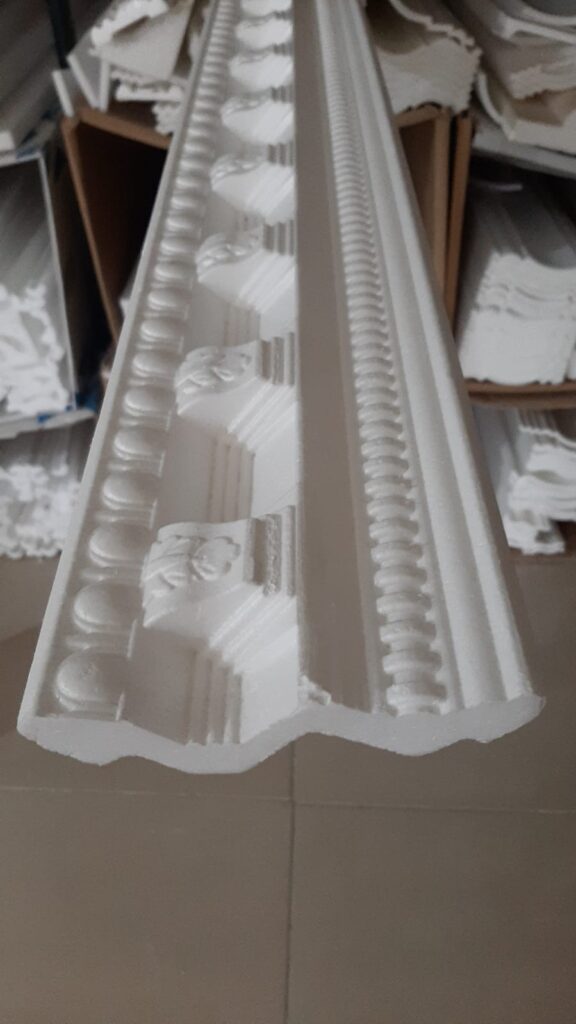
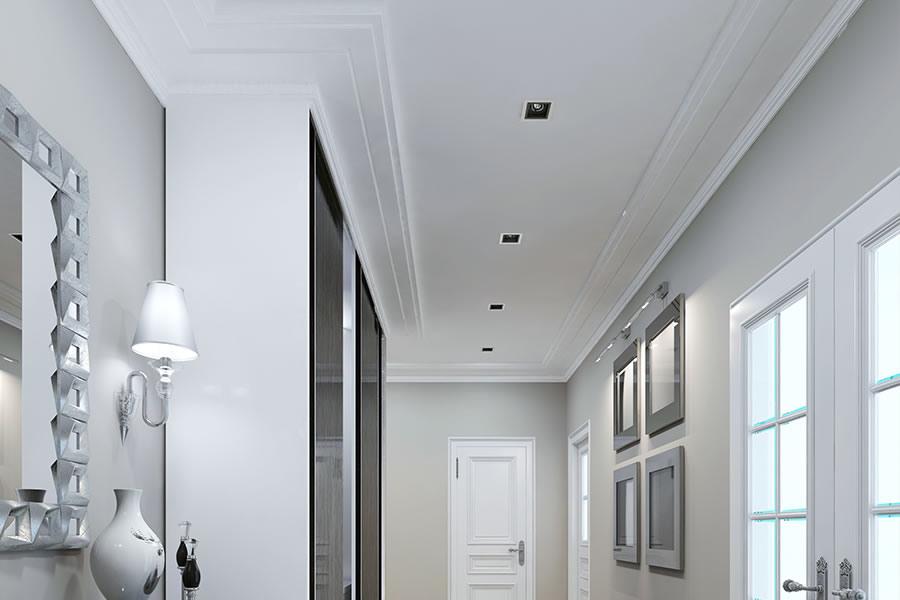
Cornice plaster refers to decorative moulding used at the junction where the ceiling meets the wall. Typically made from plaster or gypsum, these cornices are used to create an elegant transition between surfaces, add a stylish finish, and improve the overall aesthetic of the room. Cornices come in various designs, from simple curves to intricate, ornate patterns, and are available in different materials, making them suitable for various interior styles.
Factors to Consider When Choosing Cornice Plaster
- Material Type
The material of the cornice plaster plays a significant role in its durability, appearance, and price. Some common materials include:
- Traditional Plaster: Made from gypsum, lime, and other elements, traditional plaster cornices are durable and offer a high-end, classic appearance. They are perfect for period-style homes and spaces where authenticity and longevity are important.
- Polyurethane or Polystyrene: These lightweight materials are more affordable than plaster and are easier to install. They come in a wide range of designs and are ideal for budget-conscious homeowners or those looking for quicker installation.
- Fiberglass: This material is more resistant to moisture and offers a strong, long-lasting finish. It’s a good option for areas with high humidity, such as kitchens and bathrooms.
Choose the material based on your budget, the room’s conditions (such as moisture levels), and the desired look.
- Design and Style
Cornice plaster comes in a wide variety of designs, from simple and contemporary to elaborate and classical. The design you choose should complement the overall style of your room. Here are some popular styles:
- Coved Cornices: These are smooth, rounded cornices that create a gentle curve between the ceiling and the wall. They’re perfect for modern, minimalist interiors or smaller rooms where a softer finish is needed.
- Victorian or Edwardian Cornices: These ornate designs feature intricate detailing such as floral patterns, acanthus leaves, and scrollwork. They’re ideal for homes with traditional or vintage décor.
- Modern Cornices: For a contemporary look, opt for sleek, angular designs with simple lines. These cornices offer a more understated elegance and work well in modern interiors.
Select a design that matches the existing décor of your space and aligns with the room’s intended feel.
- Size and Scale
Cornice plaster should be scaled appropriately to the size of your room. In larger rooms with high ceilings, more substantial cornices with bold designs can create a striking visual effect. Conversely, in smaller rooms, simpler and thinner cornices are more suitable, as large, intricate mouldings may overpower the space. Measure the perimeter of the room and calculate the length of cornice required to ensure you buy enough material. - Ease of Installation
The installation process of cornice plaster can vary based on the material and design. Traditional plaster cornices require skilled labor for installation, as the plaster must be mixed, molded, and applied on-site. This is a more time-consuming and expensive option.
On the other hand, materials like polyurethane and polystyrene are lighter and easier to handle, making them suitable for DIY installation. If you’re planning to install the cornices yourself, look for lightweight options that are pre-molded and ready to be attached. These materials often come with adhesive backing, making the process much easier.
- Cost and Budget
Cost is a critical factor when purchasing cornice plaster. Traditional plaster can be expensive due to the material costs and labor required for installation. More affordable options, such as polyurethane and polystyrene, may be better suited for homeowners working within a budget.
Consider the overall size of the room and the complexity of the design when calculating the total cost of materials and installation. Always get quotes from multiple suppliers to ensure you’re getting the best deal for your project.
- Supplier Reputation
When purchasing cornice plaster, it’s essential to choose a reputable supplier that offers high-quality materials. Do your research and read reviews from other customers to ensure the supplier provides reliable, durable products. Look for companies with a proven track record in the industry and those that can offer expert advice if you need guidance during your purchasing process.
Additionally, some suppliers offer online stores where you can browse different designs, materials, and price points, making it easy to find the best option for your needs.
- Delivery and Installation Services
Many suppliers offer delivery services, which can be especially helpful for larger orders. Check whether the supplier offers delivery to your area and if there are any additional shipping costs. Some suppliers also provide installation services or can recommend experienced installers to assist with the project. This can be valuable if you’re not familiar with the installation process or if you want to ensure the cornices are professionally installed. - Warranty and After-Sales Support
When purchasing cornice plaster, it’s wise to choose a supplier that offers warranties on their products. A warranty ensures that the plaster will be free from defects and that it will maintain its integrity over time. Additionally, check for after-sales support in case you need advice, assistance with installation, or have any issues with the product after purchase.
How to Buy Cornice Plaster for Sale
- Research Suppliers: Start by researching suppliers in your area or online who specialize in plaster cornices. Look for customer reviews and testimonials to ensure they provide quality products.
- Compare Prices: Get quotes from multiple suppliers to compare prices for materials and installation costs. Keep your budget in mind and choose an option that offers the best value for money.
- Consider Customization: If you have a specific design in mind, consider suppliers who offer custom cornice plaster options. This allows you to create a unique look tailored to your space.
- Ask for Samples: Before committing to a purchase, ask for samples to get a feel for the material, texture, and finish. This helps ensure that the cornices you choose will match your expectations.
Conclusion
Choosing the best cornice plaster for your home involves careful consideration of factors such as material, design, size, and cost. Whether you’re looking for a traditional, ornate design or a simple, modern style, the right cornice plaster can significantly enhance the look of your space. By evaluating different options and researching suppliers, you can find the perfect cornice plaster that fits both your aesthetic preferences and your budget. Don’t forget to plan for installation, either by opting for a DIY-friendly material or hiring professionals for a flawless finish.