Plaster cornice mouldings are an elegant and versatile design element used to enhance the appearance of ceilings and walls. These mouldings, typically found in classic and traditional interior designs, have been a popular feature in homes and commercial spaces for centuries. Made from plaster or gypsum, they come in various styles and offer numerous benefits, making them a valuable addition to any room. In this blog, we’ll explore the different types of plaster cornice mouldings and the benefits they bring to a space.
Types of Plaster Cornice Mouldings
- Coved Cornices
Coved cornices are one of the most common types of plaster mouldings. These cornices are characterized by smooth, rounded curves that create a gentle transition between the ceiling and wall. The absence of sharp edges gives coved cornices a soft, subtle look, making them ideal for smaller spaces or rooms with modern, minimalist décor. They are also perfect for creating a clean and seamless flow between surfaces. - Edwardian Cornices
Inspired by the Edwardian era (1901-1910), these cornices are a blend of ornate detailing and elegant simplicity. Edwardian plaster cornices often feature geometric patterns, floral motifs, and straight lines, adding a refined yet understated charm to a room. These cornices are well-suited for traditional or period-style homes where elegance and sophistication are paramount. - Victorian Cornices
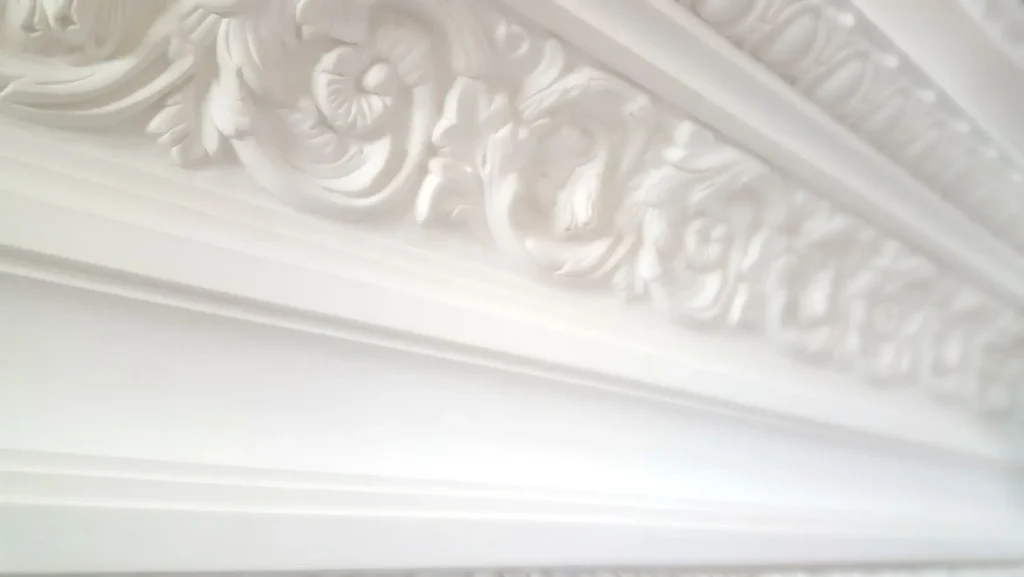
Victorian plaster cornices are highly decorative and often include intricate detailing, such as acanthus leaves, flowers, and other elaborate designs. These cornices are ideal for rooms that demand a more luxurious and grandiose look, such as formal living rooms, dining rooms, and entrance halls. The Victorian style has remained a popular choice in heritage and historical homes, as it brings a sense of old-world charm and opulence. - Classical Cornices
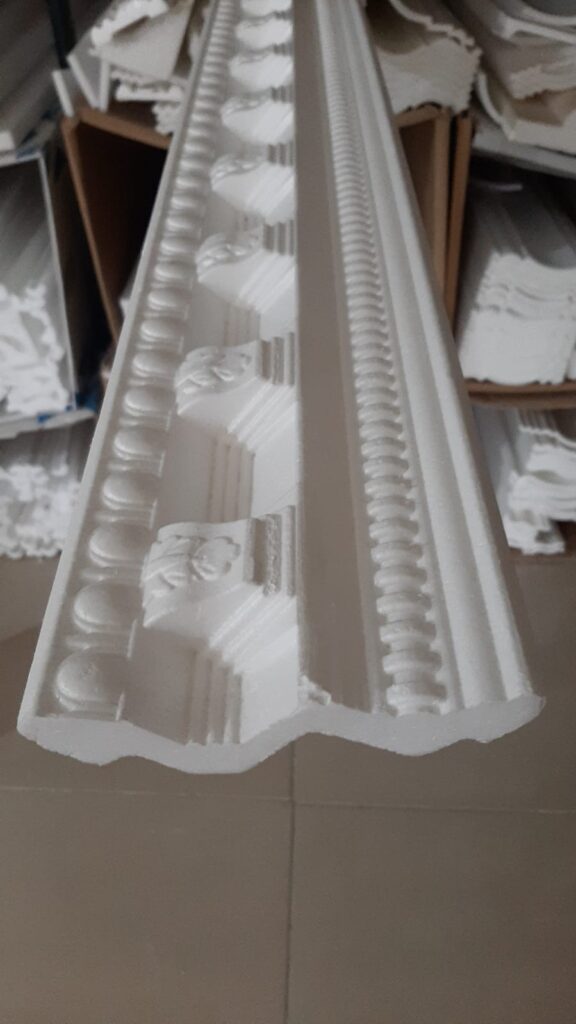
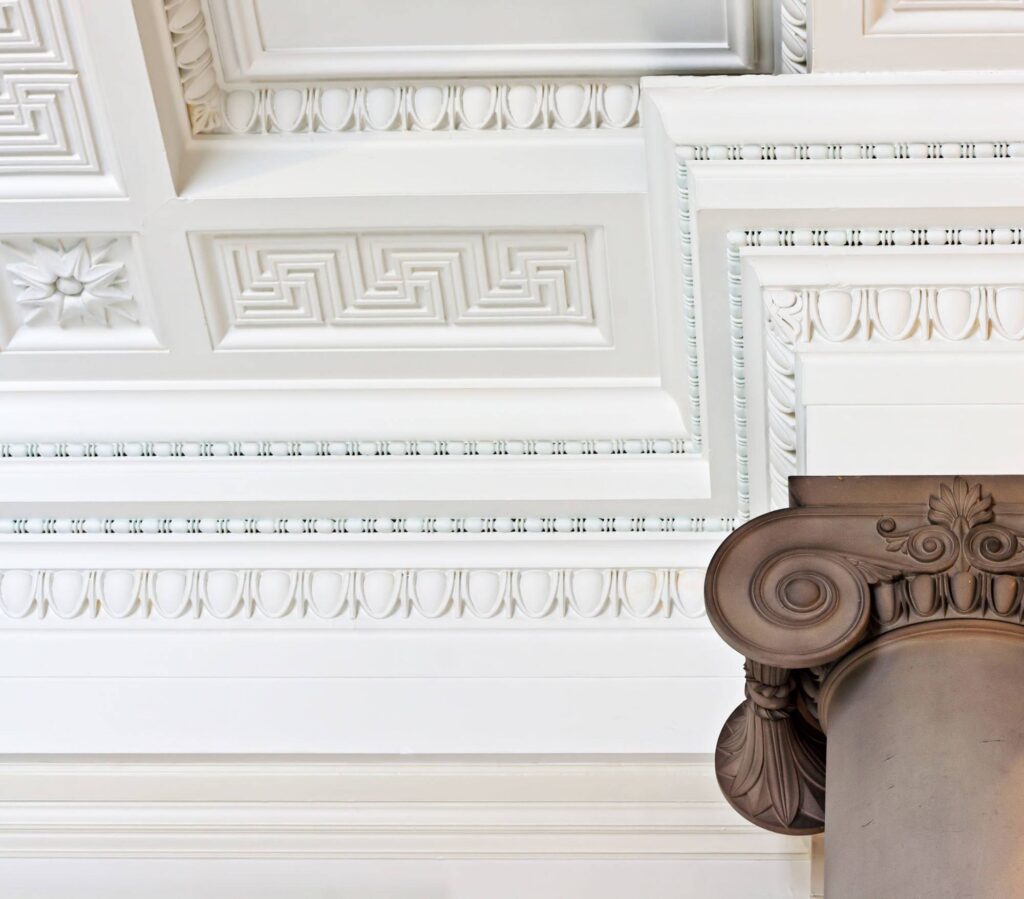
Classical cornices are inspired by ancient Greek and Roman architecture. They typically feature bold, symmetrical designs with straight edges, sharp angles, and a mix of flat and curved surfaces. These mouldings often incorporate key details such as dentil patterns, egg-and-dart motifs, and fluted lines. Classical cornices are perfect for spaces that aim to reflect a neoclassical style or want to add a touch of timeless sophistication. - Art Deco Cornices
Art Deco cornices were popular in the 1920s and 1930s, and they typically feature sleek lines, angular shapes, and bold geometric patterns. These cornices bring a sense of glamour and modernity to a room while still retaining a sense of traditional craftsmanship. Art Deco plaster cornices work well in both commercial spaces and contemporary interiors that want to combine luxury with clean, minimalist design elements. - Modern/Contemporary Cornices
Modern plaster cornices offer a more streamlined and simple approach to design, with clean lines and minimal ornamentation. These cornices are ideal for modern homes or spaces that emphasize open, airy designs. Often, modern cornices are thinner and less elaborate than traditional styles, allowing them to blend seamlessly into contemporary spaces. They can be used in any room but are particularly popular in bedrooms, kitchens, and bathrooms where simplicity and elegance are key.
Benefits of Plaster Cornice Mouldings
- Aesthetic Enhancement
One of the primary benefits of plaster cornice mouldings is the aesthetic enhancement they provide to a space. These mouldings add character, elegance, and visual appeal to ceilings and walls, transforming plain rooms into more sophisticated and refined environments. Depending on the style you choose, cornices can suit traditional, modern, or transitional designs, making them versatile for various interior themes. - Seamless Transition
Cornices create a seamless transition between the ceiling and wall, softening the joint and hiding any imperfections or gaps that may exist between the two surfaces. This smooth transition can make a room look more polished and cohesive, helping to improve the overall visual flow and balance of the space. - Increased Property Value
High-quality plaster cornice mouldings are a sought-after feature in homes, particularly in historic properties or luxury interiors. Installing them can increase the aesthetic value of a home, making it more attractive to potential buyers. In homes with traditional architecture, cornices can preserve the building’s historical character and charm, enhancing its market appeal. - Durability and Longevity
Plaster cornice mouldings are extremely durable and long-lasting. Unlike cheaper alternatives made from materials like foam or plastic, plaster is a robust material that can withstand wear and tear over time. Properly installed plaster cornices require little maintenance and can last for decades without showing signs of damage. Their durability makes them a wise investment, especially in areas that see a lot of foot traffic or changes in temperature and humidity. - Customization Options
Another benefit of plaster cornice mouldings is the level of customization available. Plaster can be molded into virtually any shape or design, making it possible to create unique, bespoke pieces that perfectly suit the size and style of a room. Custom cornices are especially beneficial for spaces with irregular dimensions or architectural features, as they can be tailored to fit seamlessly into the space. - Sound Insulation
Cornice mouldings made from plaster also offer some level of sound insulation. The solid, dense nature of plaster helps to absorb sound and reduce noise levels between rooms. This is particularly beneficial in large open spaces or areas with high ceilings, where echoes and sound reflection can be a concern. - Energy Efficiency
By covering the gap between the ceiling and wall, plaster cornices can help improve energy efficiency. They can help to seal gaps that may allow drafts or air leakage, thus helping to maintain a consistent temperature in the room. This can contribute to energy savings by reducing the need for heating or cooling, especially in older homes with less efficient insulation.
Conclusion
Plaster cornice mouldings are an elegant, durable, and versatile choice for adding charm and sophistication to any space. With various types available—ranging from coved designs to ornate Victorian styles—cornices can be customized to suit the specific aesthetic and functional needs of a room. Whether you’re restoring a period home, upgrading your living room, or simply adding decorative detail to your ceiling, plaster cornices offer both beauty and practicality. Their long-lasting nature, coupled with the visual appeal they bring, makes them a valuable addition to any home.