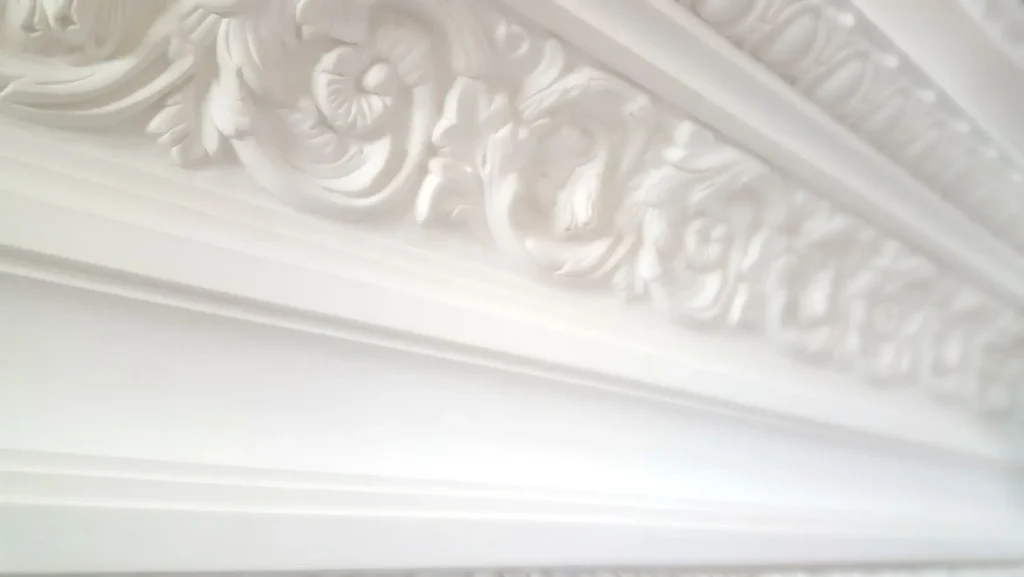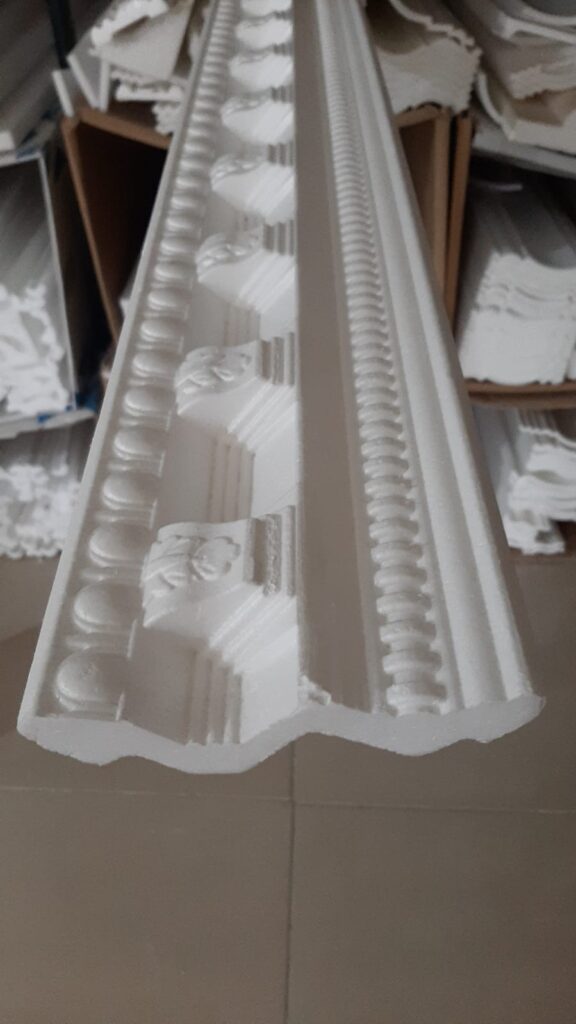
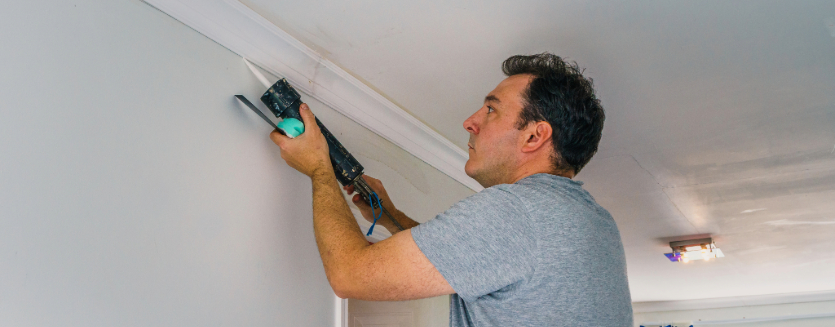
Coving plastering is a traditional yet timeless technique used to create decorative mouldings at the junction of walls and ceilings. Coving adds elegance, warmth, and character to a room by covering the often harsh corner where the wall and ceiling meet. The technique is not only aesthetically pleasing but also offers practical benefits for the longevity and overall appeal of your home. In this blog, we will explore what coving plastering is, the various techniques used, and the benefits of incorporating this feature into your home.
What Is Coving Plastering?
Coving plastering refers to the process of applying a decorative plaster moulding, known as a coving, to the upper edges of walls where they meet the ceiling. The term “coving” is often used interchangeably with “cornicing,” though there are subtle differences in design and application. Coving typically refers to a more curved, gentle transition between the wall and ceiling, as opposed to cornices, which may feature more intricate and angular designs.
The primary purpose of coving plastering is to soften the lines where the ceiling and walls meet, adding visual interest and sophistication to a room. Coving can be applied to both residential and commercial spaces, enhancing the overall ambiance and offering a polished, finished look.
Coving plaster is usually made from materials like gypsum, lime, and sand, though modern coving options may include lightweight materials such as polyurethane, polystyrene, and fibreglass. Each material has its own advantages and considerations, allowing homeowners to choose the best option depending on their needs, style preferences, and budget.
Techniques for Coving Plastering
Coving plastering requires careful application and skill to ensure a smooth, clean finish. Below are some of the most common techniques used to create and install plaster coving:
- Traditional Hand-Made Plaster Coving
Traditionally, plaster coving was applied by hand, with skilled artisans moulding the plaster into intricate designs. This technique requires expert knowledge and craftsmanship to achieve a smooth finish without cracking. The plaster is mixed with water to form a paste, which is then applied to the edges of the wall and ceiling. The plaster is shaped using various tools, such as trowels and moulding templates, to create the desired design.- Advantages: Hand-made plaster coving can produce highly detailed, custom designs that add a unique, high-quality finish to a room.
- Considerations: This method can be more expensive and time-consuming due to the labor-intensive nature of the process.
- Pre-Made Plaster Coving
Pre-made plaster coving offers a faster, more affordable alternative to traditional hand-made coving. Pre-formed coving is manufactured in a factory and is ready to install when delivered to your home. These covings come in various styles, from simple, plain profiles to more elaborate, ornate designs. They are typically lightweight and easy to install, making them ideal for homeowners and DIY enthusiasts.- Advantages: Quick and easy to install, less labor-intensive, available in a range of styles.
- Considerations: Less customization; the design may not be as unique or intricate as hand-crafted coving.
- Polyurethane and Polystyrene Coving
Polyurethane and polystyrene coving are increasingly popular due to their affordability, lightweight nature, and ease of installation. These materials can mimic the appearance of traditional plaster coving, but they are more flexible and do not require as much expertise to install. Both polyurethane and polystyrene coving are often available in pre-made designs, allowing for a quicker installation process.- Advantages: Lightweight, easy to install, cost-effective, and low maintenance.
- Considerations: May not have the same durability or level of craftsmanship as traditional plaster coving.
- Coving with Integrated Lighting
A modern twist on traditional coving plastering involves integrating lighting into the coving itself. This technique often includes recessed lighting or LED strips within the coving, casting a soft, indirect glow that enhances the ambiance of the room. This technique works particularly well in spaces like living rooms, dining rooms, and bedrooms, where soft lighting creates a cozy and inviting atmosphere.- Advantages: Adds modern functionality to decorative elements, creates a relaxing atmosphere with indirect lighting.
- Considerations: Requires additional planning and electrical installation for lighting integration.
- Flexible Coving for Curved Walls
Flexible coving plaster is ideal for curved or non-standard wall designs. Traditional coving may not be suitable for curved or irregular walls, but flexible coving made from materials like foam or polyurethane can be bent and shaped to fit unique wall contours. This makes it an excellent choice for rooms with rounded walls or irregular ceiling lines.- Advantages: Can be bent and shaped to fit curved walls, provides more design flexibility.
- Considerations: Not all coving materials are flexible, so selection of the right type is crucial.
Benefits of Coving Plastering
Coving plastering provides numerous benefits that go beyond mere decoration. Below are some of the key advantages of incorporating coving into your home:
- Aesthetic Appeal
The primary benefit of coving is its ability to enhance the visual appeal of a room. Coving creates a smoother, softer transition between the walls and ceiling, adding depth and character to an otherwise flat and plain corner. Whether you’re looking for a simple, subtle design or a more elaborate, detailed moulding, coving can dramatically improve the look of any room.- Tip: Choose a coving design that complements the existing style of the room. For example, choose a modern, minimal design for a contemporary space, or an ornate, traditional design for a period home.
- Hiding Imperfections
Over time, ceilings and walls can become uneven due to settling, wear and tear, or the natural movement of the building. Coving is an excellent solution for hiding imperfections in the corners of your room, creating a clean and polished look. It can also conceal cracks, gaps, and seams between the ceiling and walls, providing a more professional finish to your interiors. - Making a Room Appear Larger
Coving plastering can also make a room feel more expansive. By softening the sharp lines between the walls and ceiling, coving can help create the illusion of height in a room. This effect works particularly well in rooms with lower ceilings, as the gentle curve of the coving draws the eye upward, making the space feel airier and more open. - Increased Property Value
Adding coving to your home can increase its value, particularly if it’s done in a style that complements the architecture and enhances the overall aesthetic of the space. Potential buyers often appreciate well-executed, decorative details like coving, which can help your property stand out in a competitive market. - Easy to Maintain
Once installed, coving is relatively easy to maintain. It does not require constant upkeep, and it is simple to clean. The smooth surface of coving makes dusting and wiping down easier than it is with more complex ceiling and wall transitions. Plus, modern materials like polyurethane and polystyrene are resistant to wear and tear, making them highly durable. - Customization Options
Coving plastering offers ample customization possibilities. You can choose from a wide range of styles, designs, and materials to suit your home’s specific style and needs. Whether you prefer the classic charm of ornate plasterwork or the modern appeal of simple, clean lines, there is a coving solution for every interior.
Conclusion
Coving plastering is an elegant, practical solution for enhancing the aesthetic and functional qualities of any room. Whether you choose traditional plaster coving or more modern alternatives like polyurethane or polystyrene, coving can transform your space by softening the transition between walls and ceilings, adding character, and increasing property value. With various techniques and materials available, it’s easy to find the right coving option to suit your home’s style and budget.