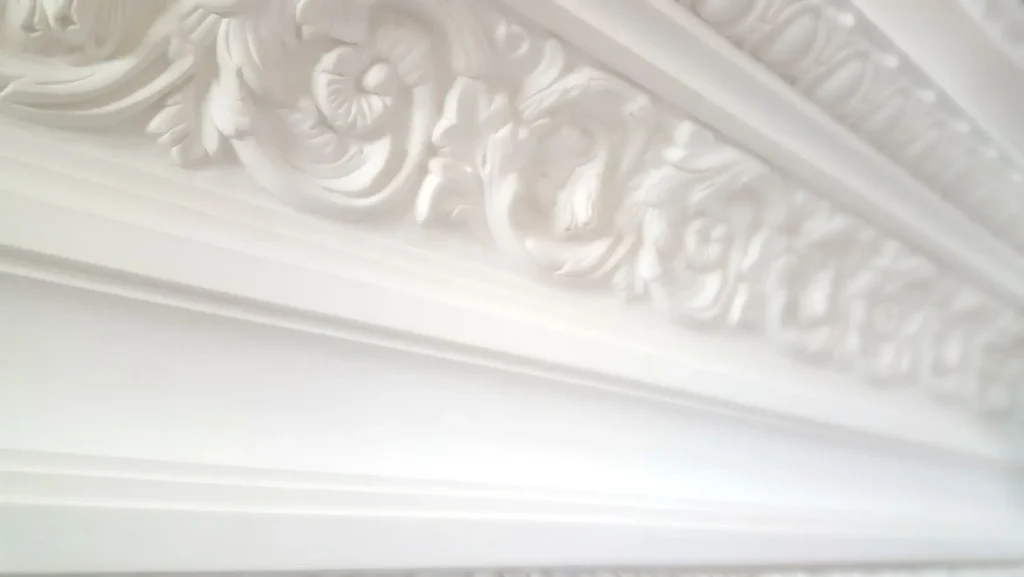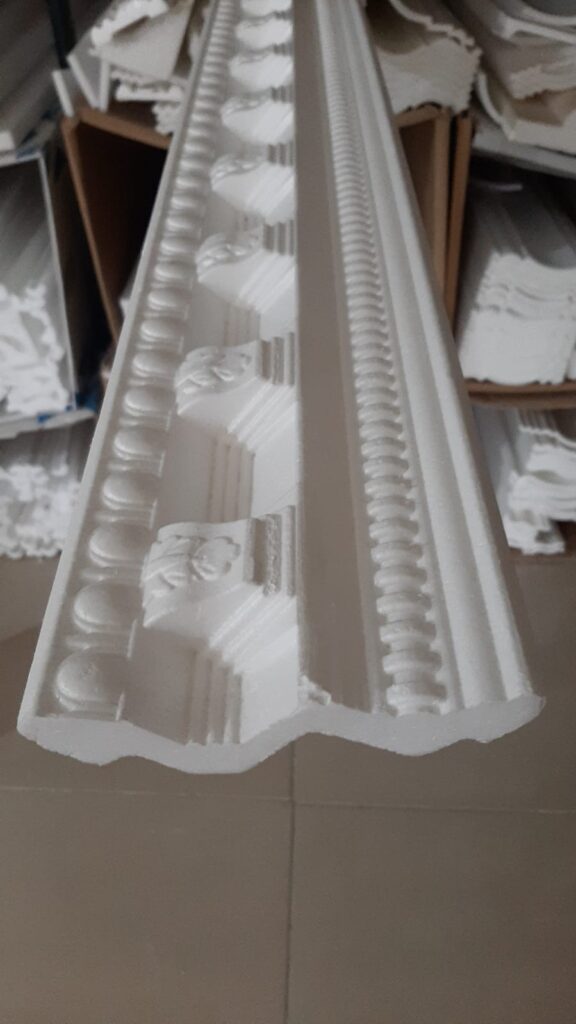
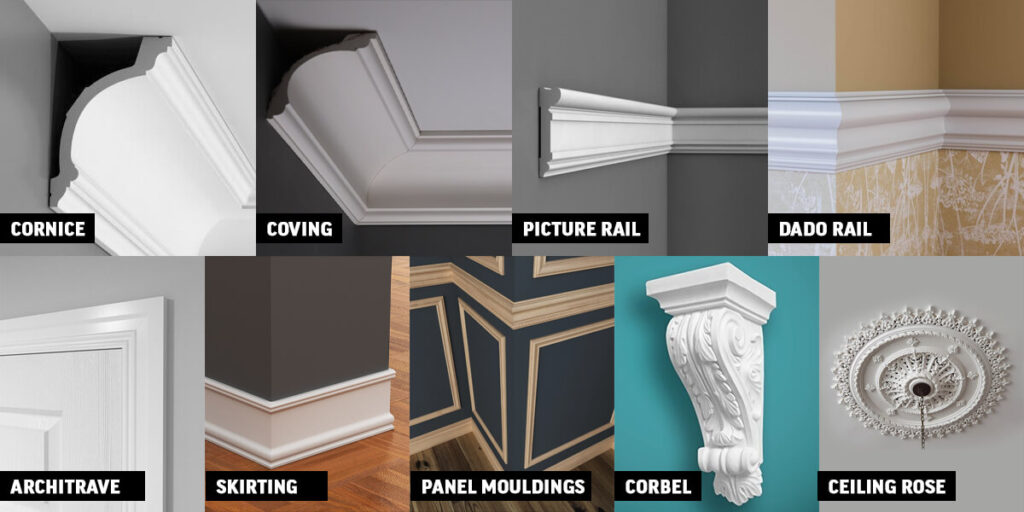
Cornices are decorative mouldings installed where the wall meets the ceiling, adding a touch of elegance and architectural detail to any room. They come in various styles and materials, and each type of cornice has unique features and applications. In this comprehensive guide, we will explore the four main types of cornices, highlighting their characteristics, benefits, and ideal uses.
1. Traditional Plaster Cornices
Overview: Traditional plaster cornices have been a staple in interior design for centuries. They are typically made from high-quality plaster, which is applied directly to the wall and ceiling. Plaster cornices come in a range of profiles, from simple, curved designs to more intricate, ornate patterns.
Key Features:
- Made from durable plaster, offering a classic and timeless look.
- Can be hand-crafted or pre-cast depending on the design.
- Often used in historic buildings and homes with traditional architecture.
Benefits:
- Durability: Plaster cornices are extremely durable and long-lasting, making them an excellent investment for both new builds and renovations.
- Customizability: Skilled artisans can create bespoke designs, allowing for greater personalization and intricate detailing.
- Historical Appeal: Ideal for homes with period features or those seeking to achieve a classic, sophisticated look.
Best For:
- Period homes, heritage buildings, or spaces that require a traditional, ornate design.
2. Foam Cornices
Overview: Foam cornices are a modern alternative to traditional plaster options. Made from lightweight materials such as polystyrene or polyurethane foam, foam cornices offer an affordable and easy-to-install option that still delivers a polished finish. They are often coated with a special resin or paint for added durability and aesthetics.
Key Features:
- Lightweight and easy to handle during installation.
- Available in a variety of designs and profiles.
- Often comes pre-finished or can be painted to match the interior.
Benefits:
- Ease of Installation: Foam cornices are simple to install, even for DIY enthusiasts, making them ideal for quick renovations.
- Cost-Effective: These cornices are typically more affordable than traditional plaster options, making them a popular choice for budget-conscious homeowners.
- Lightweight: The reduced weight makes them less prone to sagging, ensuring a long-lasting finish.
Best For:
- Homeowners looking for an affordable and easy-to-install cornice solution, or those working on DIY projects.
3. Wood Cornices
Overview: Wood cornices are another popular option, especially in traditional or rustic-style homes. These cornices are made from solid wood or engineered wood products, such as MDF (Medium-Density Fibreboard), and can be highly customized in terms of finish and design.
Key Features:
- Typically made from natural wood or wood alternatives, like MDF or plywood.
- Can be stained, painted, or varnished to match a room’s decor.
- Available in various profiles, from simple to ornate.
Benefits:
- Classic Look: Wood cornices add a warm, natural aesthetic to a room and work well with both traditional and modern interiors.
- Customizable: Wood cornices can be easily shaped and painted to suit the room’s color scheme or architectural style.
- Sustainability: If made from sustainable wood sources, they offer an environmentally friendly option for homeowners.
Best For:
- Homes with a rustic, vintage, or traditional style, or those looking to add a natural element to their interiors.
4. Aluminum Cornices
Overview: Aluminum cornices are a contemporary option that combines durability with sleek, modern design. They are made from lightweight aluminum and are often used in commercial spaces, but they are also gaining popularity in residential settings, particularly in modern and industrial-style homes.
Key Features:
- Made from durable aluminum, which is resistant to rust and corrosion.
- Sleek, modern designs that fit well with contemporary interiors.
- Available in a range of finishes, including polished, matte, and anodized options.
Benefits:
- Durability: Aluminum cornices are resistant to wear, moisture, and insects, making them highly durable.
- Modern Appeal: The sleek and polished appearance of aluminum works well with minimalist or industrial-style spaces.
- Maintenance-Free: Aluminum requires minimal maintenance and does not require regular repainting like wood or plaster.
Best For:
- Modern, industrial, or commercial spaces, or homeowners seeking a low-maintenance and durable cornice option.
Comparing the Four Types of Cornices
| Type of Cornice | Material | Key Benefits | Best For |
|---|---|---|---|
| Traditional Plaster | Plaster | Durable, customizability, historical appeal | Period homes, heritage buildings |
| Foam Cornices | Polystyrene, Polyurethane | Lightweight, cost-effective, easy installation | Budget-conscious homeowners, DIY projects |
| Wood Cornices | Solid wood, MDF | Classic, customizable, sustainable | Rustic, vintage, or traditional interiors |
| Aluminum Cornices | Aluminum | Modern look, low maintenance, durable | Modern, industrial, commercial spaces |
Conclusion
Cornices are an essential architectural detail that can elevate the design of any room, adding depth, character, and a professional finish. Whether you choose traditional plaster cornices for their timeless appeal or opt for the affordability and ease of foam or aluminum cornices, there are options to suit every taste, budget, and style of interior. Each type of cornice brings its own set of advantages, so consider the overall aesthetic, durability, and ease of installation when selecting the right option for your space.