When designing or renovating your home, two materials you may come across are cornice and plasterboard. While they both serve important roles in interior design, they are quite different in terms of function, appearance, and application. Understanding the key differences between cornice and plasterboard can help you make more informed decisions when planning your interior spaces. In this blog, we’ll explore the main differences between cornice and plasterboard, their individual uses, and where each material works best.
What Is Cornice?
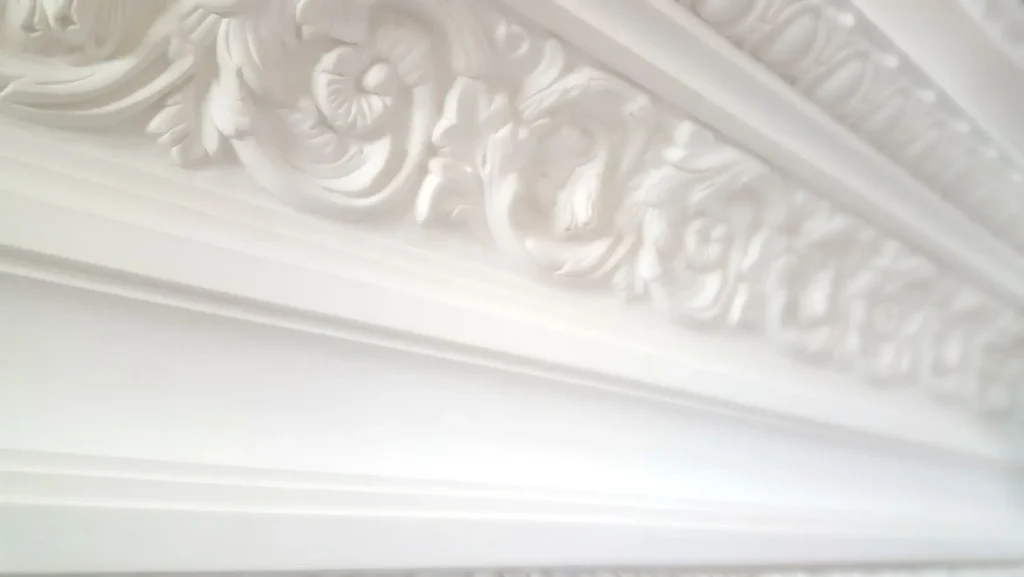
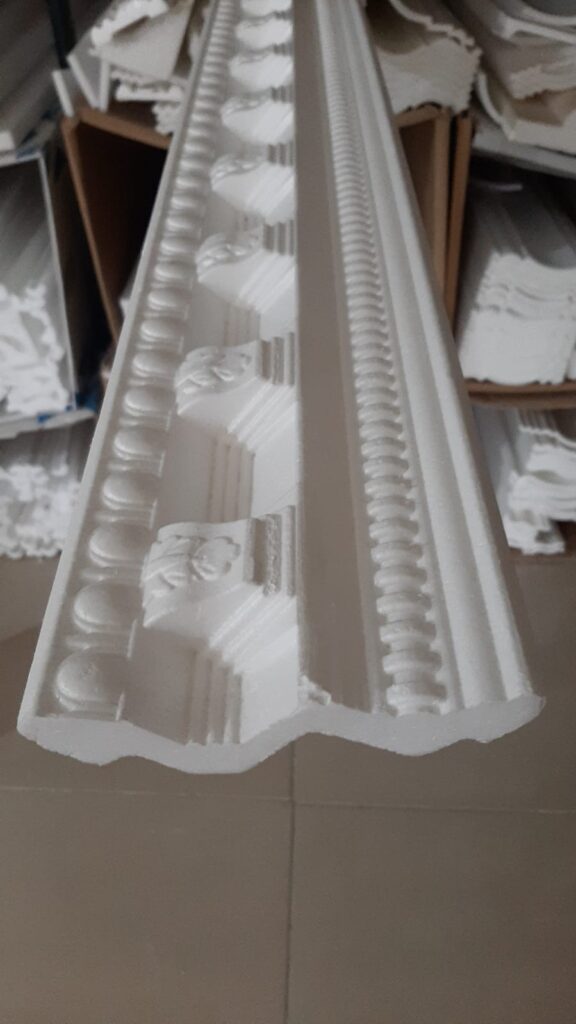
Cornice refers to a decorative moulding or trim that is typically placed where the wall meets the ceiling. It is a feature used to add an elegant touch to a room, enhancing the aesthetic appeal of the space. Cornices can be made from various materials, including plaster, polyurethane, polystyrene, or even wood, and come in various designs — from simple, minimalist styles to highly ornate, intricate patterns.
Cornices can be applied to both traditional and modern interiors, with their main function being to conceal any gaps or imperfections where the wall and ceiling meet. They also help soften the sharp edges, creating a smooth and seamless transition.
What Is Plasterboard?
Plasterboard, also known as drywall or gypsum board, is a material commonly used to construct and finish walls and ceilings. Made from a gypsum core that is sandwiched between layers of paper, plasterboard is lightweight, versatile, and easy to install. It is the primary material used for creating flat and smooth surfaces in both residential and commercial buildings.
Plasterboard is primarily used for creating walls and ceilings in a building, and it can be easily cut, shaped, and mounted on frames made of timber or metal studs. It is often used in new constructions and renovations to provide a smooth, level surface for painting or applying other finishes.
Key Differences Between Cornice and Plasterboard
1. Functionality
- Cornice: Cornices are purely decorative. They are used to enhance the aesthetic appeal of a room, adding a finishing touch to where the wall meets the ceiling. In addition to their visual impact, they can also help to conceal imperfections, such as gaps, cracks, or uneven joins between the ceiling and walls.
- Plasterboard: Plasterboard serves a functional purpose in the construction of walls and ceilings. It provides structural support, creating the main framework for the surface of a room. Plasterboard is not used for decoration in itself but provides a smooth, sturdy base for finishes like paint, wallpaper, or tiles.
2. Material Composition
- Cornice: Cornices are typically made from plaster, polyurethane, polystyrene, or wood. Plaster cornices are traditional and provide a classic look, while more modern materials like polyurethane or polystyrene offer lightweight and cost-effective alternatives that are easier to install.
- Plasterboard: Plasterboard is made from a core of gypsum, which is surrounded by two layers of paper. The gypsum core gives plasterboard its strength and durability, while the paper layers provide a smooth surface for painting or finishing.
3. Installation Process
- Cornice: Installing a cornice requires precise measuring and cutting to ensure the moulding fits correctly along the ceiling edge. Depending on the material, cornices may need to be fixed with adhesive or nails. Some cornices, particularly traditional plaster versions, require professional installation, while modern alternatives like foam or polyurethane cornices are easier for DIYers to install.
- Plasterboard: Installing plasterboard involves securing large panels of board to the studs or frame of the wall or ceiling. The boards are usually fixed using screws or nails and may require jointing compounds to fill gaps and seams. The process can be more involved compared to cornice installation, as it often requires multiple steps such as measuring, cutting, fixing, and finishing the surface.
4. Appearance
- Cornice: Cornices are primarily decorative and offer a range of design possibilities. They can be simple, with a basic design, or highly ornate with intricate details, such as floral patterns, scrolls, or geometric motifs. Cornices add elegance and a finished look to a room and are often used in formal spaces such as living rooms, dining rooms, and hallways.
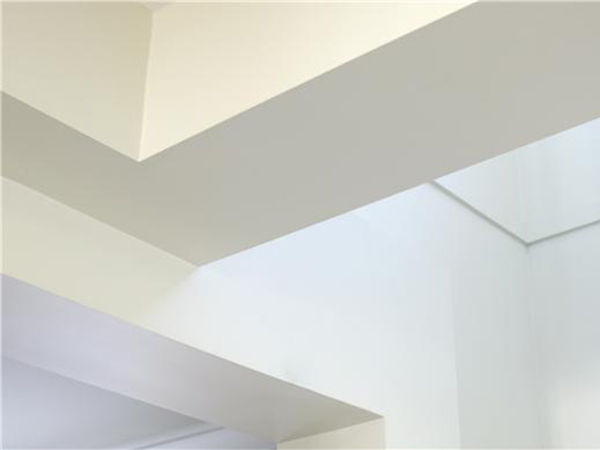
- Plasterboard: Plasterboard, on the other hand, is designed to be a smooth, flat surface. It provides a clean backdrop for any further decoration, such as painting, wallpaper, or tiling. While plasterboard can have a neat appearance, it is not typically a focal point in interior design.
5. Cost
- Cornice: The cost of cornices varies depending on the material, size, and design. Plaster cornices tend to be more expensive due to the labor-intensive process required for installation and the cost of the material itself. On the other hand, foam or polyurethane cornices are more affordable and easier to install, making them a cost-effective option for many homeowners.
- Plasterboard: Plasterboard is generally a more affordable option than cornices, especially when used to cover large areas. The cost of plasterboard installation is also relatively low, though it can increase depending on factors like the complexity of the job and the need for finishing materials like joint compound and paint.
Where to Use Cornice and Plasterboard
Cornice: Best Applications
- Living Rooms and Dining Rooms: Cornices are commonly used in formal spaces where you want to add a sense of sophistication and finish to the room. They can make the space feel more luxurious.
- Kitchens and Bathrooms: Cornices can also be used in kitchens and bathrooms, where their ability to hide gaps between the walls and ceiling is particularly useful.
- Renovations and Restorations: When restoring period homes, cornices are often essential for recreating the original look and feel of the space.
Plasterboard: Best Applications
- New Constructions: Plasterboard is typically used in new builds as the standard material for walls and ceilings. It’s perfect for creating large, flat surfaces that can then be finished.
- Renovations: In renovation projects, plasterboard is used to replace old or damaged wall surfaces or to create new internal walls and ceilings.
- Office and Commercial Spaces: Plasterboard is ideal for partitioning offices, retail spaces, and commercial buildings due to its affordability and ease of installation.
Conclusion
While both cornice and plasterboard are essential elements in interior design, they serve very different functions. Cornices are decorative mouldings that provide a finishing touch and enhance the aesthetic appeal of a room, while plasterboard forms the structural surface for walls and ceilings. When deciding between the two, it’s important to understand their distinct roles and choose the material that best suits your project. Whether you’re looking to add a touch of elegance with a decorative cornice or construct a smooth, functional surface with plasterboard, both materials play a key part in creating beautiful and functional interiors.