When it comes to home design, the terms “crown moulding” and “cornice” are often used interchangeably, but they actually refer to two distinct architectural elements. Both crown moulding and cornices are types of decorative trims installed where the wall meets the ceiling, but they serve different purposes and have unique characteristics. Understanding the difference between crown moulding and cornices can help you make the right choice for your interior design projects.
In this blog, we’ll break down the key differences between crown moulding and cornices, including their definitions, appearances, uses, and installation methods.
What Is Crown Moulding?
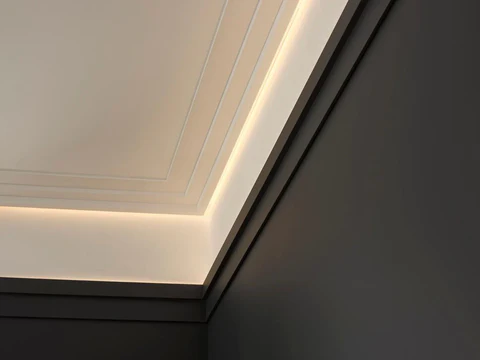
Crown moulding is a type of decorative trim that is typically installed where the wall meets the ceiling, with the main purpose being to create a smooth transition between the two surfaces. It can be made from various materials, including wood, plaster, polyurethane, and polystyrene, and is often used to add elegance to the top edge of a room. Crown moulding is usually a thinner, simpler design than a cornice and tends to have a more subtle appearance.
Crown moulding has been a staple in classical interior design, especially in more formal rooms like living rooms, dining rooms, and bedrooms. However, it can also be used in modern settings, with minimalist styles becoming increasingly popular in contemporary homes.
What Is a Cornice?
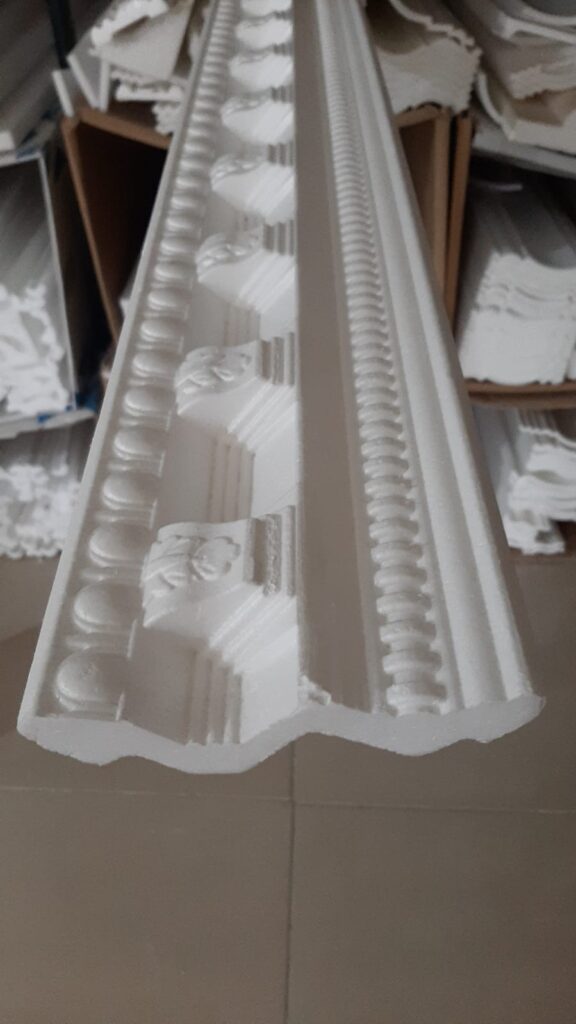
A cornice is a larger and more intricate moulding that is typically installed at the point where the wall and ceiling meet. It is usually deeper and thicker than crown moulding, and its design can be more elaborate, with intricate detailing, carvings, and patterns. Cornices are often used to conceal structural elements, such as joints or gaps between the ceiling and wall, while also adding an ornamental touch to the room.
In addition to being decorative, cornices can also serve a practical function, hiding imperfections and providing a clean, finished look to the room. Cornices can be made from a variety of materials, including plaster, wood, and polyurethane, and can range from very simple designs to more ornate, classical styles.
Key Differences Between Crown Moulding and Cornice
1. Design and Size
- Crown Moulding: Crown moulding is typically smaller and more streamlined, with simpler designs. It often features curves or straight lines with minimal detailing, giving it a more subtle, understated appearance. The depth of crown moulding is usually around 3 to 6 inches, and it tends to have a smooth, gradual curve at the top to transition from the wall to the ceiling.
- Cornice: Cornices, on the other hand, are generally much larger and more decorative. They have a more pronounced profile, often incorporating intricate patterns, carvings, and other design elements. Cornices are typically deeper, ranging from 6 to 12 inches or more, and they can feature various decorative elements like scrollwork, floral motifs, or geometric patterns.
2. Function
- Crown Moulding: The primary function of crown moulding is decorative. It serves as a finishing touch, adding elegance and sophistication to a room. Crown moulding helps soften the transition between the wall and ceiling, creating a clean and polished look. It can also hide any imperfections along the ceiling edge, such as gaps or uneven lines.
- Cornice: While cornices are also decorative, they tend to have a more functional role. In addition to enhancing the room’s appearance, cornices were historically used to hide structural elements such as joints, seams, and the meeting points of walls and ceilings. Cornices can also be used to conceal lighting, wiring, or other fixtures that might otherwise be visible. In some cases, they serve as a visual boundary, marking the separation between different sections of a room or different surfaces.
3. Material Choices
- Crown Moulding: Crown moulding is typically made from materials like wood, plaster, or lightweight synthetic materials like polyurethane or polystyrene. These materials are chosen for their ability to provide clean, crisp lines and smooth finishes, which complement the elegant look of crown moulding. In modern homes, lightweight materials are often used for easier installation.
- Cornice: Cornices are traditionally made from plaster, which allows for more intricate detailing and customization. However, they can also be found in materials like wood, polyurethane, or fiberglass for easier installation. Plaster cornices are more commonly used in older homes, particularly in period-style interiors, while modern homes often opt for lightweight, synthetic materials.
4. Installation and Cost
- Crown Moulding: Crown moulding is generally easier and quicker to install compared to cornices. Because crown moulding is smaller and simpler in design, it can be installed by most DIYers with the right tools and basic skills. It is also less expensive than cornices, as the materials tend to be less costly and the installation process is more straightforward.
- Cornice: Installing a cornice can be more complex, especially if you’re working with larger, more ornate designs. Due to their size and intricacy, cornices often require professional installation, particularly if you are using traditional plaster cornices that need to be molded and installed on-site. Cornices tend to be more expensive than crown moulding, both in terms of material costs and installation fees.
5. Usage in Interior Design
- Crown Moulding: Crown moulding is a versatile option for nearly any room, from traditional to modern spaces. It is often used in living rooms, dining rooms, bedrooms, and hallways, creating a refined, elegant look. For more contemporary homes, simpler crown moulding designs are popular, while more detailed, classical moulding works well in period homes.
- Cornice: Cornices are generally used in formal or traditional spaces, where the design calls for a more grand and sophisticated appearance. Cornices are ideal for high-ceilinged rooms or historical renovations, where their ornamental detailing can add drama and luxury to the space. They are often seen in older buildings or in rooms designed to reflect classical styles.
Which One Should You Choose?
Deciding between crown moulding and cornices depends on your design preferences, the space you’re working with, and your budget. Here are some factors to consider when making your decision:
- Room Size: If you’re working with smaller rooms or rooms with lower ceilings, crown moulding might be a better option, as it provides elegance without overwhelming the space. For larger rooms with high ceilings, cornices can provide the grandeur and visual impact you’re looking for.
- Style: For modern and minimalist interiors, crown moulding works well with its clean lines and simple designs. However, if you’re going for a more classic or ornate look, especially in a historical renovation, cornices can add the detailed finishing touches you’re after.
- Budget: Crown moulding is typically more budget-friendly than cornices, making it a great option for those who want a decorative touch without breaking the bank. Cornices, especially custom plaster ones, can be more expensive and may require professional installation.
Conclusion
Both crown moulding and cornices are excellent choices for enhancing the appearance of your home. While crown moulding is more subtle, modern, and easy to install, cornices are larger, more elaborate, and often have a functional purpose in addition to being decorative. The choice between the two ultimately depends on your aesthetic preferences, the scale of your room, and your budget. Regardless of which option you choose, both can add a touch of elegance and sophistication to your interior design.