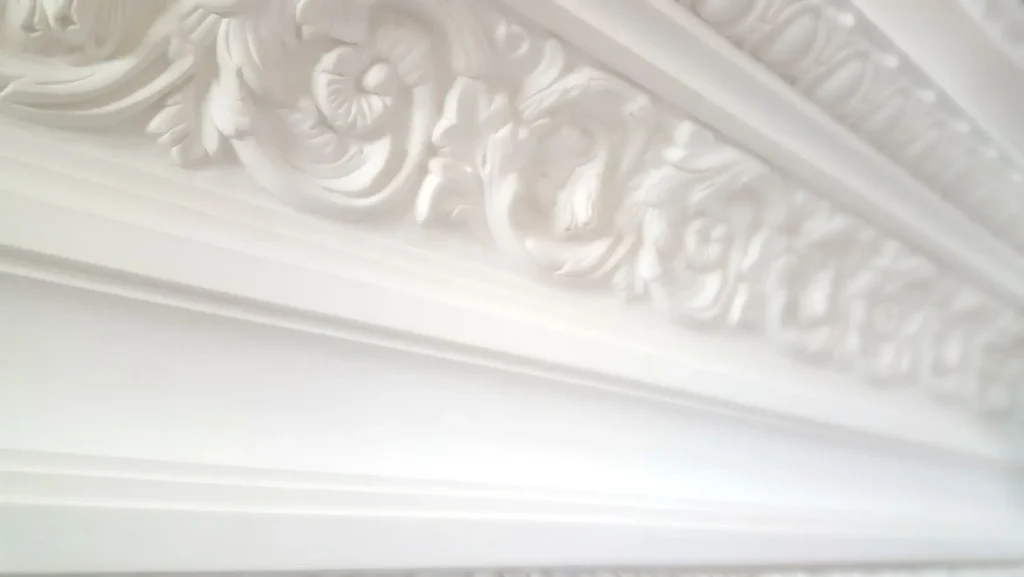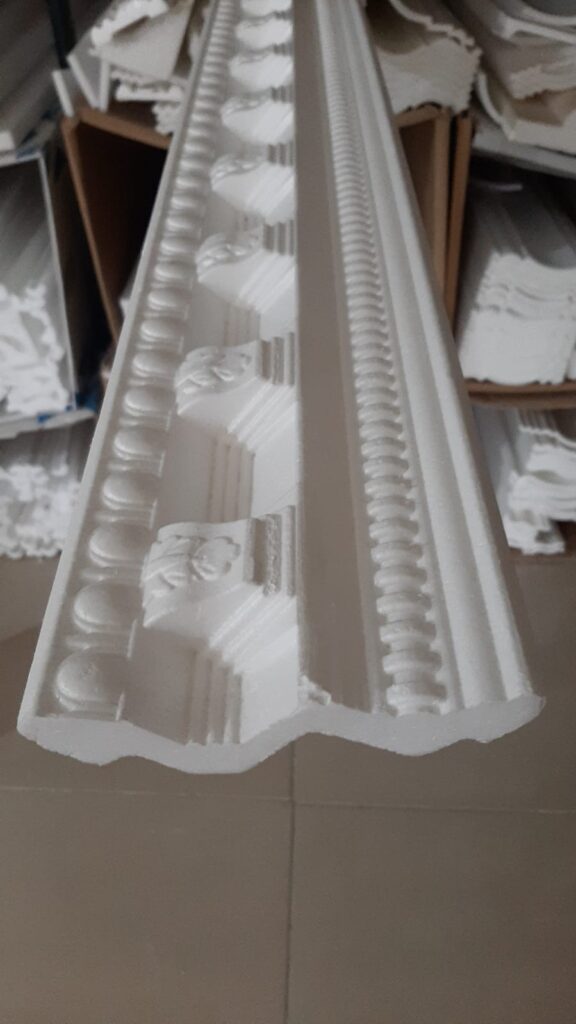
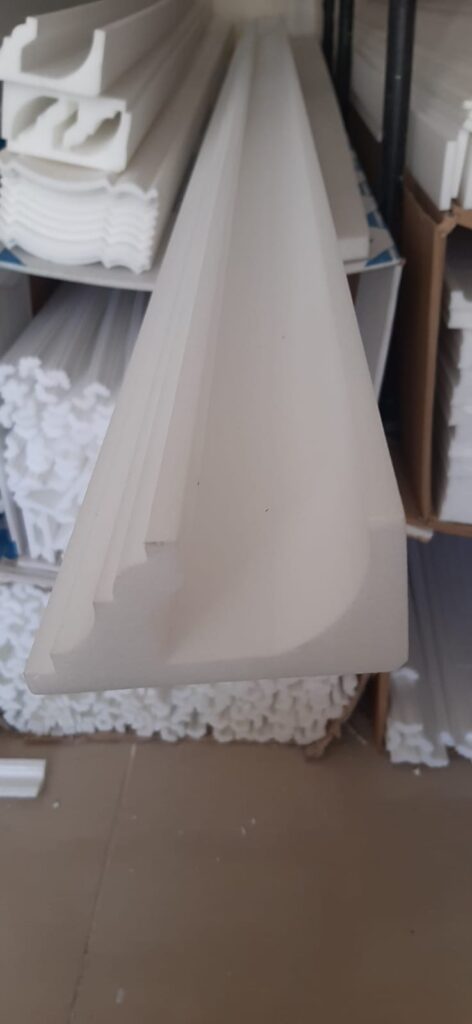
Cornices are a powerful tool in ceiling decoration, offering both aesthetic and practical benefits. Whether you’re renovating your home or designing a new space, cornices can significantly enhance your interior’s overall look and feel. In this article, we’ll explore the key advantages of using cornices and provide a detailed price analysis to help you make an informed decision.
Advantages of Using Cornices in Ceiling Decoration
Enhanced Aesthetic Appeal
Cornices add a touch of elegance and refinement to any space. Their ability to seamlessly blend walls and ceilings creates a polished and cohesive design.
- For Modern Interiors: Minimalist cornices provide a sleek, clean look.
- For Traditional Spaces: Ornate designs bring a sense of grandeur and sophistication.
Concealing Imperfections
Cornices effectively hide imperfections such as uneven edges, wiring, or cracks, ensuring a flawless finish.
Pro Tip: Use gypsum or polyurethane cornices for intricate designs that also offer excellent coverage.
Improved Lighting Integration
By incorporating LED strip lights or recessed lighting, cornices can enhance the ambiance of a room.
- Adds depth and dimension to ceilings.
- Creates a cozy or dramatic atmosphere, depending on the lighting choice.
Increased Property Value
Homes with well-designed interiors, including decorative cornices, often attract higher property values. Cornices are seen as a mark of quality and attention to detail.
Customization Options
Cornices come in various materials, designs, and sizes, allowing for tailored solutions to fit any room or budget.
Sound Dampening
In some cases, cornices made from materials like polyurethane can help reduce noise levels, contributing to a quieter, more comfortable environment.
Easy Maintenance
Cornices are low-maintenance and, when properly installed, can last for decades without significant wear or damage.
Price Analysis of Cornices in 2025
Cornice prices vary depending on factors like material, design complexity, and installation costs. Here’s a breakdown of typical price ranges:
- By Material
- Gypsum: $10–$25 per linear meter
- Lightweight, versatile, and ideal for detailed designs.
- Polyurethane: $15–$30 per linear meter
- Durable and moisture-resistant, perfect for bathrooms and kitchens.
- Wood: $20–$50 per linear meter
- Adds warmth and elegance but requires more maintenance.
- PVC or Plastic: $5–$15 per linear meter
- Budget-friendly and easy to install, but less durable.
- Gypsum: $10–$25 per linear meter
- By Design
- Simple Flat Designs: $5–$10 per linear meter
- Ornate Patterns: $20–$40 per linear meter
- Installation Costs
- DIY Installation: Minimal cost, ideal for lightweight materials like PVC.
- Professional Installation: $50–$100 per hour, depending on complexity and region.
- Additional Costs
- Painting or Finishing: $2–$5 per linear meter.
- Lighting Integration: $20–$50 per linear meter for LED strips or fixtures.
Budgeting Tips for Cornices
Plan Ahead:
Measure your spaces accurately to avoid over-purchasing materials.
Compare Materials:
Choose materials that suit both your aesthetic preferences and functional needs.
DIY vs. Professional Installation:
For simple designs, consider DIY installation to save costs. For ornate or complex designs, hire a professional to ensure a flawless finish.
Buy in Bulk:
Purchasing cornices in bulk for larger projects often comes with discounts.
Conclusion
Cornices are a cost-effective way to elevate your home’s interior design while offering numerous practical benefits. Whether you prefer a minimalist modern look or an intricate classic style, there’s a cornice to match your vision. By understanding the price ranges and planning your budget wisely, you can enjoy the elegance and functionality of cornices without overspending.
Ready to transform your ceilings? Explore the wide variety of cornice options available in 2025 and find the perfect fit for your home!