Corners are often the unsung heroes of home decor, yet they play a crucial role in defining the overall look of a room. Whether you’re looking to soften sharp edges, add an element of sophistication, or simply finish off the room’s design, corners can significantly enhance the aesthetics of any space. In this article, we will explore the importance of corners in interior design, the types available, and how to choose the right ones for your home.
Why Are Corners Essential in Home Decor?
Corners are not just practical but serve as key decorative elements that can make or break a room’s overall design. Here are a few reasons why corners matter:
1. Seamless Transitions Between Walls and Ceilings
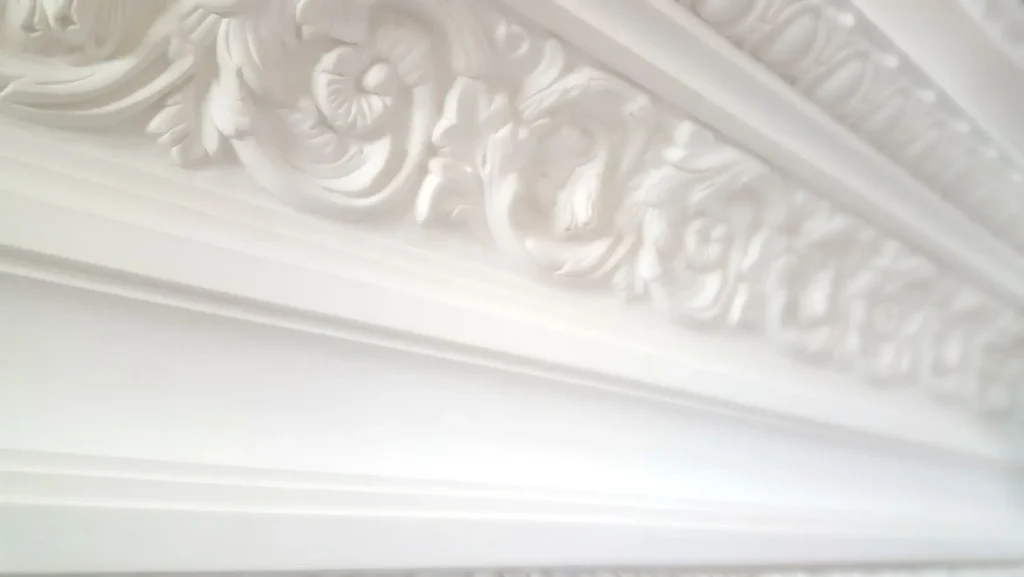
Corners create smooth transitions between the ceiling and walls, offering a polished finish. Without well-designed corners, the meeting points of walls and ceilings can appear harsh and unfinished. Cornice moldings, in particular, help conceal imperfections in the wall-joining areas and soften sharp angles, creating a more refined look.
2. Adding Architectural Interest
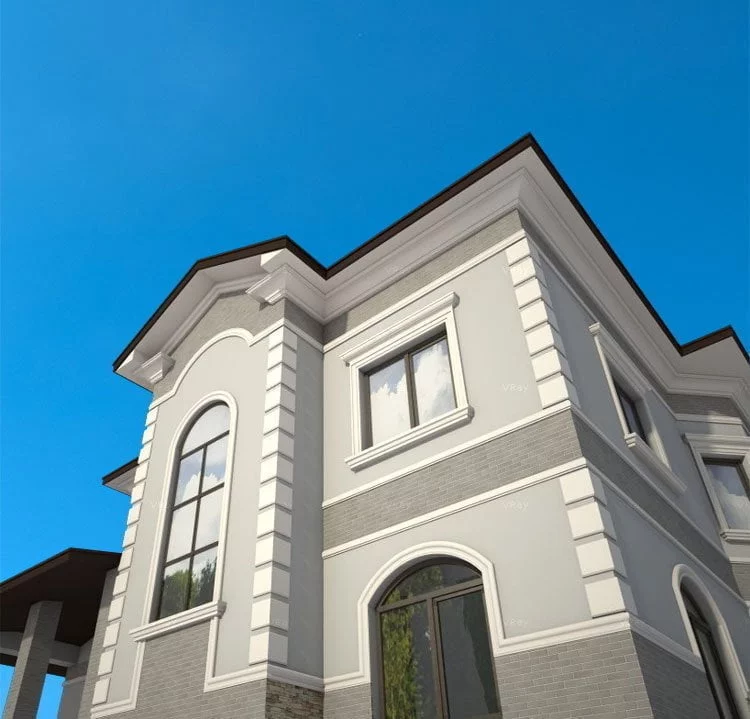
Corners are perfect for adding intricate architectural details to a room. From traditional to contemporary designs, corners can make a bold statement or simply offer subtle elegance, depending on the style and design choice. Adding corner elements can elevate a room from simple to spectacular, creating a visually appealing focal point.
3. Enhancing Room Balance
Well-designed corners can help bring balance and symmetry to a space. They can visually frame or define different areas in a room, such as separating the living space from the dining area in an open-plan layout. Corners can also highlight or draw attention to architectural features like windows, doors, and focal walls.
4. Improved Safety
In spaces like hallways, corners can be rounded or softened to reduce the risk of injury from sharp edges. This is particularly useful in homes with children, the elderly, or high-traffic areas. Softened corners make your home safer while also enhancing the design.
Types of Corners and Their Uses
There are various types of corner elements you can incorporate into your home, each suited for different decor styles and needs:
1. Traditional Corners
Traditional corners typically feature ornate, detailed designs, perfect for period-style homes or rooms that feature classic or vintage decor. These corners often include floral or geometric patterns and are typically made from plaster, wood, or other heavy materials. They add grandeur and charm to any space.
2. Modern Corners
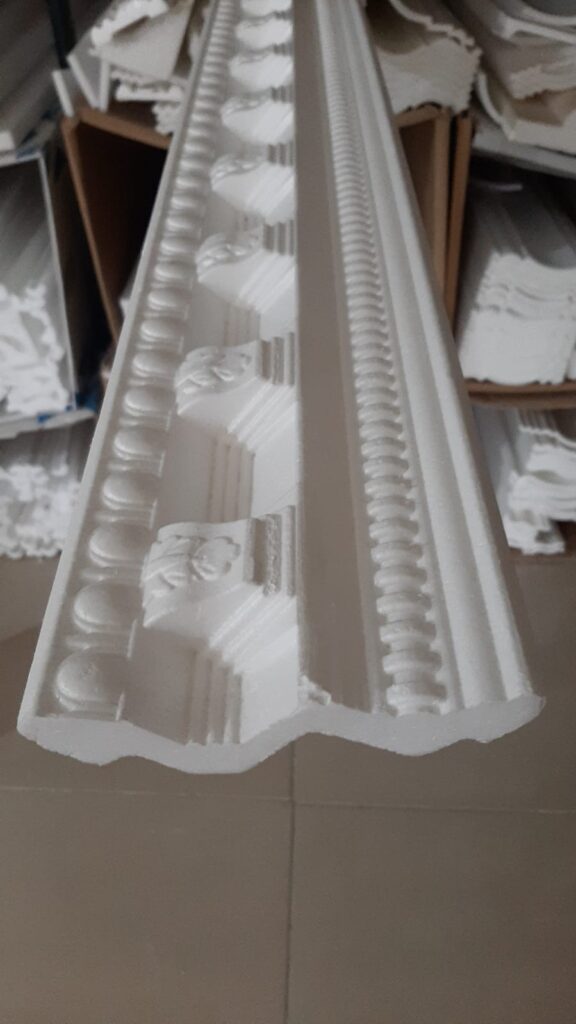
For a more streamlined, minimalist look, modern corners use simpler lines and subtle details. These corners are often made from lightweight materials like polyurethane or polystyrene, making them easy to install. Modern corners can complement clean lines and open spaces, offering a more contemporary finish for your home.
3. Curved Corners
Curved corners are excellent for creating a softer, more fluid look. These are often used in spaces where a relaxing or organic design is desired. Curved corners can help break the rigidity of square rooms and create an inviting, smooth transition between walls and ceilings.
4. Coved Corners
Coved corners are rounded designs used where walls meet ceilings. Unlike sharp, angular corners, coved corners provide a graceful, continuous curve. This design is particularly suitable for traditional homes and adds a touch of old-world charm, making the space feel more open and airy.
5. Box Corners
Box corners feature sharp, clean angles that give a defined, structured look. These corners are typically seen in modern or industrial spaces and are perfect for creating bold statements. Box corners can be used to add a sense of structure and formality to a room.
How to Use Corners to Enhance Your Home
Corners play a key role in interior design and can be used in various ways to enhance the aesthetic of a room. Here’s how you can incorporate corners into different spaces:
1. Living Rooms
In living rooms, corners can be used to add depth and architectural interest. Decorative cornices or molding around the ceiling corners can elevate the design and complement your furniture and wall art. You can use bold corner elements to create a statement piece or opt for subtle detailing to complement the room’s overall theme.
2. Bedrooms
In bedrooms, corners can help create a cozy, inviting atmosphere. Softly curved or coved corners can contribute to a relaxing environment, making the room feel calm and peaceful. Decorative corner elements can also bring a touch of elegance, especially when paired with luxurious fabrics or classic furnishings.
3. Kitchens
Kitchens can benefit from corners in both functional and decorative ways. Coved corners are ideal in this space, as they are easy to clean and prevent dirt buildup. On the other hand, modern or traditional corner moldings can add style and complete the look of your kitchen, especially if you’re looking to tie together cabinetry, backsplashes, and flooring designs.
4. Bathrooms
Corners in bathrooms are essential for adding both beauty and practicality. Coved corners prevent water and moisture from settling in hard-to-reach areas, protecting the walls and ceilings. Plus, softening the corners in a bathroom can make the space feel more relaxing and open, especially when combined with delicate tilework or elegant finishes.
5. Hallways and Entryways
Hallways and entryways often lack visual interest. Adding decorative corners in these spaces can draw attention and make them feel more welcoming. Corners in these areas can frame doorways or provide the finishing touch to a stylish entry, ensuring that guests have a memorable first impression of your home.
How to Choose the Right Corners for Your Home
Selecting the perfect corners for your space requires considering the room’s design and the effect you wish to achieve. Here are a few factors to keep in mind:
1. Room Style
The style of your room should determine the type of corner design you choose. For a traditional room, opt for more intricate, detailed corners. For modern or minimalist interiors, select corners with clean, simple lines. Always ensure the corner design complements your existing decor.
2. Room Size
Larger rooms may benefit from bold and intricate corner designs, while smaller spaces will look better with simpler, less dominant corners. Avoid overwhelming a small room with too much detail. Instead, choose subtle, elegant corners that add dimension without cluttering the space.
3. Material and Finish
Corners come in a variety of materials, including wood, plaster, polyurethane, and polystyrene. Wood and plaster offer a more traditional, high-end finish, while lightweight materials like polyurethane are more affordable and easier to install. Choose a material that aligns with your budget and the desired aesthetic.
Call to Action:
Are you ready to enhance your home with stylish and functional corners? Browse our collection of decorative corners, available in various styles and materials to suit your needs. Whether you’re upgrading your living room, bathroom, or hallway, we have the perfect corners to add the finishing touch to your space. Contact us today for expert advice on choosing and installing the right corners for your home!