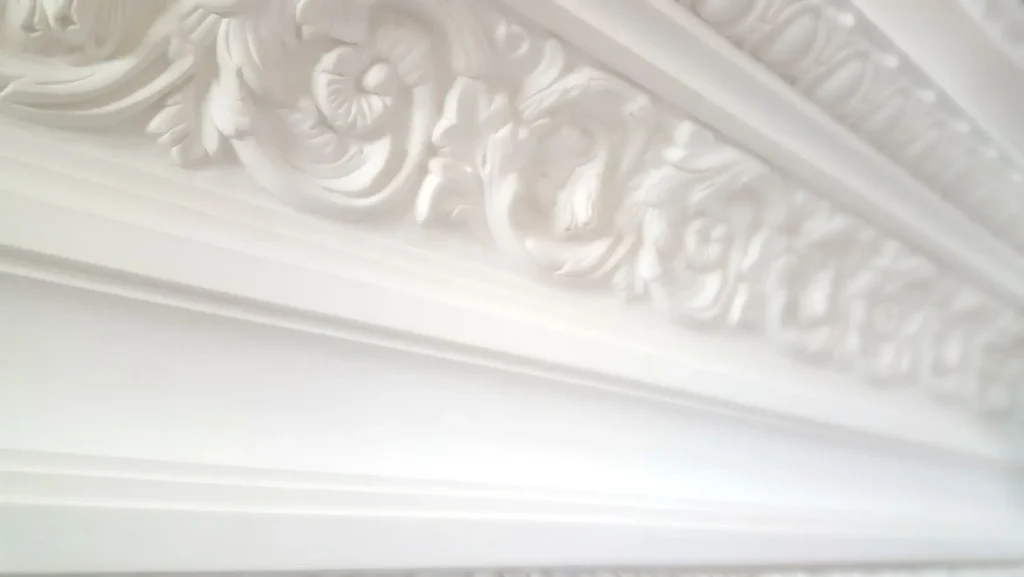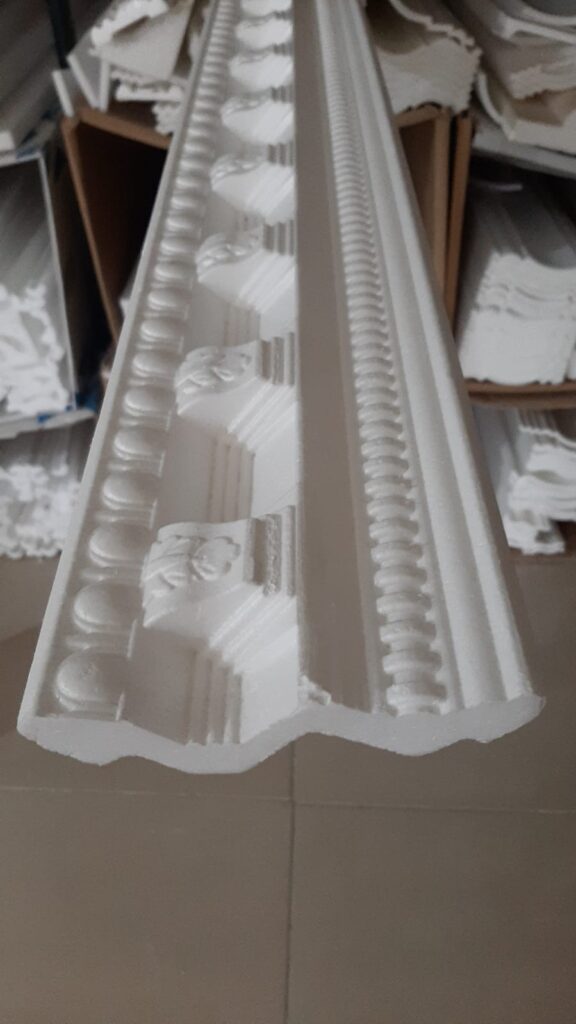
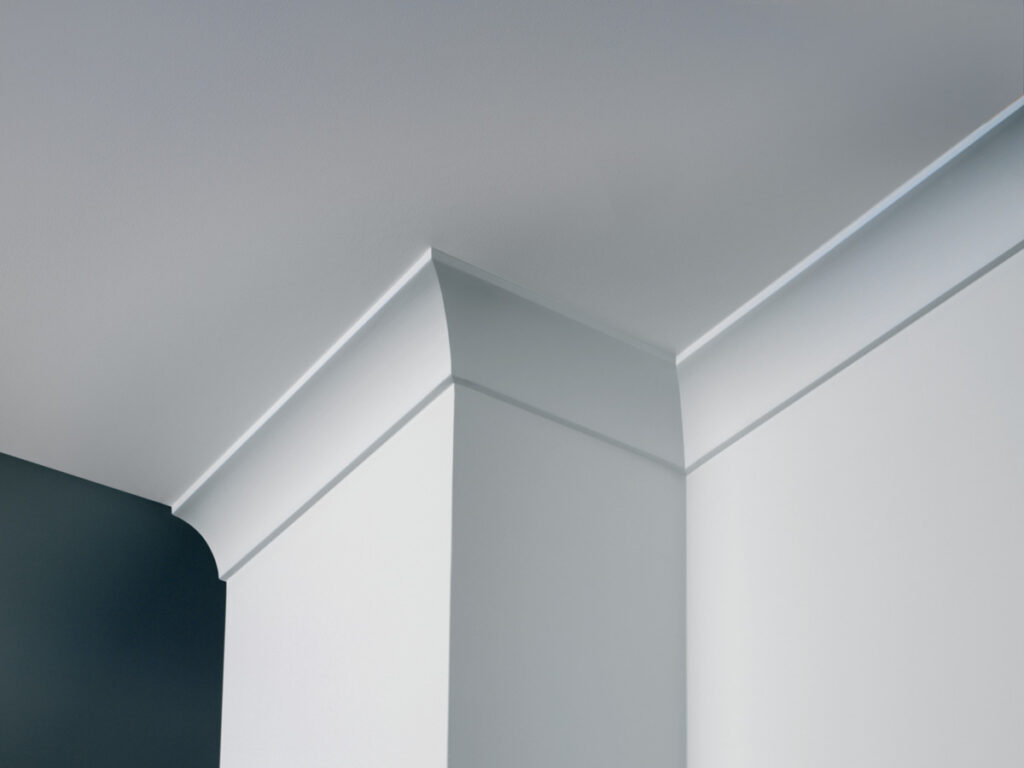
Cornice plaster ceilings are a timeless feature in both traditional and modern architectural designs. Cornices, which are ornamental moldings placed along the edge of a ceiling or at the junction between the ceiling and wall, add elegance, charm, and sophistication to a room. Made from plaster or other materials, cornices not only enhance the aesthetic appeal of spaces but also offer practical benefits.
Key Features of Cornice Plaster Ceilings
- Aesthetic Appeal: Cornice plaster ceilings are known for their intricate designs and elegant finishes. They come in a variety of styles, from simple, smooth lines to more elaborate patterns with floral motifs, geometric shapes, and classical designs. This variety allows homeowners and interior designers to match the cornice design with the overall theme of the room.
- Durability: Plaster is a durable material that, when properly installed, can last for decades. Cornice plaster is resistant to wear and tear, making it a long-lasting option for home and commercial interiors. It also maintains its color and shape over time, unlike other materials that may warp or crack.
- Customization: Cornice plaster can be molded into different shapes and sizes, making it highly customizable. Whether you want a subtle, classic look or a more extravagant design, plaster can be tailored to suit your needs. The flexibility in design allows it to fit any room size or architectural style.
- Sound Insulation: Plaster cornices can provide a certain level of sound insulation. Their thick, solid structure helps to reduce noise, making them an ideal choice for larger rooms or spaces where noise reduction is important.
- Energy Efficiency: Plaster cornices can also contribute to the energy efficiency of a room. By sealing the gap between the wall and ceiling, they can help reduce heat loss or gain, thereby contributing to better temperature control.
Applications of Cornice Plaster Ceilings
- Residential Interiors: Cornice plaster ceilings are widely used in residential homes, especially in living rooms, dining areas, and bedrooms. They can add a touch of luxury and create a more polished, refined look. In period homes or historic buildings, they help preserve the original charm and character of the space.
- Commercial Spaces: In offices, hotels, restaurants, and other commercial spaces, cornice plaster ceilings can be used to create a high-end, professional atmosphere. The added architectural detail helps elevate the space and impress clients or customers.
- Period Renovations: For homeowners renovating old properties, installing cornice plaster ceilings is a way to maintain the historical integrity of the building. Cornices were commonly found in traditional and Victorian-style architecture, and they remain a popular choice for restoration projects.
- Luxury Homes: In luxury homes, cornice plaster ceilings are often used to create a grand, opulent look. They can be paired with other luxurious features such as chandeliers, hardwood floors, and ornate furniture to create a cohesive and stylish space.
- Theater and Cinematic Spaces: Cornice plaster ceilings are also popular in theaters, cinemas, and performance venues. The decorative design of the cornice enhances the atmosphere, and the acoustical properties of plaster help optimize sound in the space.
Conclusion
Cornice plaster ceilings are a versatile and enduring design element. Whether used for their aesthetic beauty, soundproofing properties, or as a historical feature in renovations, cornices bring elegance and functionality to any space. Their durability, customization options, and range of applications make them a valuable addition to both residential and commercial interiors. If you’re looking to elevate the appearance of your home or business, consider incorporating cornice plaster ceilings to add timeless charm.