Crown molding is a timeless decorative feature that enhances the elegance of any room by creating a seamless transition between the walls and ceiling. Whether you’re looking for a classic, ornate design or a modern, minimalist style, the right crown molding can significantly elevate your interior space.
In this guide, we’ll explore the best styles of crown molding for ceilings and provide expert installation techniques to ensure a flawless finish.
🏛️ Best Styles of Crown Molding for Ceilings
When selecting crown molding for your ceiling, consider factors like room height, décor style, and material preference. Here are some of the most popular styles:
1. Traditional Crown Molding
✔ Best for: Classic, elegant interiors
✔ Materials: Wood, plaster, MDF
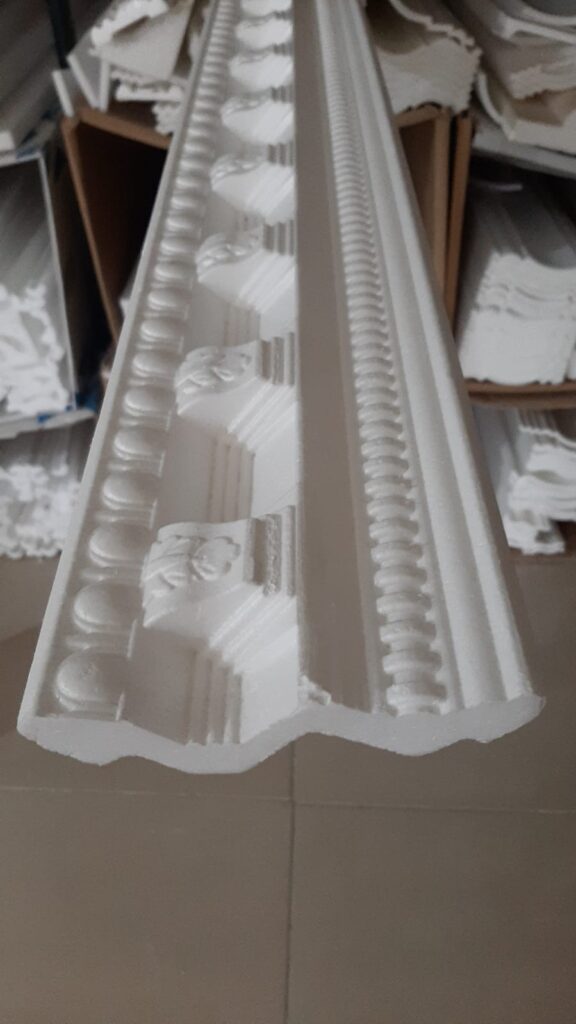
✔ Design: Features curved and intricate details, adding a luxurious touch to formal spaces like living rooms and dining areas.
2. Modern and Minimalist Molding
✔ Best for: Contemporary and minimalist spaces
✔ Materials: MDF, PVC, styrofoam
✔ Design: Clean, straight lines with simple profiles, ideal for modern homes with a sleek aesthetic.
3. Cove Molding
✔ Best for: Soft, subtle transitions
✔ Materials: Plaster, wood, polyurethane
✔ Design: Features a concave shape that blends smoothly between the ceiling and walls, creating a subtle decorative effect.
4. Dentil Molding
✔ Best for: Classic and historical homes
✔ Materials: Wood, plaster
✔ Design: Features a series of small, evenly spaced blocks, commonly used in Victorian or Colonial-style homes.
5. Beaded and Stepped Molding
✔ Best for: Transitional and contemporary interiors
✔ Materials: MDF, PVC, polyurethane
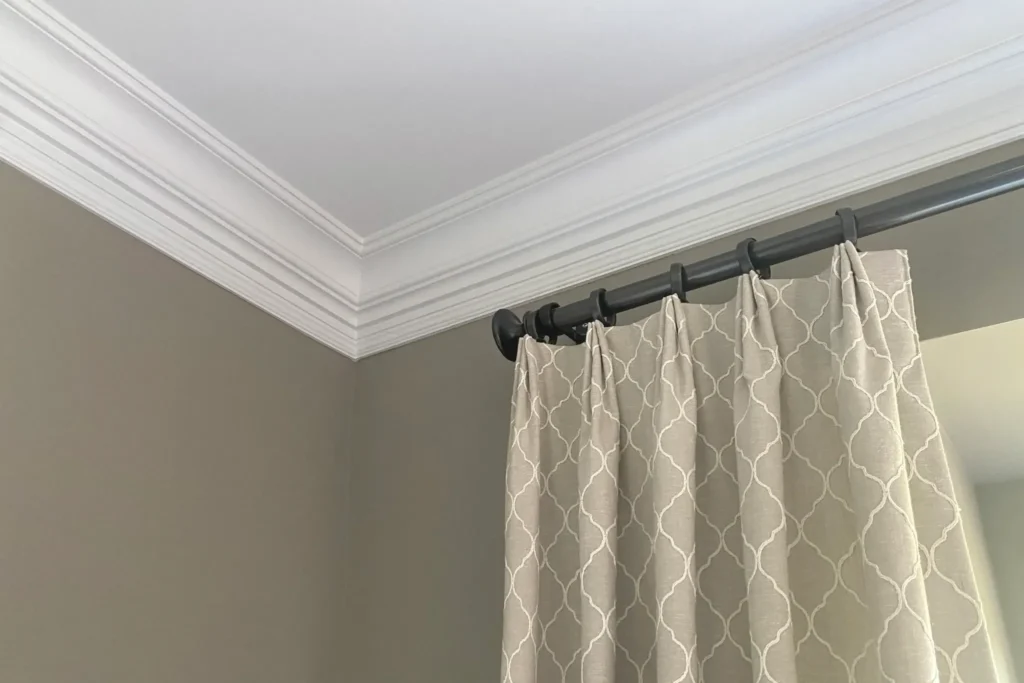
✔ Design: Layered profiles or beaded edges for a unique, eye-catching look.
6. Custom and Ornate Molding
✔ Best for: Luxury and period-style homes
✔ Materials: Plaster, wood
✔ Design: Includes floral, scrollwork, or intricate carvings, perfect for adding historical charm and grandeur.
🛠️ Installation Techniques for a Professional Finish
Installing crown molding for the ceiling requires precision and careful planning. Here’s how to do it:
1. Gather the Right Tools
You’ll need:
✔ Crown molding pieces
✔ Measuring tape
✔ Miter saw or coping saw
✔ Adhesive glue (for lightweight materials)
✔ Nails and nail gun (for wood or MDF)
✔ Caulk and putty for finishing touches
2. Measure and Cut Accurately
- Measure the length of each wall and mark the placement of the molding.
- Use a miter saw to cut inside and outside corners at a 45-degree angle for a seamless fit.
- For curved walls, consider flexible molding materials or heating techniques to bend the molding.
3. Choose the Right Installation Method
- For lightweight materials (styrofoam, PVC, MDF): Use adhesive glue and secure with temporary nails.
- For heavier materials (wood, plaster): Use a nail gun or screws to anchor the molding securely.
4. Secure the Molding to the Ceiling
- Start from a corner and work your way around the room.
- Align each piece carefully and press firmly to ensure a tight fit.
- Use a level to check alignment before securing the molding.
5. Fill Gaps and Paint
- Use caulk to fill any small gaps between molding pieces.
- Apply wood putty over nail holes for a smooth finish.
- Sand lightly and paint the molding in white, off-white, or a complementary ceiling color.
🔹 Pro Tips for a Seamless Crown Molding Installation
✔ Choose the right size: Larger rooms with high ceilings look best with tall and layered molding, while smaller rooms should use narrower profiles to avoid overwhelming the space.
✔ Pre-paint the molding: It’s easier to paint the molding before installation to ensure even coverage.
✔ Use corner blocks: If you’re struggling with precise cuts, corner blocks can simplify installation and add a decorative touch.
✔ Match the molding to the room style: Ornate moldings suit traditional interiors, while sleek, simple designs are better for modern spaces.
📌 Final Thoughts
Crown molding is a beautiful and effective way to elevate your home’s ceiling and overall aesthetic. Whether you prefer a simple, modern trim or an elaborate, classical design, there’s a crown molding style for every home.
With the right tools and techniques, you can achieve a seamless, professional-looking installation that enhances the beauty of your space.