When it comes to home decoration, the details matter, and one such detail that can elevate your space is the cornice. The right cornice can complement your interior style, whether it’s modern, classic, or eclectic. But with so many options available, how do you choose the best one for your home decor? In this guide, we’ll walk you through the process of selecting the ideal cornice model that aligns with your needs and taste.
Understanding the Role of Cornices in Home Decor
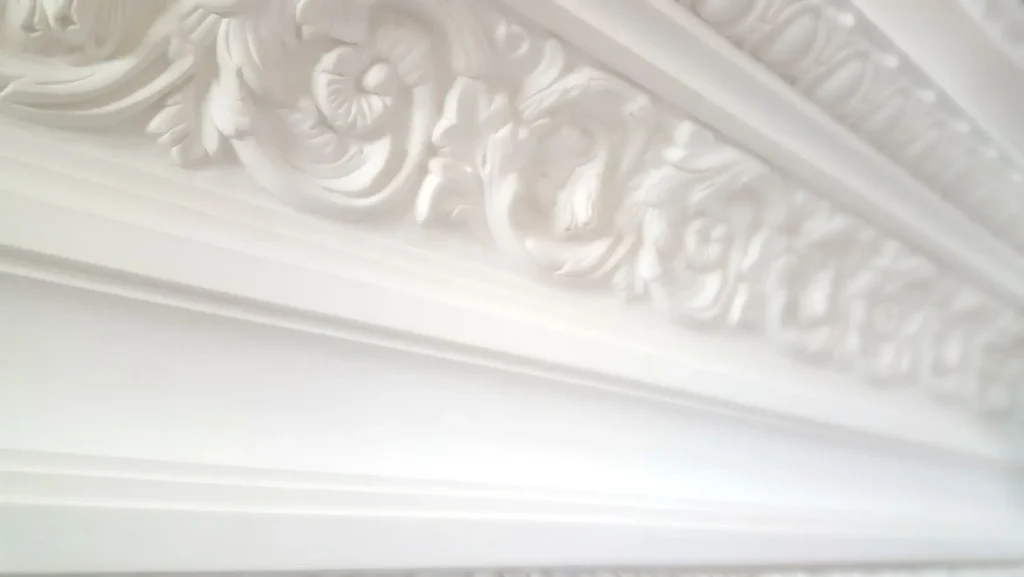
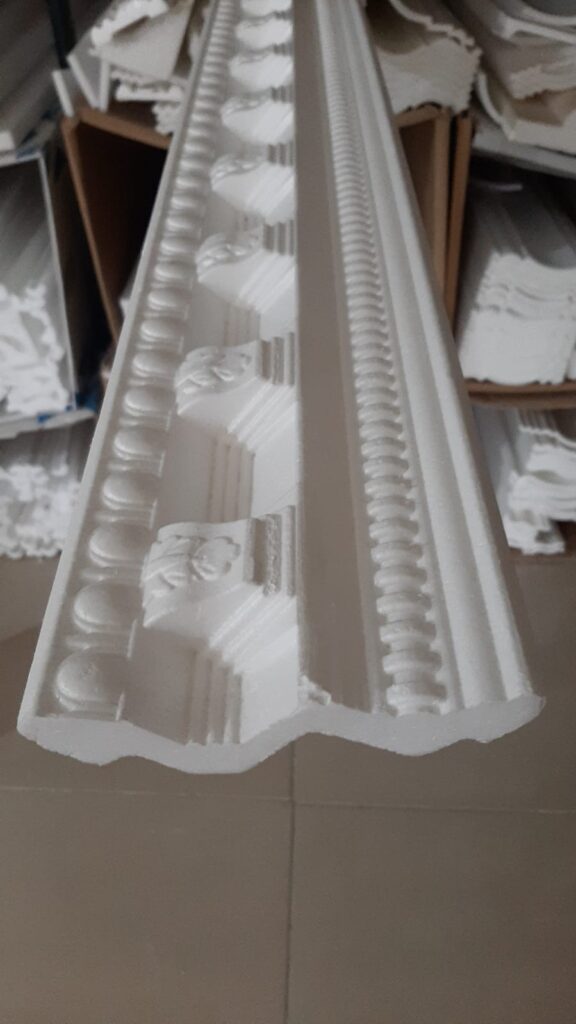
Cornices are ornamental moldings typically installed at the junction of walls and ceilings. They serve both functional and decorative purposes, adding elegance and a finished look to a room. Cornices can be made from various materials such as plaster, polyurethane, wood, or polystyrene, each offering different aesthetics and benefits.
Why Cornices Matter in Home Design
Cornices are more than just decorative elements; they help in:
- Hiding Imperfections: If there are gaps or cracks between the wall and ceiling, a cornice can effectively hide them, giving the room a polished, seamless look.
- Creating Visual Interest: They can add texture and depth to a plain ceiling, making the room feel more sophisticated.
- Framing the Room: Cornices can act as a frame, drawing the eye upward and enhancing the height of a room.
Factors to Consider When Choosing a Cornice Model
Choosing the right cornice model requires careful consideration of several factors. Let’s explore what you need to keep in mind.
1. Style of Your Interior
The style of your room plays a significant role in determining which cornice model will complement your decor best. Here’s a breakdown of options:
- Modern Interiors: For contemporary spaces, sleek, minimalistic cornices in materials like polyurethane or polystyrene work best.
- Classic and Traditional Styles: Wood or plaster cornices with intricate designs will complement vintage and traditional settings.
- Eclectic Rooms: If you enjoy mixing different styles, choose a cornice with a simple yet unique design that ties together the various elements in your room.
2. Material Choices
The material of your cornice affects both its appearance and durability. Here are a few options to consider:
- Polyurethane: Durable, lightweight, and affordable, it’s a popular choice for modern homes.
- Wood: Offers a classic, premium finish, perfect for traditional and luxurious spaces.
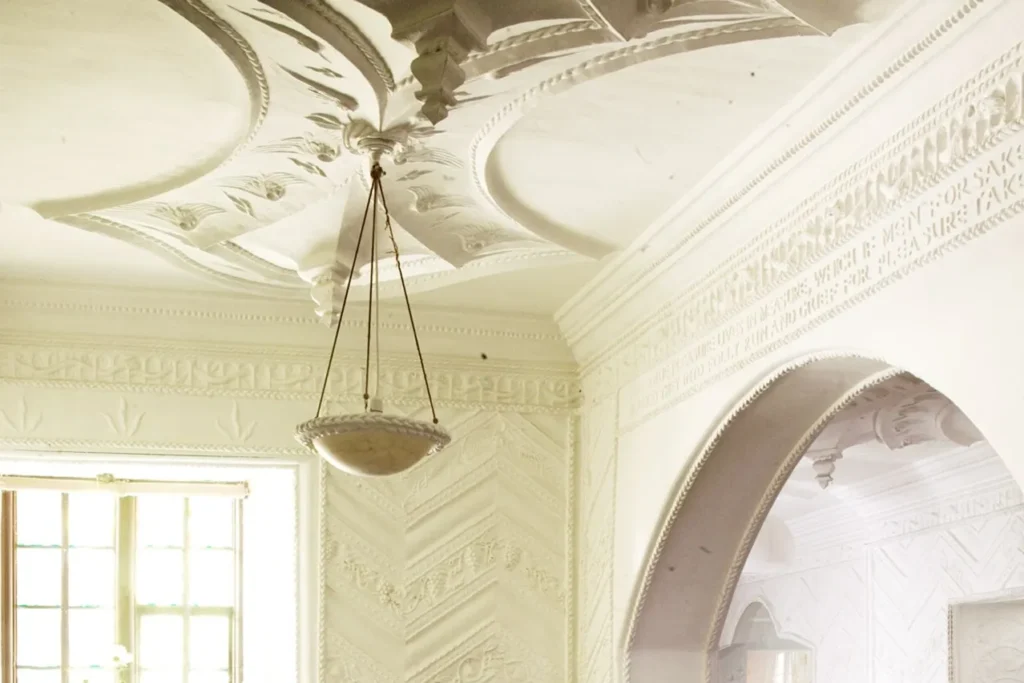
- Plaster: Ideal for creating custom, high-end designs, plaster cornices are perfect for grand homes or detailed architecture.
- Polystyrene: A budget-friendly option that still offers great design possibilities.
3. Room Size and Proportion
The size of your room influences the scale of the cornice you should choose. For larger rooms with high ceilings, consider a more prominent, detailed cornice to fill the space visually. Smaller rooms benefit from simpler, thinner cornices that don’t overwhelm the design.
4. Installation Ease
If you’re installing the cornices yourself, look for options that are easy to handle and install. Materials like polystyrene and polyurethane tend to be lighter and easier to install than heavier plaster or wood cornices.
Where to Install Cornices in Your Home
Cornices can be installed in various rooms, but each space may benefit from different styles:
- Living Room: Opt for an elegant, detailed cornice to create a focal point and elevate the atmosphere.
- Bedroom: Soft, simple cornices can add charm without overpowering the space.
- Kitchen and Hallways: Choose subtle designs that complement cabinetry or architectural features in these areas.
Call to Action:
Ready to choose the perfect cornice for your home? Explore our wide range of high-quality cornices designed to suit every style and budget. Contact us today to get expert guidance on selecting the ideal cornice model for your space. Transform your home with the perfect finishing touch—get in touch now!