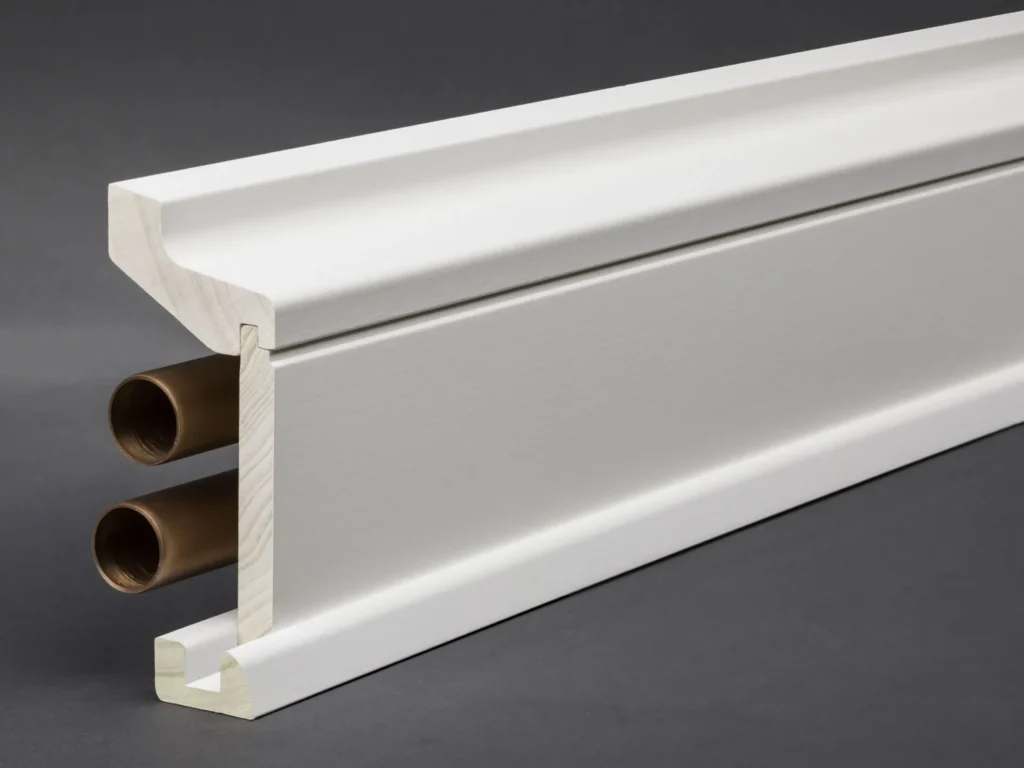
Pipe covering profiles are essential elements in both residential and commercial spaces, providing a sleek, clean, and protective finish for exposed pipes. Whether you’re renovating your home, designing a modern office, or improving the look of industrial settings, pipe coverings are an effective way to conceal unsightly pipes while enhancing the overall aesthetic of the space. In this guide, we will explore what pipe covering profiles are, the different types available, their benefits, and how to choose the right solution for your needs.
What Are Pipe Covering Profiles?
Pipe covering profiles are pre-fabricated materials designed to cover and protect exposed pipes in various applications. These profiles can be made from different materials, including PVC, aluminum, steel, and more, depending on the specific needs of the space. The main purpose of pipe covering profiles is to conceal pipes, protect them from external damage, and provide a more aesthetically pleasing look to the surrounding area.
These profiles come in a variety of shapes, sizes, and finishes, allowing for a custom fit that complements the design of your space. They are typically installed over pipes running along walls, ceilings, or floors, making them ideal for both decorative and functional purposes.
Benefits of Pipe Covering Profiles
1. Aesthetic Improvement
Pipe covering profiles are an excellent way to improve the appearance of your space. Exposed pipes, especially in modern industrial designs, can look out of place and disrupt the visual harmony of a room. Pipe covering profiles hide these pipes while giving the space a more polished and sophisticated look. Whether you’re going for a sleek, minimalistic design or a more traditional style, there’s a covering profile to match your aesthetic needs.
2. Protection for Pipes
One of the primary functions of pipe covering profiles is to protect the pipes themselves. Exposed pipes can be vulnerable to damage from accidental impacts, dirt, or corrosion. Pipe covers shield pipes from external elements, ensuring they remain in good condition and function properly over time.
3. Safety Enhancement
Exposed pipes, especially in high-traffic areas, can be a safety hazard. They pose a risk of tripping or injury, particularly if they’re positioned at waist height or lower. Pipe covering profiles help minimize this risk by covering sharp edges or protruding pipes, thus creating a safer environment.
4. Easy Maintenance
Pipes covered with protective profiles are easier to clean and maintain. By preventing dust, grime, or mold from accumulating directly on the pipes, these profiles reduce the need for frequent cleaning and upkeep. Additionally, some profiles are made from materials that are resistant to mold, water, or corrosion, making them ideal for damp or high-moisture environments.
5. Sound Insulation
Certain pipe covering profiles, particularly those designed with insulated materials, can help reduce noise from water flow or other activities within the pipes. This can be especially beneficial in spaces where noise control is important, such as offices, hospitals, or residential homes.
Types of Pipe Covering Profiles
There are several types of pipe covering profiles to choose from, each with its own unique features and benefits. Here are the most common options:
1. PVC Pipe Covering Profiles
PVC is one of the most popular materials for pipe covering profiles due to its lightweight, cost-effective, and easy-to-install nature. PVC profiles are available in a variety of finishes, including matte, gloss, and textured, making them versatile for different design styles. These profiles are resistant to moisture, making them ideal for kitchens, bathrooms, and basements.
2. Aluminum Pipe Covering Profiles
Aluminum profiles are durable, lightweight, and corrosion-resistant, making them an excellent choice for industrial or commercial applications. They offer a sleek, modern appearance and are available in a variety of shapes, including square, rectangular, and circular profiles. Aluminum pipe coverings are highly resistant to wear and can withstand high temperatures, making them suitable for areas with hot water pipes.
3. Steel Pipe Covering Profiles
Steel profiles offer enhanced durability and strength, making them ideal for heavy-duty applications. Steel pipe coverings are often used in factories, warehouses, and other industrial environments where pipes are exposed to frequent wear and tear. These profiles can also be used in residential settings, particularly if a more rugged, industrial look is desired.
4. Insulated Pipe Covering Profiles
Insulated profiles are designed to provide thermal insulation for pipes. These coverings help prevent heat loss or gain in pipes carrying hot or cold water, making them an energy-efficient option for both residential and commercial properties. Insulated pipe covering profiles also help reduce condensation, preventing moisture buildup and potential mold growth.
How to Choose the Right Pipe Covering Profile
Selecting the right pipe covering profile depends on several factors, such as the type of pipes you’re covering, the location of the pipes, and the design requirements of the space. Here are some tips to help you make the best choice:
1. Consider the Material
The material you choose should depend on the specific needs of the space. For example, if you’re working in a high-moisture area like a bathroom or kitchen, PVC or aluminum profiles may be the best option due to their moisture resistance. If durability and strength are essential, steel profiles may be the better choice for industrial or commercial applications.
2. Determine the Location
Think about where the pipes are located. For pipes running along the walls, a sleek, minimalistic profile may be preferred. For pipes in high-traffic areas or spaces that require additional protection, a more robust material like aluminum or steel might be a better fit.
3. Choose the Design and Finish
The design and finish of the pipe covering profile should complement the surrounding décor. Choose a profile that blends seamlessly with the walls, flooring, and furniture in the space. For a modern look, opt for a smooth, glossy finish, while textured profiles are better suited for traditional or rustic designs.
4. Consider Insulation Needs
If your pipes are carrying hot or cold liquids, you may want to consider insulated pipe covering profiles. These will help to maintain the temperature of the liquid in the pipes and prevent energy loss.
Installation of Pipe Covering Profiles
The installation process for pipe covering profiles is relatively straightforward, but it’s important to follow the manufacturer’s instructions carefully. Here’s a basic guide:
Step 1: Measure the Pipes
Measure the length and diameter of the pipes you intend to cover to ensure the profiles will fit correctly.
Step 2: Cut the Profiles
Most pipe covering profiles come in long strips that need to be cut to the appropriate size. Use a saw or cutter suitable for the material to make clean cuts.
Step 3: Prepare the Surface
Ensure the area around the pipes is clean and free from dust or debris. This will help the profiles adhere properly if adhesive is required.
Step 4: Apply the Profiles
Apply the pipe covering profiles to the pipes, using adhesive or fasteners as needed. Ensure they are securely in place.
Step 5: Finish the Edges
If necessary, finish the edges with trim or caulking to ensure a seamless, professional look.
Call to Action:
Ready to improve the look and function of your pipes? Our range of high-quality pipe covering profiles offers durable, stylish solutions for every need. Whether you’re remodeling your home, upgrading your office, or tackling a commercial project, we have the perfect profile for you. Contact us today to explore our collection and get expert advice on the best pipe coverings for your space!