Crown molding is a classic architectural feature that has been used for centuries to enhance the look of interiors. Whether in traditional or modern homes, crown molding adds elegance, depth, and value to any space. But beyond aesthetics, it serves several functional purposes.
In this blog, we’ll explore what crown molding is, why it is used, and its benefits in home design.
What Is Crown Molding?
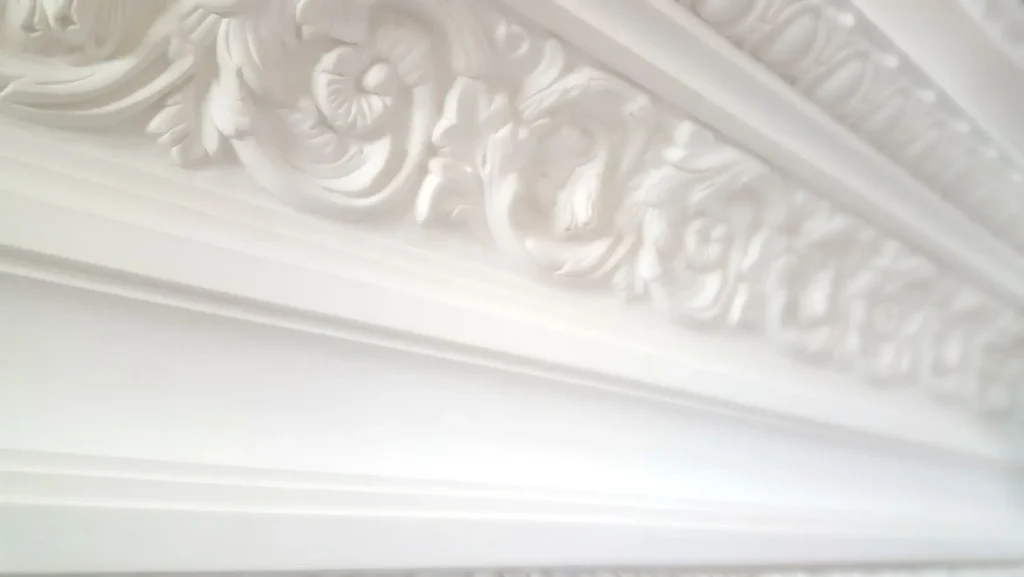
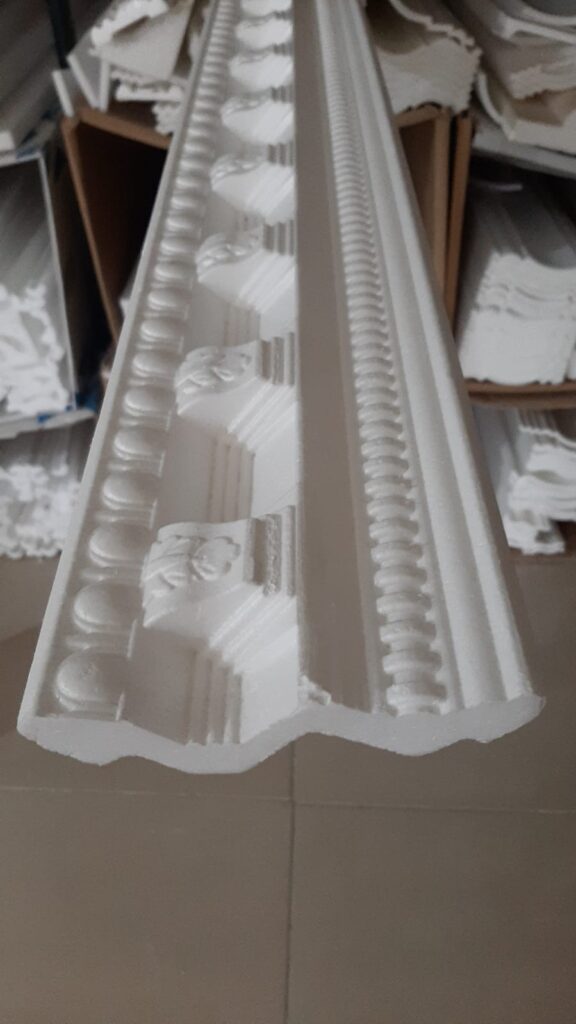
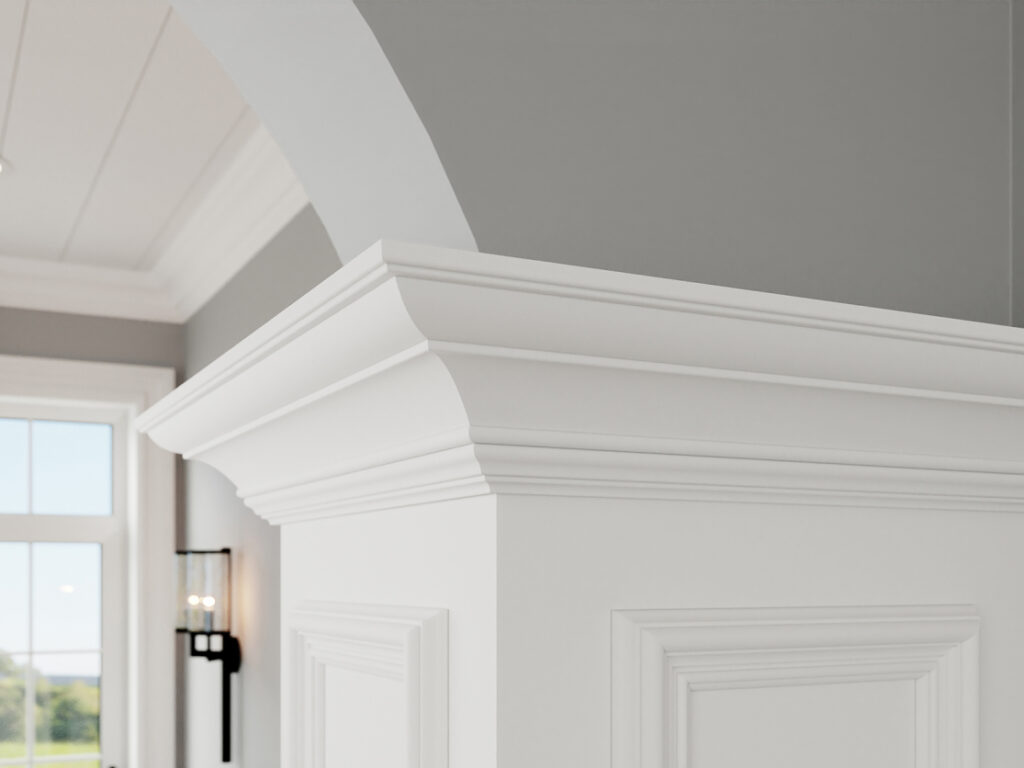
Crown molding is a decorative trim placed at the junction between the wall and ceiling. It comes in various materials, styles, and sizes, allowing homeowners and designers to achieve a customized look.
Common Materials for Crown Molding
- Wood – Classic and elegant but requires maintenance.
- MDF (Medium-Density Fiberboard) – Budget-friendly and easy to paint.
- Plaster – Perfect for detailed and intricate designs.
- PVC or Polyurethane – Lightweight, moisture-resistant, and ideal for bathrooms and kitchens.
- Styrofoam – Affordable and easy to install.
Each material has its advantages, but all serve the same core purpose: to add architectural interest and enhance a room’s overall appearance.
The Main Purposes of Crown Molding
1. Enhancing Aesthetic Appeal
The primary reason people install crown molding is its ability to add a refined, sophisticated look to a room. It frames the ceiling and adds a finished touch that makes any space feel more luxurious.
2. Creating a Seamless Transition
Crown molding softens the transition between walls and ceilings, hiding any imperfections or uneven surfaces that might exist.
3. Increasing Home Value
Installing crown molding is a cost-effective way to increase property value. It gives homes a high-end, custom-built appearance, which is attractive to potential buyers.
4. Enhancing the Height of a Room
Strategically placed crown molding can make low ceilings appear higher, giving a more spacious and airy feel to a room.
5. Covering Gaps and Imperfections
Over time, houses settle, which can cause small gaps between walls and ceilings. Crown molding effectively covers these imperfections, ensuring a clean and polished look.
6. Adding Character and Personality
From ornate traditional designs to sleek modern styles, crown molding complements any interior décor. It can be simple or highly decorative, depending on personal preference.
7. Functional Uses in Indirect Lighting
Crown molding is often used to hide LED strip lights, creating a beautiful, soft glow that enhances ambiance.
Benefits of Crown Molding in Home Design
✅ Versatility in Style
Crown molding works in various architectural styles, from classic Victorian to minimalist modern homes.
✅ Enhances Other Design Elements
It pairs well with wainscoting, baseboards, and chair rails, bringing cohesion to a home’s interior design.
✅ Easy Customization
Available in different materials, colors, and sizes, crown molding allows for personalized interior styling.
✅ Low Maintenance
Once installed, it requires minimal upkeep, aside from occasional dusting or repainting.
Conclusion
Crown molding is more than just a decorative trim—it’s a versatile design element that enhances aesthetics, hides imperfections, and adds value to a home. Whether you’re renovating or designing a new space, crown molding is a simple yet effective way to elevate your interior.
Would you consider adding crown molding to your home? Let us know in the comments!