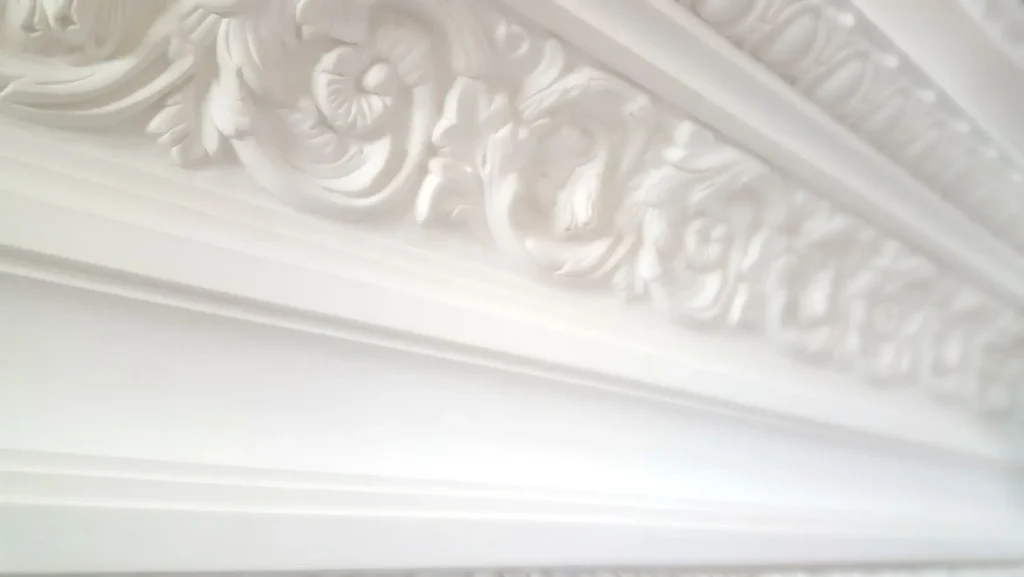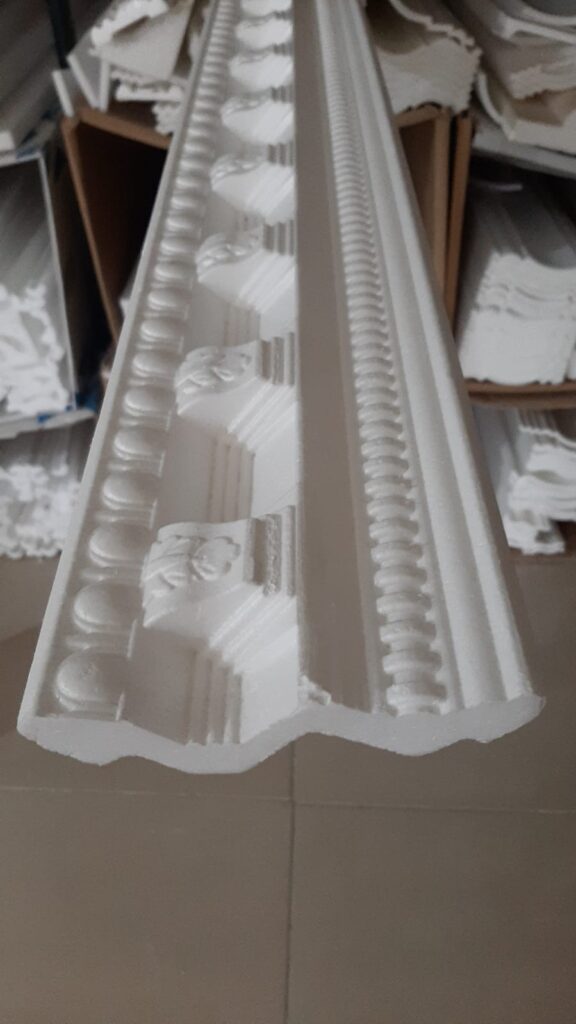

Crown molding is a decorative trim that enhances the elegance of walls and ceilings. It comes in various materials, each offering unique benefits in terms of cost, durability, and installation ease. Choosing the right material is essential for achieving both aesthetic appeal and long-term functionality.
In this guide, we’ll compare the most popular materials used for crown molding, helping you determine the best option for your space.
1. Wood Crown Molding
✔ Best for: Traditional and high-end interiors
Wood is a classic choice for crown molding, known for its rich, natural look and ability to be carved into intricate designs.
Pros:
✅ Durable and long-lasting
✅ Can be stained or painted
✅ Available in different wood types (pine, oak, mahogany, etc.)
✅ Adds a luxurious touch
Cons:
❌ Expensive, especially for hardwoods
❌ Requires regular maintenance to prevent warping
❌ Harder to install due to weight
💰 Price Range: $3 – $10 per linear foot (higher for exotic woods)
2. MDF (Medium-Density Fiberboard) Crown Molding
✔ Best for: Budget-friendly projects with a smooth finish
MDF is an engineered wood product made from compressed wood fibers. It’s one of the most affordable options for crown molding.
Pros:
✅ Cost-effective compared to solid wood
✅ Smooth surface for easy painting
✅ Lightweight and easy to install
Cons:
❌ Not moisture-resistant (not ideal for bathrooms or kitchens)
❌ Can chip or crack over time
❌ Less durable than real wood
💰 Price Range: $1 – $3 per linear foot
3. Plaster Crown Molding
✔ Best for: High-end, intricate designs
Plaster is a traditional, high-quality material that allows for extremely detailed and artistic molding.
Pros:
✅ Elegant and luxurious appearance
✅ Perfect for historic homes and custom designs
✅ Fire-resistant and highly durable
Cons:
❌ Very expensive
❌ Heavy and difficult to install
❌ Can crack over time if the structure shifts
💰 Price Range: $9 – $20 per linear foot
4. Polyurethane Crown Molding
✔ Best for: DIY-friendly, lightweight installations
Polyurethane is a lightweight, synthetic material that mimics the look of wood but is more affordable and easier to install.
Pros:
✅ Moisture-resistant (great for bathrooms and kitchens)
✅ Lightweight and easy to install
✅ Can be painted for a custom look
✅ Less expensive than plaster and wood
Cons:
❌ Can dent or get damaged more easily than wood
❌ May not have the same authentic feel as wood
💰 Price Range: $2 – $6 per linear foot
5. Styrofoam Crown Molding
✔ Best for: Ultra-budget projects and DIYers
Styrofoam is one of the cheapest and easiest materials to work with, making it a great option for temporary or low-cost installations.
Pros:
✅ Extremely lightweight (can be installed with glue)
✅ Very affordable
✅ DIY-friendly
Cons:
❌ Less durable than other materials
❌ Can get damaged easily
❌ May not provide a high-end look
💰 Price Range: $1 – $4 per linear foot
6. PVC Crown Molding
✔ Best for: Moisture-prone areas like bathrooms and kitchens
PVC (polyvinyl chloride) is a waterproof material, making it an ideal choice for humid environments.
Pros:
✅ Completely moisture-resistant
✅ Low maintenance and long-lasting
✅ Easy to clean and paint
Cons:
❌ Limited design options
❌ Can appear less refined than wood or plaster
💰 Price Range: $2 – $5 per linear foot
Material Comparison Table
| Material | Cost per Linear Foot | Durability | Installation Difficulty | Best For |
|---|---|---|---|---|
| Wood | $3 – $10+ | ⭐⭐⭐⭐⭐ | ❌ Difficult | Traditional, luxurious spaces |
| MDF | $1 – $3 | ⭐⭐⭐ | ✅ Easy | Budget-friendly projects |
| Plaster | $9 – $20 | ⭐⭐⭐⭐⭐ | ❌ Very difficult | High-end custom designs |
| Polyurethane | $2 – $6 | ⭐⭐⭐⭐ | ✅ Easy | DIY and moisture-prone areas |
| Styrofoam | $1 – $4 | ⭐⭐ | ✅ Very easy | Affordable, quick installation |
| PVC | $2 – $5 | ⭐⭐⭐⭐ | ✅ Easy | Bathrooms, kitchens, and humid areas |
How to Choose the Right Material
✔ For a premium, traditional look: Wood or Plaster
✔ For an affordable yet stylish option: MDF or Polyurethane
✔ For humid environments: PVC or Polyurethane
✔ For an ultra-budget solution: Styrofoam
✔ For easy DIY installation: Styrofoam or Polyurethane
Conclusion
Crown molding comes in a variety of materials, each with its pros and cons. Whether you’re looking for a luxurious wood trim, an affordable MDF alternative, or a moisture-resistant PVC solution, there’s an option to fit your budget and style.
Would you choose traditional wood or go for an easy-install polyurethane molding? Let us know in the comments!