When considering a home renovation or design project, the cost of cornice plaster is an important factor to take into account. Cornice plaster, which serves both an aesthetic and functional purpose in interior design, can vary in price based on several factors including materials, design complexity, installation, and location. In this blog, we’ll explore the cost analysis of cornice plaster, update pricing trends for 2025, and provide tips on how to get the best value for your investment.
Factors Affecting Cornice Plaster Pricing
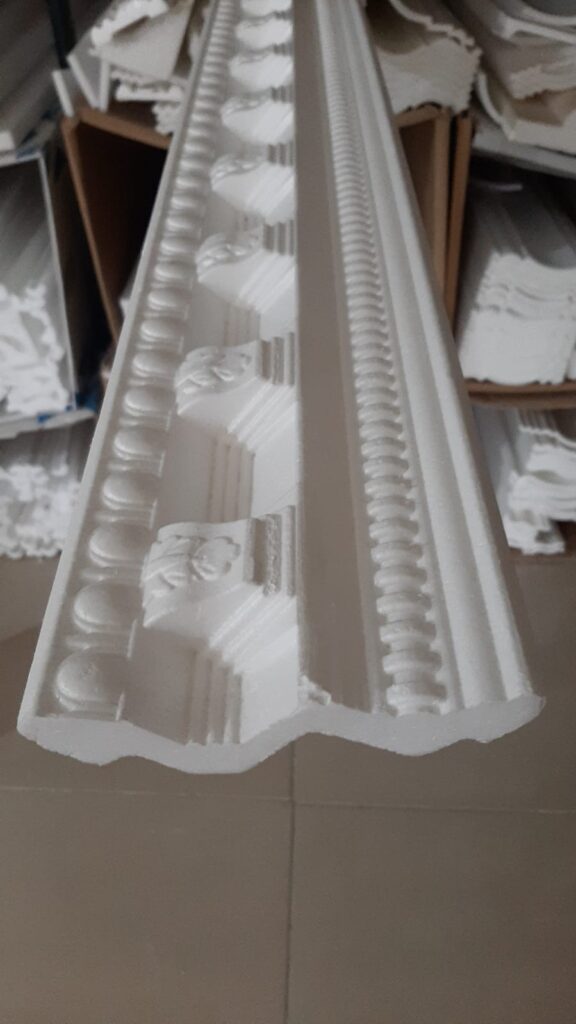
- Material Type: Cornices can be made from a variety of materials such as plaster, polyurethane, gypsum, or even polystyrene. The material chosen significantly impacts the price. Plaster cornices tend to be more expensive than polyurethane or styrofoam alternatives due to the labor-intensive production process and durability. Gypsum cornices are also a popular choice for those seeking an affordable yet high-quality option. The material not only affects the price but also the final look and finish of the ceiling.
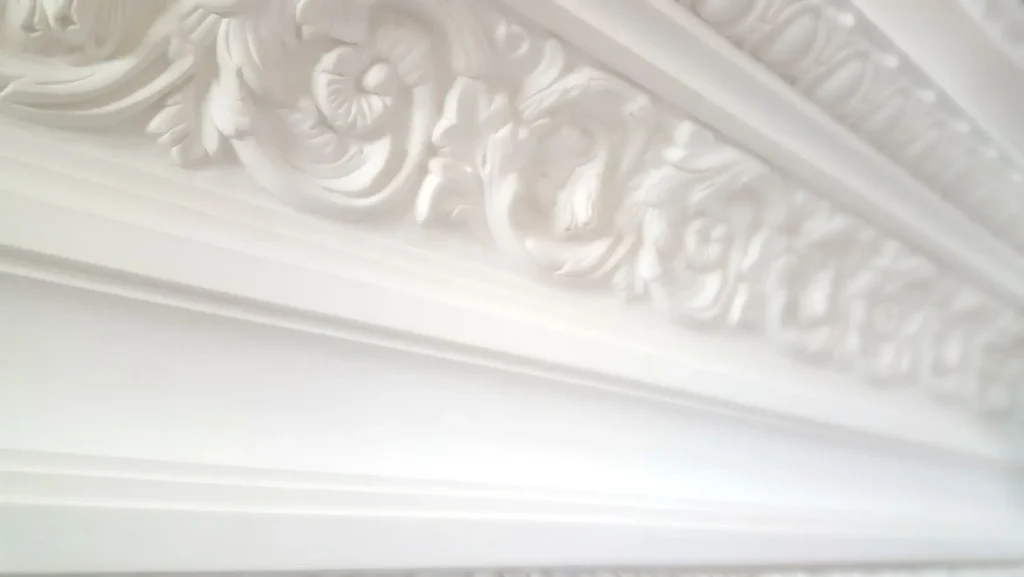
- Design Complexity: Simple, straight cornices are less expensive than intricate, custom-designed patterns. The more detailed the design—whether it includes curved lines, floral motifs, or other decorative elements—the higher the price. Custom-made cornices that require specialized molding and craftsmanship will incur higher costs due to labor and material requirements.
- Size of the Space: The size of the area where the cornices will be installed is another determining factor in the overall price. Larger rooms, especially those with higher ceilings, require more material and additional labor, thus increasing costs. It’s essential to calculate the total perimeter of the ceiling and factor this into the price when planning your budget.
- Labor Costs: Installation is a key component of the total cost. While plaster cornices are durable and long-lasting, they are more labor-intensive to install compared to lighter materials like foam. Skilled plaster craftsmen need to take the time to properly apply and finish the cornices, ensuring a seamless and professional look. Labor costs can vary depending on your location and the expertise required, but typically, the more intricate the installation, the higher the price.
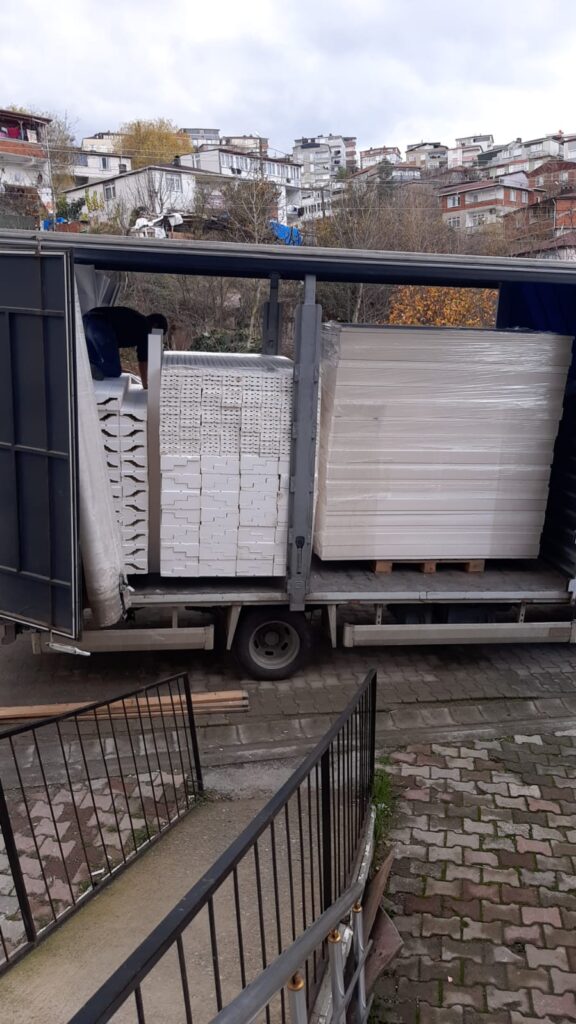
- Geographical Location: Prices can vary by location due to differences in labor costs, material availability, and regional demand. In metropolitan areas or locations with a higher cost of living, the price for cornice plaster installation may be higher compared to rural areas. Additionally, transportation costs for materials can affect the overall price.
Cornice Plaster Pricing Trends for 2025
As we move into 2025, there are a few key trends in the cornice plaster market that may influence pricing:
- Rising Material Costs: The cost of raw materials used in plaster production, such as gypsum and lime, has been increasing in recent years. This trend is expected to continue in 2025, which may cause an increase in the price of plaster cornices. Global supply chain issues, inflation, and demand for construction materials are likely to keep material prices on the rise.
- Increased Demand for Custom Designs: As more homeowners and designers seek unique, personalized interiors, the demand for custom-made cornices is growing. While this offers a wide range of design possibilities, it also means higher prices, as specialized craftsmanship and bespoke designs will incur additional labor costs.
- Alternative Materials Gaining Popularity: Materials such as polyurethane, polystyrene, and gypsum-based cornices have become more popular due to their affordability and ease of installation. These materials offer lower upfront costs compared to traditional plaster and are lighter, making them easier to handle. As a result, they may be preferred by budget-conscious consumers looking for a cost-effective alternative to plaster.
- Labor Shortages Impacting Prices: The construction industry, including specialized trades like cornice installation, has been experiencing a labor shortage in many regions. As a result, finding skilled plaster installers can be more difficult and expensive, leading to higher installation prices in 2025.
Average Cornice Plaster Price in 2025
In 2025, the average cost of cornice plaster is expected to range from $3 to $7 per linear foot, depending on the material and design. For standard plaster cornices, the cost is generally higher due to the material and labor involved. For custom or intricate designs, the price may range from $8 to $15 per linear foot or more. Installation costs typically add another $2 to $4 per linear foot, depending on the complexity of the job.
For a standard 10×10-foot room, you might expect to pay anywhere between $200 and $600 for materials alone, with additional labor costs adding $300 to $600 for installation. However, if you opt for custom designs or premium materials, the total cost can increase significantly.
How to Get the Best Value for Your Cornice Plaster Project
- Get Multiple Quotes: Always obtain quotes from at least three contractors to compare prices for materials and installation. This will help you understand the going rate in your area and choose a contractor that offers the best value for your budget.
- Choose a Standard Design: While custom cornices are beautiful, opting for standard designs can save you a significant amount of money. Standard cornices offer a similar aesthetic with fewer costs.
- Consider Alternative Materials: If you’re working with a tight budget, consider exploring alternative materials like polyurethane or polystyrene, which are more affordable but still offer a quality finish.
- Plan Ahead: Purchasing materials in bulk or during sales events can help reduce costs. Additionally, scheduling your installation during off-peak seasons may help you secure better prices.
Conclusion
Cornice plaster ceilings are a beautiful and functional addition to any space, but it’s essential to consider all the factors that impact pricing. As we move into 2025, material costs, design complexity, and labor availability will continue to influence prices. By understanding these factors and planning your project carefully, you can achieve an elegant look for your ceilings without exceeding your budget.