Cornices are an essential element in interior design, offering both decorative and practical functions. They are installed where the wall meets the ceiling and serve to enhance the room’s aesthetics while masking any imperfections or gaps. Cornices come in a variety of styles and materials, each offering different design effects. Understanding the three main types of cornices will help you choose the best option for your space, whether you’re aiming for a traditional, modern, or minimalist look.
In this blog, we’ll take a closer look at the three most common types of cornices: plaster cornices, wooden cornices, and modern synthetic cornices. We’ll explore their features, uses, and the benefits of each, allowing you to make an informed decision for your next home improvement project.
1. Plaster Cornices
What Are Plaster Cornices?
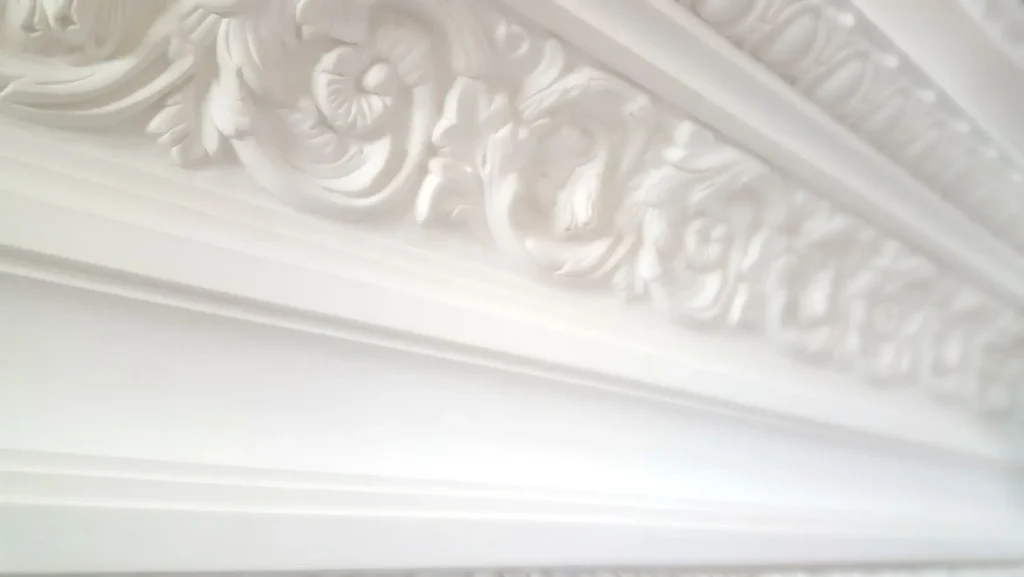
Plaster cornices are traditional mouldings made from plaster, a material that has been used in architecture for centuries. These cornices are typically crafted on-site by skilled craftsmen who apply layers of plaster over a frame to create intricate, detailed designs. Plaster cornices are well-known for their durability and ability to achieve complex, decorative patterns that add a touch of elegance and sophistication to any room.
Benefits of Plaster Cornices
- Classic Elegance: Plaster cornices are the epitome of classical interior design. Their finely detailed patterns can range from simple, clean lines to highly ornate motifs, making them ideal for period properties or grand, traditional spaces.
- Durability: Plaster is a sturdy material, and plaster cornices are known to last for decades without significant wear. With proper care, they can withstand the test of time, adding lasting value to your home.
- Customization: Since plaster cornices are crafted by hand, they can be fully customized to suit the specific needs of your room. Whether you need a unique design to match existing architecture or a custom size for your space, plaster cornices offer exceptional flexibility.
Where to Use Plaster Cornices
Plaster cornices are particularly well-suited for older homes, particularly those with high ceilings and period features. They work well in living rooms, dining rooms, and formal spaces where their timeless appeal can be fully appreciated. Plaster cornices are also perfect for creating a grandiose atmosphere in large spaces such as ballrooms or high-ceilinged hallways.
2. Wooden Cornices
What Are Wooden Cornices?
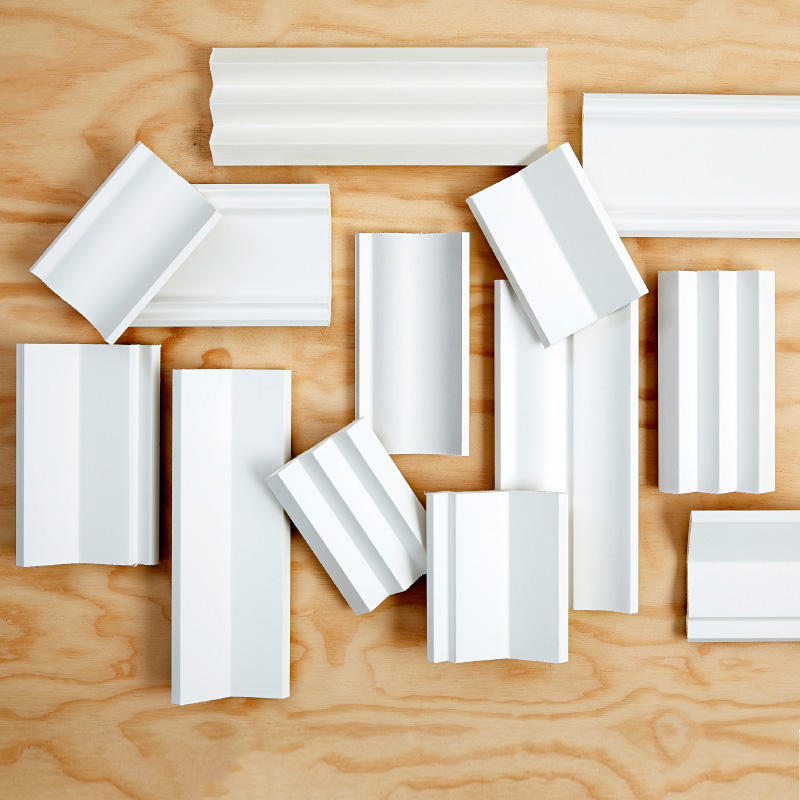
Wooden cornices are made from solid wood or wood-based materials like MDF (Medium-Density Fiberboard). These cornices offer a more rustic or contemporary feel depending on the type of wood and finish chosen. Unlike plaster cornices, wooden cornices are generally pre-fabricated and come in a wide range of styles, from simple and sleek designs to more intricate carvings and mouldings. They are often favored for their warmth and natural appeal.
Benefits of Wooden Cornices
- Natural Warmth: Wood brings a natural and inviting warmth to a room. Wooden cornices complement wooden flooring, furniture, and other interior design elements, helping to create a cohesive and harmonious look.
- Easy to Install: Unlike plaster cornices, which require skilled craftsmen to install, wooden cornices are much easier to handle. They come in pre-fabricated lengths that can be easily cut to size and attached to the ceiling, making them a quicker and more affordable option for homeowners and DIY enthusiasts.
- Versatility: Wooden cornices are incredibly versatile. They can be stained or painted to match the color scheme of your room. Whether you’re aiming for a modern or traditional look, wooden cornices can fit seamlessly into various design schemes.
Where to Use Wooden Cornices
Wooden cornices work particularly well in spaces that feature wood accents, such as hardwood floors, wooden furniture, or exposed beams. They are ideal for rooms with a more natural or rustic aesthetic, including living rooms, kitchens, and bedrooms. Wooden cornices can also complement modern minimalist interiors, where their simple design can add subtle elegance.
3. Modern Synthetic Cornices
What Are Modern Synthetic Cornices?
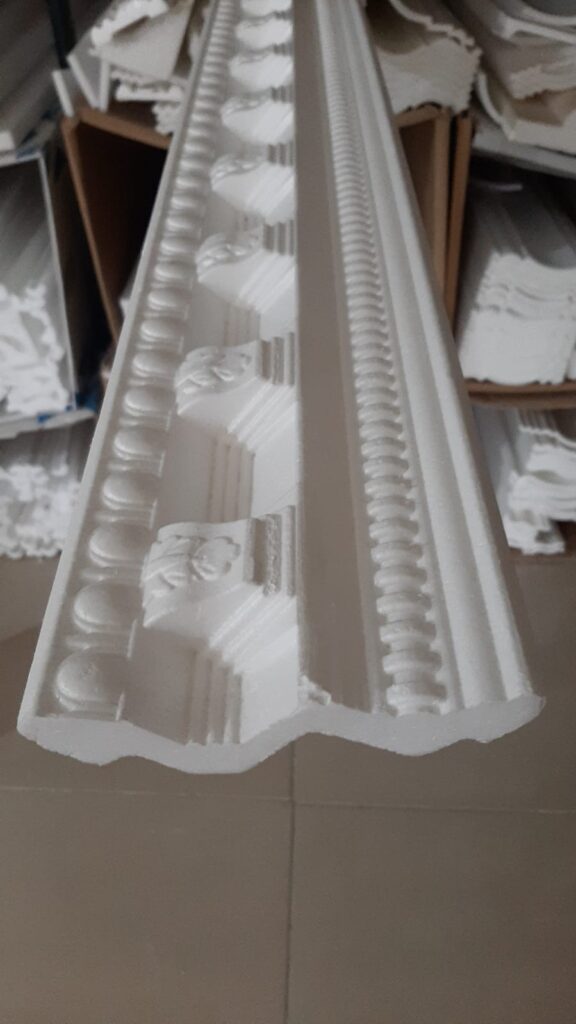
Modern synthetic cornices are made from lightweight materials such as polyurethane, polystyrene, or expanded polystyrene. These materials are engineered to mimic the look of traditional plaster or wood but are far lighter and easier to install. Synthetic cornices come in a variety of designs, including both traditional and contemporary styles. They can be painted to match the room’s décor, and their versatility makes them popular in modern interiors.
Benefits of Modern Synthetic Cornices
- Lightweight and Easy to Install: One of the main advantages of synthetic cornices is their light weight. This makes them easier and quicker to install compared to plaster or wood. Synthetic cornices can be easily cut to size and fixed into place with adhesive or nails, making them a popular choice for DIY projects.
- Cost-Effective: Synthetic cornices are generally more affordable than plaster or wood, making them a cost-effective option for homeowners who want to achieve the same stylish look without the higher price tag. They are also less labor-intensive to install, which further reduces costs.
- Moisture and Rot Resistance: Synthetic materials like polyurethane and polystyrene are resistant to moisture and rot, making them ideal for use in areas like bathrooms and kitchens where traditional materials may be susceptible to water damage.
- Durability: Although lighter in weight, synthetic cornices are still quite durable and can last for many years with proper care. They are resistant to cracking and chipping, which is a common issue with plaster cornices.
Where to Use Synthetic Cornices
Modern synthetic cornices are ideal for contemporary and minimalist interiors where a sleek and subtle design is desired. They are also perfect for high-humidity areas like kitchens, bathrooms, and basements, where the resistance to moisture is a crucial benefit. Additionally, synthetic cornices can be used in rental properties, commercial spaces, or properties that undergo regular renovations due to their ease of installation and affordability.
Which Type of Cornice Is Right for You?
Choosing the right type of cornice depends on several factors, including the style of your room, the materials already used in your space, and your budget. Here’s a brief guide to help you decide:
- Go for plaster cornices if you want a classic, luxurious look that adds historical value to your home.
- Choose wooden cornices if you want a natural, warm look that complements wooden features and offers a timeless appeal.
- Opt for modern synthetic cornices if you’re looking for an affordable, easy-to-install option that works in a variety of styles, including moisture-prone areas.
Each type of cornice offers unique benefits, so consider your design preferences and practical needs before making a final decision. By choosing the right cornice, you can transform the look and feel of your space while enhancing its functionality.