When it comes to interior design, both cornices and coving are popular choices for finishing the junction between the wall and ceiling. These two decorative mouldings are often confused with one another due to their similar purpose and placement in the home. However, while they both serve to enhance the aesthetic appeal of a room, there are key differences in terms of design, style, and function. Understanding the distinction between cornice and coving will help you choose the best option for your home’s interior design.
In this blog, we’ll explore the differences between cornice and coving, focusing on their features, uses, and the impact each has on a room’s overall appearance.
What Is a Cornice?
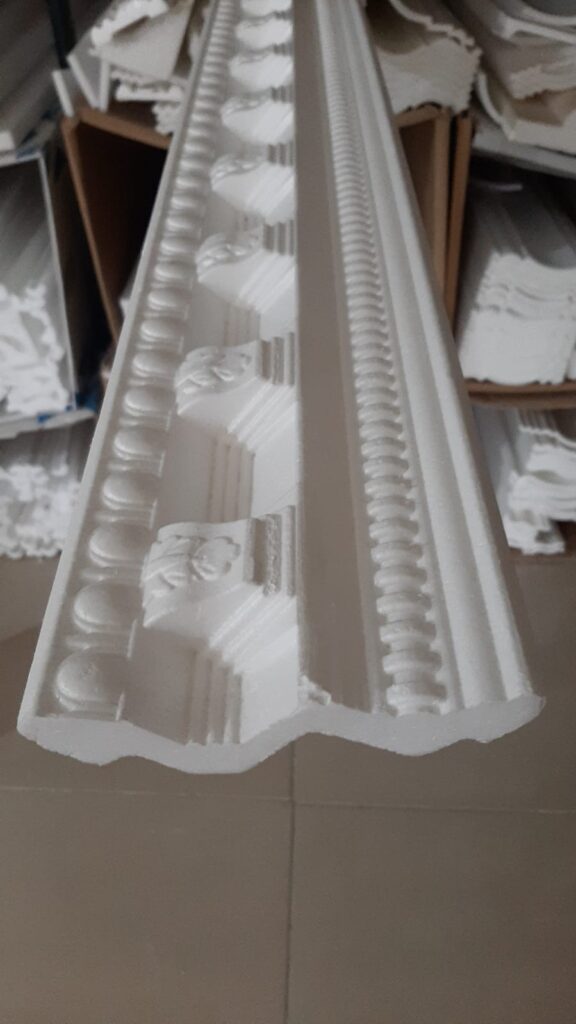
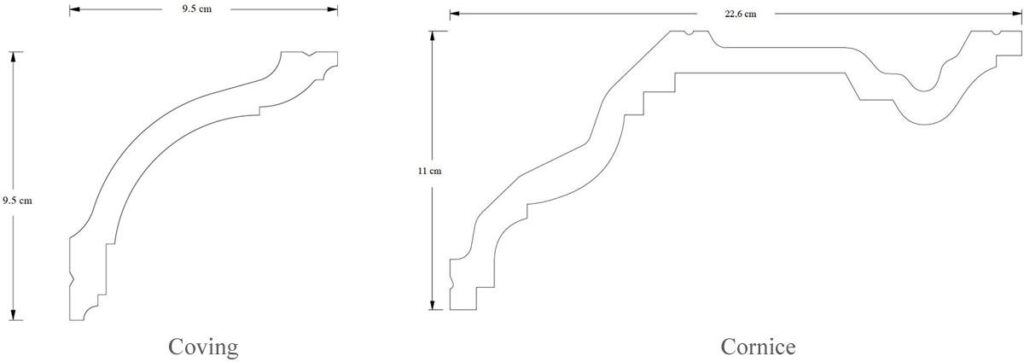
A cornice is a decorative moulding that is installed where the wall meets the ceiling, typically at the top of a room. It is usually larger and more intricate than coving and often features detailed, ornamental designs. Cornices are commonly associated with more traditional or classical interior styles, and they can add an element of grandeur to a room.
Features of a Cornice
- Size and Design: Cornices tend to be larger and more elaborate than coving. They often feature detailed patterns such as floral motifs, scrolls, or other intricate carvings, making them suitable for more formal or period-style homes.
- Material: Cornices are typically made from materials such as plaster, wood, or synthetic alternatives like polyurethane or polystyrene. Plaster cornices, in particular, are known for their durability and ability to create ornate, customized designs.
- Function: Cornices are designed to enhance the aesthetics of a room by providing a decorative transition between the wall and ceiling. They are particularly effective in high-ceilinged rooms, adding an element of elegance and grandeur. Additionally, cornices can help conceal lighting fixtures, pipes, or other structural elements.
Common Uses of Cornices
- Traditional, formal spaces such as dining rooms or drawing rooms
- Rooms with high or vaulted ceilings, where their larger size makes a more significant impact
- Period properties or homes with historical features that require a more decorative and luxurious finish
What Is Coving?
Coving is another type of moulding that is installed at the junction of the wall and ceiling. Unlike cornices, coving typically has a simpler, more rounded or concave design, giving it a softer and more understated appearance. Coving is often associated with more contemporary or minimalist interiors, though it can still be used in traditional settings depending on the style.
Features of Coving
- Size and Design: Coving is usually smaller and simpler than a cornice, with a rounded or curved profile that creates a smooth, clean transition between the wall and ceiling. It is often less ornate and more subtle in appearance.
- Material: Coving is commonly made from lightweight materials such as plaster, polystyrene, or polyurethane. These materials make coving easy to install and cost-effective compared to more elaborate cornices.
- Function: The primary function of coving is to soften the sharp angle between the wall and ceiling, providing a more fluid and harmonious look. Coving is often used in smaller rooms or spaces where a simpler design is preferred. It can also be employed to conceal minor imperfections where the wall and ceiling meet.
Common Uses of Coving
- Modern or minimalist interiors where subtlety and simplicity are desired
- Smaller rooms or spaces where the design should not overpower the room’s features
- Areas that require a more straightforward and cost-effective finishing solution
Key Differences Between Cornice and Coving
1. Design Complexity
- Cornices are typically larger, more intricate, and decorative. They may feature elaborate carvings, floral patterns, or other ornamental details, making them ideal for grand, formal rooms or period-style homes.
- Coving, on the other hand, has a much simpler, more streamlined design. It often features a smooth, concave curve or a rounded profile that provides a more understated look.
2. Size
- Cornices are usually bulkier and more prominent, often extending a few inches from the wall. Their size makes them suitable for larger rooms or spaces with high ceilings, where they can be appreciated as a focal point.
- Coving is smaller and more subtle. It is typically used in spaces with lower ceilings or in areas where a simpler design is preferred. Coving tends to sit closer to the ceiling and doesn’t protrude as much as a cornice.
3. Material
- Cornices are often made from traditional materials like plaster or wood, although modern synthetic options like polyurethane are also available. Plaster cornices, in particular, offer the ability to create intricate, customized designs.
- Coving is often made from lighter, more affordable materials like plaster, polystyrene, or polyurethane, which makes it easier to install and more cost-effective than cornices.
4. Function and Aesthetic Impact
- Cornices not only conceal gaps and imperfections but also add a significant decorative element to a room. They are particularly suited for spaces where the goal is to create an elegant, sophisticated atmosphere.
- Coving is generally used to create a subtle, smooth transition between the wall and ceiling. It helps soften the room’s appearance without drawing too much attention, making it suitable for more contemporary or casual spaces.
5. Installation
- Cornices are generally more complex to install due to their larger size and intricate designs. They may require professional installation, especially in the case of plaster cornices, which need to be moulded on-site.
- Coving, being lighter and simpler, is easier to install and can often be handled by DIYers. Many coving styles come in pre-fabricated lengths, making them quick and simple to install.
Which Should You Choose: Cornice or Coving?
Choosing between a cornice and coving depends on the style, size, and function of the room you are decorating. Here are some considerations to help you make the right choice:
- Choose a cornice if you want a more ornate, detailed finish and have a larger room or high ceilings that can accommodate the visual impact of a decorative feature. Cornices are ideal for traditional or period-style interiors that call for a sense of grandeur.
- Choose coving if you prefer a more subtle, simple design that works well in smaller rooms or modern spaces. Coving is also ideal if you’re working on a budget and need a more cost-effective and easy-to-install option.
Both cornices and coving can elevate the look of a room and provide a seamless, polished finish, but they each serve different purposes in terms of design and style. Consider the size, design, and overall aesthetic of your room before deciding on the best option for your space.