Crown molding is an excellent way to enhance the look of a room, adding architectural detail and elegance. However, with so many materials, styles, and installation methods available, choosing the best type can be overwhelming.
In this guide, we’ll break down the most popular types of crown molding, their pros and cons, and which one is best suited for your space.
1. Wood Crown Molding
Wood is a classic choice for crown molding, often found in traditional and upscale interiors. It comes in a variety of wood types, including pine, oak, maple, and mahogany.
✅ Pros:
✔ Elegant and natural appearance
✔ Can be stained or painted to match your décor
✔ Strong and durable
✔ Easy to cut and install
❌ Cons:
✖ Can be expensive, especially for hardwoods
✖ Susceptible to moisture damage and warping (not ideal for bathrooms or kitchens)
✖ Heavier than other materials, requiring secure installation
💡 Best For: High-end homes, classic and rustic interiors, and areas where durability is needed.
2. MDF (Medium-Density Fiberboard) Crown Molding
MDF is a budget-friendly alternative to wood, made from compressed wood fibers and resin. It is commonly used in modern interiors and can be easily painted.
✅ Pros:
✔ More affordable than natural wood
✔ Smooth surface, perfect for painting
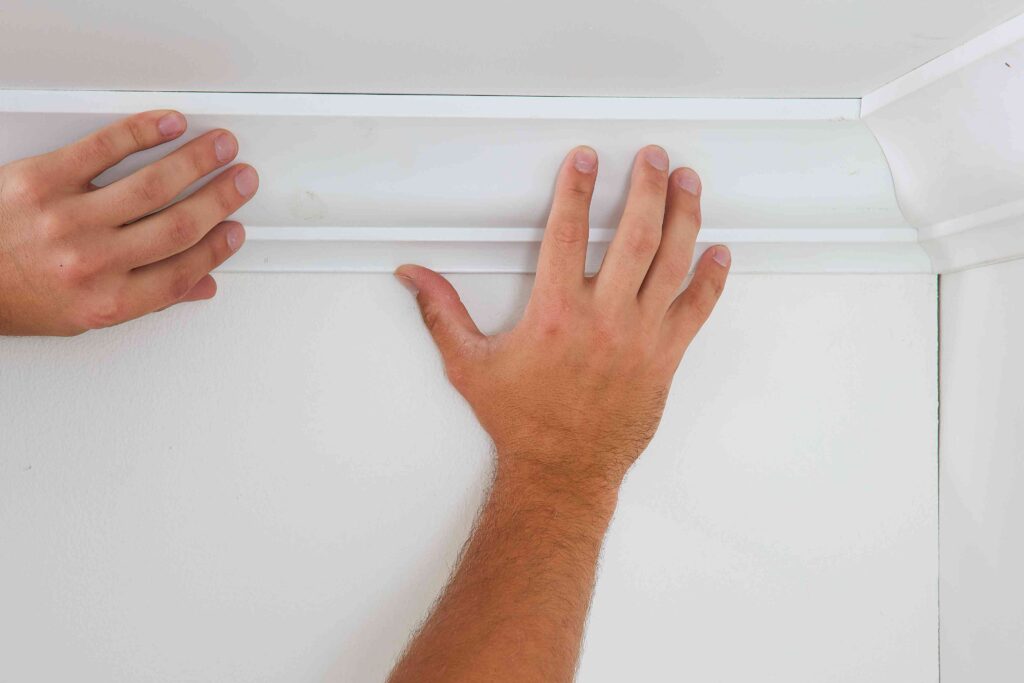
✔ Lightweight and easy to install
✔ Does not warp as easily as natural wood
❌ Cons:
✖ Cannot be stained, only painted
✖ Less durable than real wood—can chip or crack over time
✖ Not moisture-resistant—not ideal for humid areas
💡 Best For: Homeowners looking for an affordable and paintable crown molding option with a smooth finish.
3. Plaster Crown Molding
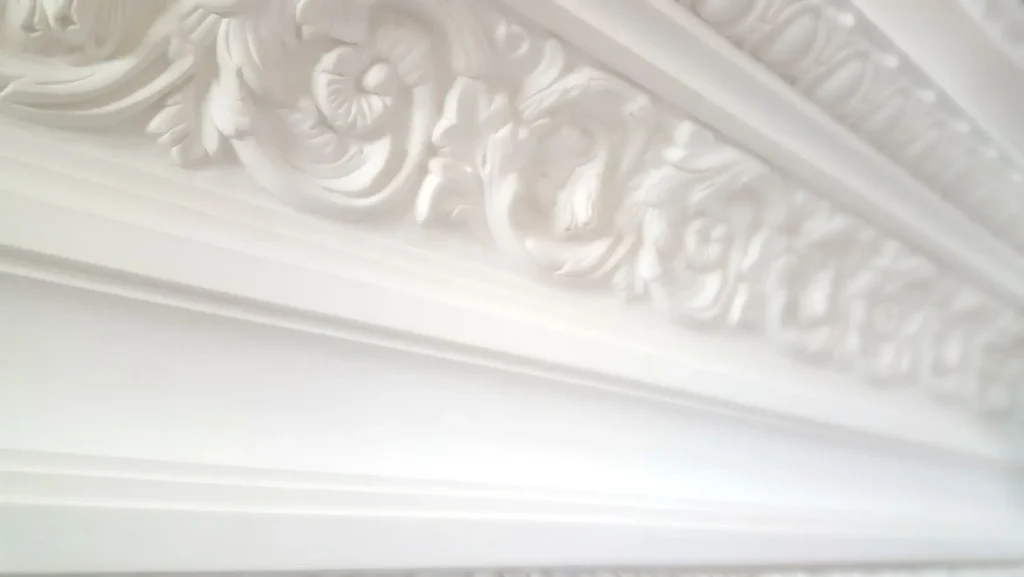
Plaster crown molding is known for its intricate and detailed designs, making it a perfect choice for luxurious interiors. It is often used in historical and classical architecture.
✅ Pros:
✔ Highly durable and long-lasting
✔ Can be crafted into ornate, intricate designs
✔ Fire-resistant and moisture-resistant
✔ Creates a high-end, luxurious look
❌ Cons:
✖ Expensive and labor-intensive to install
✖ Requires professional installation due to its weight
✖ Can crack over time, especially in homes with shifting foundations
💡 Best For: Luxury homes, historical restorations, and elegant spaces requiring intricate detailing.
4. Polyurethane Crown Molding
Polyurethane is a lightweight synthetic material that mimics the look of wood or plaster without the high cost or maintenance issues.
✅ Pros:
✔ Resistant to moisture and insects—great for bathrooms and kitchens
✔ Affordable compared to wood and plaster
✔ Lightweight, making it easy to install
✔ Comes in a variety of styles and designs
❌ Cons:
✖ Cannot be stained like wood
✖ Can be damaged by impact, as it’s not as strong as real wood
✖ Some cheaper versions may look less authentic
💡 Best For: DIY enthusiasts, budget-friendly projects, and humid areas like kitchens and bathrooms.
5. Styrofoam Crown Molding
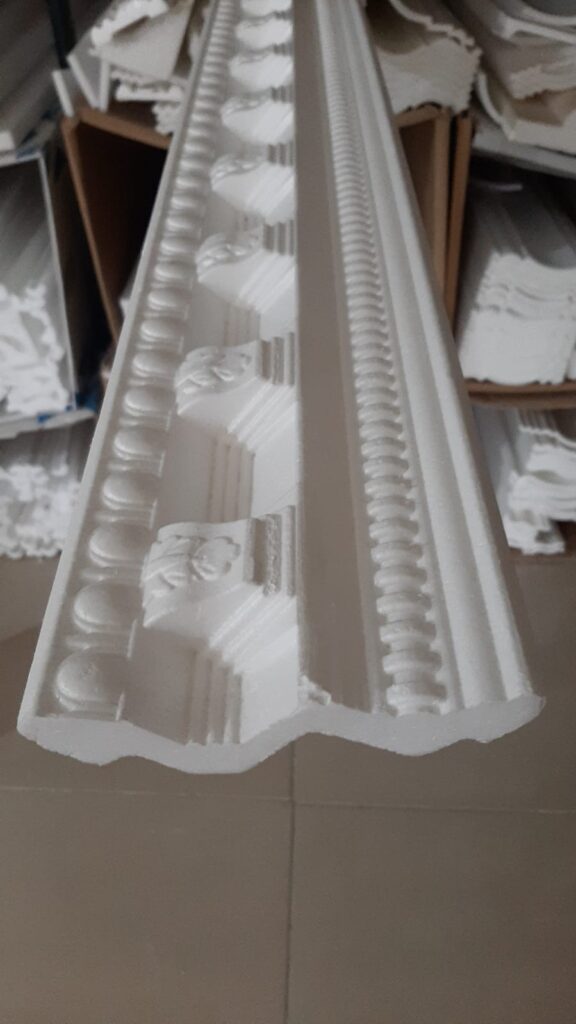
Styrofoam molding is a super-lightweight and budget-friendly option. It is often used in DIY projects and modern renovations.
✅ Pros:
✔ Extremely lightweight and easy to install—perfect for DIYers
✔ Can be painted to match any interior
✔ Budget-friendly compared to other materials
✔ Doesn’t require heavy-duty adhesives or nails
❌ Cons:
✖ Not as durable as wood or plaster
✖ Can be easily dented or damaged
✖ Limited design options compared to plaster or wood
💡 Best For: Quick and affordable home upgrades, renters, and DIY decorators.
6. PVC (Plastic) Crown Molding
PVC crown molding is made of plastic and is often used in bathrooms, kitchens, and outdoor spaces because of its moisture resistance.
✅ Pros:
✔ Waterproof and ideal for humid environments
✔ Resistant to mold, mildew, and insects
✔ Affordable and low-maintenance
✔ Easy to clean
❌ Cons:
✖ Limited design options compared to wood or plaster
✖ Can have a plastic-like appearance if not painted properly
✖ Less durable than wood or MDF
💡 Best For: Bathrooms, kitchens, and outdoor spaces where moisture is a concern.
Comparison Chart: Which Crown Molding Is Right for You?
| Type | Pros | Cons | Best For |
|---|---|---|---|
| Wood | Classic, durable, paintable/stainable | Expensive, can warp in humidity | Luxury homes, traditional designs |
| MDF | Budget-friendly, smooth surface, easy to paint | Less durable, not moisture-resistant | Affordable, modern interiors |
| Plaster | Highly detailed, fire-resistant, elegant | Expensive, cracks over time | Historical homes, luxury spaces |
| Polyurethane | Lightweight, moisture-resistant, affordable | Not as strong, can’t be stained | DIY projects, kitchens, bathrooms |
| Styrofoam | Very lightweight, inexpensive, DIY-friendly | Less durable, limited designs | Temporary or budget-friendly upgrades |
| PVC (Plastic) | Waterproof, low-maintenance | Plastic-like appearance, limited styles | Bathrooms, kitchens, outdoor use |
Final Thoughts: Which Crown Molding Should You Choose?
The best type of crown molding depends on your budget, design preference, and installation needs.
🏡 For a luxurious and timeless look: Choose plaster or solid wood.
💰 For a budget-friendly alternative: MDF or polyurethane is a great option.
🚿 For moisture-prone areas like kitchens and bathrooms: Go with PVC or polyurethane.
🔨 For a DIY-friendly installation: Styrofoam or polyurethane is the easiest to work with.