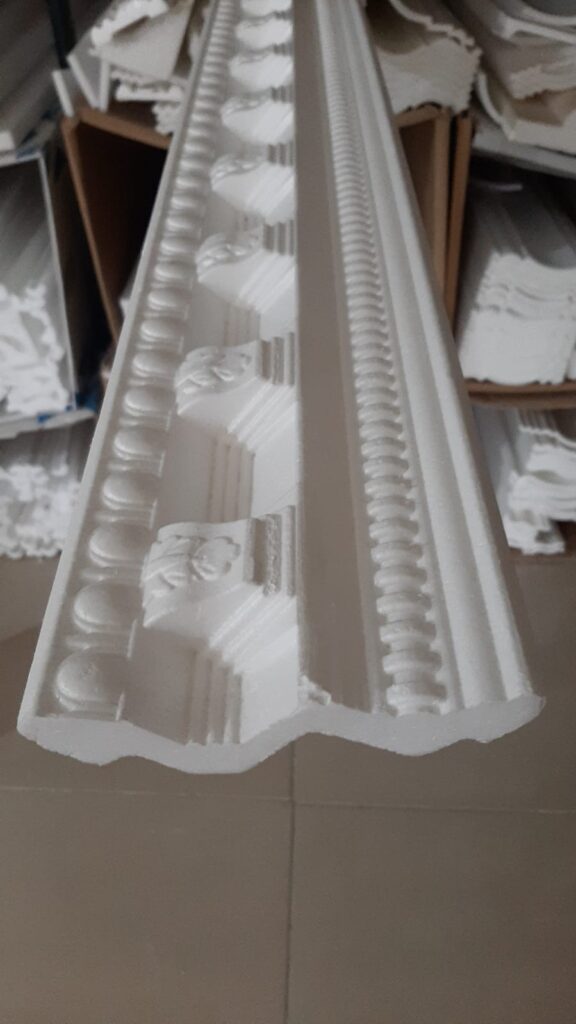
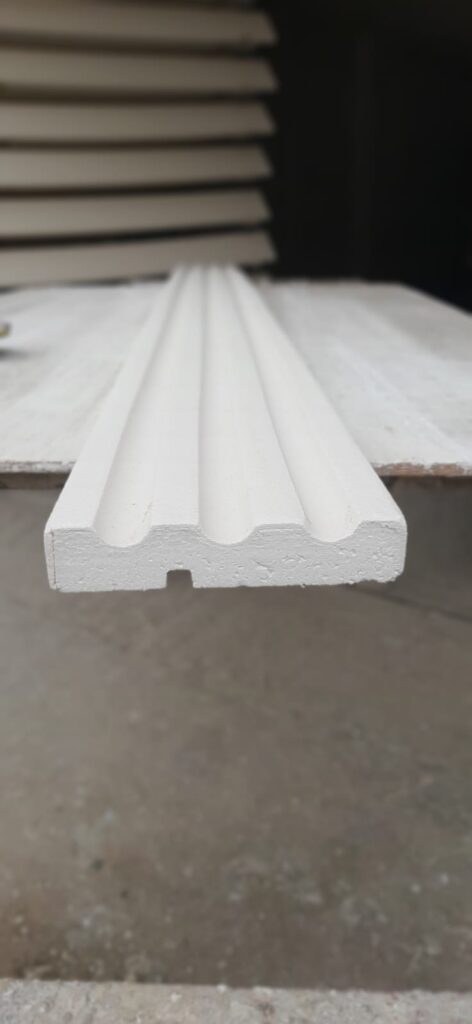
Foam is a widely used material for molding due to its versatility, lightweight nature, and ability to be shaped into complex designs. Whether for architectural elements, decorative trims, or craft projects, foam molding has gained popularity across industries for its ease of use and cost-effectiveness. However, not all foam is created equal, and understanding the different types of foam used in molding is crucial for choosing the right material for your project. In this comprehensive guide, we will explore the various types of foam used for molding, their properties, and the best applications for each.
Types of Foam Used for Moulding
- Expanded Polystyrene (EPS)
Overview: Expanded Polystyrene (EPS) is one of the most commonly used types of foam for molding. It’s a lightweight, rigid foam that is made by expanding small beads of polystyrene with steam. The expanded beads fuse together to form a solid block that can be cut, shaped, and molded into various shapes and sizes.
Properties:
- Lightweight
- High compressive strength
- Insulating properties
- Resistant to water and moisture
- Easy to mold into different shapes
- Can be painted and finished
Applications: EPS is ideal for a wide range of molding applications, including:
- Architectural Molding: EPS is frequently used for crown moldings, baseboards, and other decorative elements in residential and commercial interiors. It can be shaped to mimic wood, stone, or plaster, providing an elegant look at a more affordable price.
- Exterior Molding: EPS is also used for exterior trims, window casings, and facade enhancements due to its resistance to the elements. It’s often coated with weather-resistant finishes to improve durability.
- Crafts and DIY Projects: Styrofoam molding, which is made from EPS, is commonly used for arts and crafts, such as creating models, sculptures, or furniture details.
Advantages:
- Cost-effective
- Lightweight and easy to handle
- Easily customizable with different textures and finishes
- Resistant to pests and rot
- Extruded Polystyrene (XPS)
Overview: Extruded Polystyrene (XPS) is another form of polystyrene foam, but it differs from EPS in the manufacturing process. XPS is produced by extruding polystyrene through a mold, which creates a denser and more uniform material compared to EPS. It is known for its smooth surface and strength.
Properties:
- Higher density and strength than EPS
- Excellent thermal insulation
- Moisture-resistant
- Less porous than EPS, which results in a smooth surface
Applications: XPS is used in a variety of molding applications, including:
- Exterior Molding: Due to its moisture resistance, XPS is a good option for exterior moldings that will be exposed to the elements. It is often used in applications like decorative trim, corner moldings, and window surrounds.
- Insulation Panels: XPS is primarily used for insulation purposes, but it can also be molded into specific shapes and sizes for custom projects that require both strength and thermal efficiency.
Advantages:
- High moisture resistance
- Greater strength and durability than EPS
- Smooth, uniform surface ideal for high-end finishes
- Provides good insulation properties
- Polyurethane Foam
Overview: Polyurethane foam is a flexible, durable foam material commonly used for molding in various industries. Unlike EPS and XPS, polyurethane foam is typically produced in liquid form and then poured into molds to form a solid structure. It is more rigid than flexible foams but still has some elasticity.
Properties:
- Lightweight and durable
- Highly customizable in terms of hardness and density
- Can be molded into intricate shapes
- Excellent for detailed and finely finished designs
Applications: Polyurethane foam is used in molding for:
- Furniture Design: Polyurethane foam is often used to create detailed furniture moldings and accents. It can be molded into intricate patterns, making it ideal for creating ornamental trim and decorative accents.
- Architectural Molding: This foam is used for both interior and exterior moldings, including decorative crown moldings, column bases, and decorative medallions. It provides a high-quality finish and can be painted or coated to suit various design preferences.
- Industrial Molding: Polyurethane foam is also used in industries such as automotive, construction, and manufacturing to produce custom-shaped components and products.
Advantages:
- Can be molded into complex and detailed shapes
- Durable and resilient
- Good resistance to moisture and pests
- Customizable in terms of texture and density
- Ethafoam (Polyethylene Foam)
Overview: Ethafoam, a type of polyethylene foam, is a closed-cell foam known for its high resilience and strength. It is slightly heavier and denser than EPS but offers superior resistance to impact and pressure, making it an excellent choice for protective packaging as well as molding.
Properties:
- Closed-cell structure
- Strong and resistant to compression
- Resistant to moisture, chemicals, and solvents
- Flexible and durable
Applications: Ethafoam is commonly used in:
- Protective Packaging: Due to its cushioning properties, Ethafoam is ideal for protective packaging, ensuring fragile items remain undamaged during shipping.
- Industrial Molding: Ethafoam can be used to create custom molds for industrial applications that require added durability and protection.
- Modeling and Prototyping: This foam is useful in the creation of prototypes and models, especially when impact resistance is needed.
Advantages:
- High resistance to physical damage
- Moisture-resistant
- Lightweight yet strong
- Suitable for both interior and exterior applications
- Flexible Foam (Polyether Foam)
Overview: Flexible foam, or polyether foam, is a versatile material primarily used for cushioning and comfort. However, it can also be used in molding for decorative and functional applications that require a flexible and lightweight material.
Properties:
- Soft and flexible
- Lightweight
- Good sound absorption properties
- Can be easily cut and shaped
Applications: Flexible foam is often used for:
- Upholstery and Cushioning: This foam is commonly used in furniture upholstery and bedding, but it is also used for molding applications that require cushioning and pliability.
- Soundproofing Panels: Flexible foam can be molded into panels for soundproofing and acoustic treatments in homes and commercial spaces.
- Custom Shapes: It can be used to create lightweight, flexible molding for non-structural applications where flexibility is important.
Advantages:
- Flexible and easy to manipulate
- Soft and comfortable for seating applications
- Good for soundproofing and insulation
Choosing the Right Foam for Moulding
When selecting the type of foam for molding, it’s important to consider factors such as:
- Durability: For outdoor or high-traffic areas, a stronger and more durable foam like XPS or polyurethane is ideal.
- Moisture Resistance: If your molding will be exposed to moisture, choose foam types like XPS or Ethafoam that have excellent moisture resistance.
- Cost: EPS and flexible foam are typically the most cost-effective options for simple molding needs, while polyurethane foam may come at a higher price due to its superior finish and customizability.
- Design Complexity: If you need intricate or detailed designs, polyurethane or flexible foam offers the best molding capabilities.
Conclusion
Understanding the different types of foam used for molding is essential for making the right choice based on your project’s needs. Whether you’re working on interior moldings, exterior trims, or specialized custom shapes, the right foam will offer the durability, ease of installation, and aesthetic appeal that you desire. From the lightweight and affordable EPS to the strong and durable XPS and polyurethane options, each foam material provides unique benefits for a variety of molding applications. By considering your specific requirements, you can ensure that your project is completed with the best foam for the job.